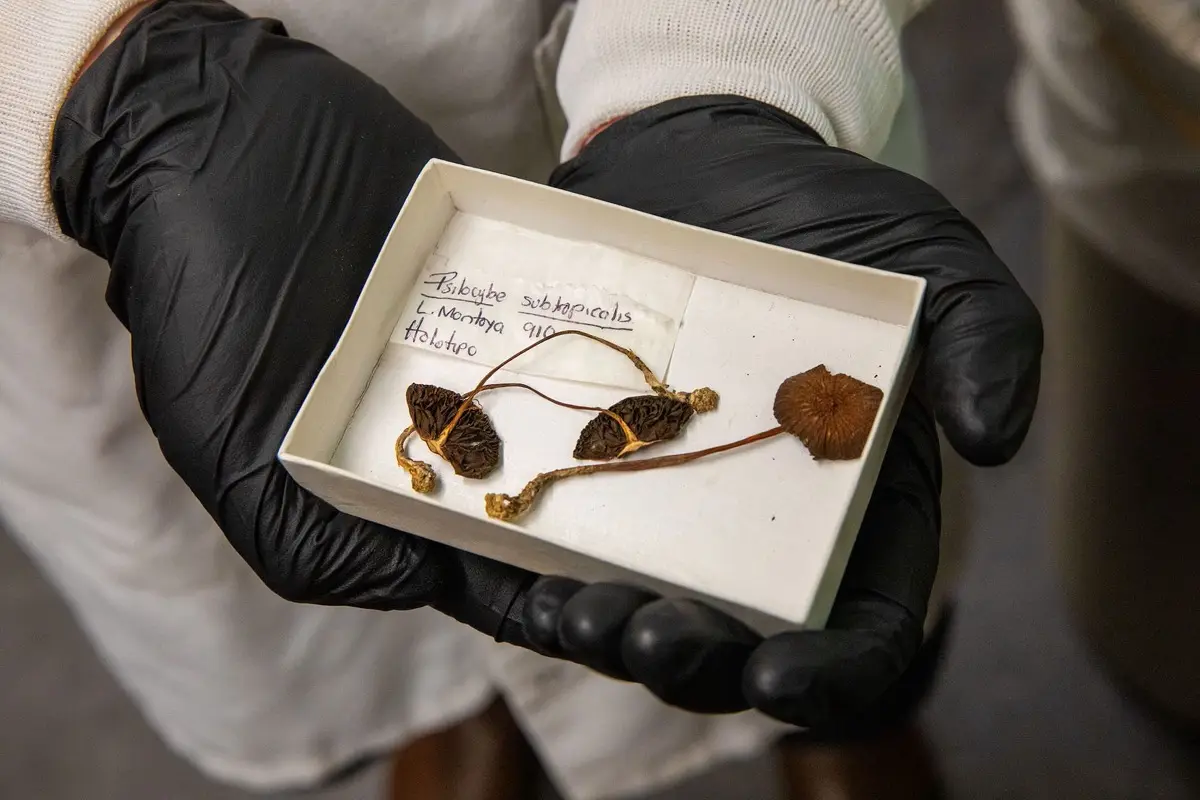





Psychedelic assisted therapy and legal psilocybin retreats both involve psilocybin in a supportive setting, yet they belong to different institutional worlds. Clinical trials test a regulated package: pharmaceutical grade psilocybin plus manualized psychotherapy before, during, and after dosing. Dutch truffle retreats operate under hospitality and food law toleration, with group ceremonies and variable facilitator training. Confusing the two models leads patients with mood or trauma histories toward settings that lack screening, adverse event reporting, and continuity with outpatient psychiatrists. This article maps structural differences in regulation, staffing, documentation, insurance, and follow up care. Readers comparing safety and eligibility should also consult our coverage of adverse events in trials, patient selection criteria, and why retreats are not psychotherapy.
Defining psychedelic assisted therapy in contemporary trials
In regulatory research, psychedelic assisted therapy denotes an integrated intervention, not a drug taken alone. Sponsors such as COMPASS Pathways and academic groups at Johns Hopkins and NYU administer synthetic psilocybin with known potency, often in capsule form, inside hospital or university session rooms. Trained therapist dyads deliver preparatory sessions that may total eight to twelve hours, supervise a dosing day lasting six to eight hours with prepared music and eyeshades, and conduct integration visits over subsequent weeks. Efficacy claims in submissions to the FDA or EMA apply to this entire package, as emphasized in Carhart-Harris et al., 2021 and companion methodological papers.
Institutional review boards approve protocols after reviewing risks to vulnerable participants. Investigators follow Good Clinical Practice standards: source document verification, blinded outcome assessment where feasible, and prespecified statistical analysis plans. Data safety monitoring boards review accumulating safety data. Participants must meet inclusion and exclusion criteria, often excluding psychosis history, unstable bipolar disorder, and significant cardiovascular disease, as detailed in our patient selection overview article.
Session monitors record blood pressure, document psychological distress, and follow escalation algorithms that may include low dose benzodiazepines in some protocols. Every untoward event enters case report forms and eventually safety tables in peer reviewed journals. That documentation infrastructure does not exist in retreat businesses selling weekend programs.
What legal Netherlands retreat models typically include
Psilocybin retreats in the Netherlands, often using legally sold magic truffles, market personal growth, spiritual exploration, or wellness rather than treatment of a diagnosed disorder. Programs usually combine group preparation circles, a facilitated ceremony day, shared meals, nature walks, and optional integration sharing. Facilitators describe their role as holding space rather than delivering diagnosis specific psychotherapy. Group sizes, dose protocols, music, and silence policies vary widely between organizations.
Guests frequently travel internationally and return home without a local therapist familiar with their session. Some operators offer email check ins or online integration calls, yet these are not equivalent to scheduled psychiatric follow up. Meaningful experiences and community bonding can occur, but outcomes are rarely published in registries with control arms or prespecified endpoints. Readers asking whether such programs count as therapy should consult our explainer on retreats versus psychotherapy, which covers professional licensing boundaries.
Retreat marketing sometimes borrows language from clinical trials without reproducing their safeguards. A peak experience during ceremony can feel therapeutic while lacking the accountability structures that define regulated medicine.
Regulatory and legal divergence
Clinical psilocybin remains an investigational medicine or, where approved in future, a labeled pharmaceutical with indication specific prescribing information. Dutch retreat truffles are sold as food or natural products under national toleration policy, not as medicines with summary of product characteristics reviewed by EMA. FDA Breakthrough Therapy designations, described in our FDA status overview, attach to sponsor development programs, not to retreat centers serving tourists.
European hospital pathways under EMA frameworks differ again from both trial sites and Dutch retreats. A guest at a truffle ceremony is not receiving EMA authorized psilocybin medicine even when the active compound is pharmacologically related. National drug laws in most countries outside the Netherlands still prohibit recreational or unsupervised psilocybin possession.
Regulatory clarity matters for informed consent. Trial participants sign documents enumerating unknown long term effects and their right to withdraw. Retreat waivers may emphasize personal responsibility and group norms with shorter risk disclosure. Neither document should be mistaken for the other.
Screening, credentialing, and professional accountability
Trial therapists undergo protocol specific training, including simulated sessions, adherence monitoring, and continuing education on trauma informed care. Credentialing varies by country but generally involves licensed psychologists, psychiatrists, or physicians subject to professional boards and malpractice insurance requirements. When a participant destabilizes after returning home, clinical teams can be reached through study coordinators who maintain contact information and referral pathways to local providers.
Retreat facilitators may combine personal psychedelic experience with coaching certifications, breathwork training, or informal mentorship. Medical staff presence ranges from on call nurses to none. Licensed clinicians and retreat facilitators face different legal duties regarding record keeping, confidentiality, and scope of practice. A facilitator without clinical licensure cannot legally provide psychotherapy for major depression in most jurisdictions, even if guests describe emotional breakthroughs during ceremony.
Professional societies publishing competency frameworks for psychedelic assisted therapy recommend minimum training hours, supervision, and ethics review. Retreat organizations vary in adherence. Consumers evaluating either model should ask directly about facilitator credentials, emergency medical plans, and post session referral networks before enrolling.
Preparation depth, expectancy, and informed consent
Trial preparation explores intention, fear, support systems, and medication interactions across multiple meetings. Consent forms list risks including psychological distress, blood pressure changes, and rare prolonged psychiatric symptoms. Blinding strategies, discussed in our article on placebo and expectancy, attempt to quantify suggestion effects that can mimic therapeutic benefit.
Retreat participants typically know they will receive a psychedelic, maximizing expectancy. Group enthusiasm, facilitator charisma, and travel novelty can amplify positive reports. That does not invalidate subjective meaning, yet it complicates comparisons with randomized trial outcomes. Preparation at retreats may be shorter, emphasizing group cohesion and ceremony etiquette rather than psychiatric history review.
Anyone with psilocybin contraindications or complex psychiatric history should prioritize medically supervised pathways when available rather than assuming retreat staff will conduct equivalent screening.
Adverse event reporting and documentation standards
Clinical trials classify adverse events using standardized dictionaries such as MedDRA so regulators can compare sponsors. Serious events trigger expedited reporting rules. Published trial papers include denominators: readers can calculate how many participants experienced transient anxiety or required pharmacological support during sessions. Our overview of adverse events in psilocybin trials explains how coding choices affect public perception of risk.
Retreat operators seldom publish systematic safety data. Internal incident logs, if they exist, rarely appear in peer reviewed form with numerators and denominators. Testimonials and selective surveys, critiqued in our piece on survey data after retreats, cannot substitute for controlled outcome measurement. Public health planning therefore relies primarily on clinical trial safety tables rather than retreat marketing materials.
Documentation gaps also affect guests personally. Without clinical records, a general practitioner may struggle to understand what occurred during a retreat when symptoms worsen weeks later. Trial participants retain study documents and coordinator contacts that facilitate handoff to outpatient care.
Integration, continuity of care, and relapse risk
Integration in clinical models uses structured psychotherapy to translate session content into behavioral change, with relapse monitoring for mood disorders. Trials increasingly coordinate with outpatient psychiatrists at enrollment, especially for treatment resistant depression or end of life anxiety contexts covered in end of life ethics.
Retreat integration may consist of a group sharing circle and emailed resources. For patients with chronic mental health conditions, discontinuity after a single intensive weekend can precipitate relapse or unresolved trauma activation. Matching model to clinical need becomes a judgment for qualified mental health providers, not a lifestyle branding decision.
Guests returning home from retreats must often re establish care with providers unfamiliar with psychedelic experiences. Trials specify follow up contacts at defined intervals; retreat models may end with a farewell circle and optional online call. The structural advantage of clinical pathways lies in planned continuity rather than episodic intensity alone.
Insurance, liability, and financial exposure
Clinical trials operate under institutional indemnification and sponsor insurance structures tied to IRB approved protocols. Participants generally do not pay out of pocket for investigational treatment in phase two and three studies, though time and travel costs remain. Retreat guests pay commercial fees and may purchase travel insurance that commonly excludes psychedelic activities or mental health emergencies abroad. Medical evacuation after a difficult session can become a personal financial burden when policies contain explicit exclusions for psychoactive substance use.
Retreat businesses typically operate as hospitality or wellness vendors with liability waivers distinct from medical malpractice coverage. Facilitators without clinical licenses may carry general business insurance that does not cover psychological injury claims. Understanding these differences helps travelers assess financial risk before booking international programs.
Evidence standards and choosing context based on goals
Regulatory decisions rely on randomized controlled trials with prespecified endpoints such as MADRS or HAM-D scores. Retreat operators sometimes cite internal satisfaction surveys without control groups. Without controls, improvement anecdotes cannot establish efficacy for diagnosed disorders.
Patients seeking treatment for major depression, PTSD, or eating disorders should pursue clinical pathways when available, not substitute retreats. Individuals exploring personal development in good physical and mental health, aware of legal limits, may weigh retreats differently yet still benefit from medical screening. Neither model guarantees mystical resolution or healing. Both require respect for set, setting, and substance.
Understanding structural differences empowers informed choices without conflating hospitality experiences with licensed psychedelic medicine programs described at the guided experience page on this site.
Summary
Psychedelic assisted therapy in trials is a regulated package of pharmaceutical psilocybin and manualized psychotherapy governed by IRBs, GCP, and systematic safety reporting. Legal Netherlands retreats offer group truffle ceremonies under different legal and professional frameworks, with variable screening and follow up. Credentialing, insurance coverage, documentation, and continuity of care diverge in ways that matter most when participants have chronic mood or trauma histories. Choosing context should reflect clinical goals and risk profile, not marketing language alone. Primary references include Carhart-Harris et al., 2021, FDA clinical trial guidance, and Johns Hopkins psychedelic research.
DESBLOQUEA LA MENTE. ELEVA EL SER.