



Les truffes magiques, également connues sous le nom de sclérotes de Psilocybe, sont des formations souterraines produites par certains champignons hallucinogènes. Contrairement aux champignons magiques traditionnels qui poussent au-dessus du sol, ces truffes sont des masses compactes de mycélium qui servent de réserves nutritives pour le champignon en cas de conditions environnementales défavorables. Elles contiennent des composés psychoactifs principaux comme la psilocybine et la psilocine, qui sont responsables des effets hallucinogènes recherchés par de nombreux utilisateurs. Ces substances sont des tryptamines structurellement similaires à la sérotonine, un neurotransmetteur clé dans le cerveau humain, ce qui explique leurs impacts sur la perception, l'humeur et la cognition.
Historiquement, les truffes magiques ont été utilisées dans diverses cultures autochtones pour des rituels spirituels et thérapeutiques. Par exemple, chez les peuples indigènes d'Amérique centrale, comme les Mazatèques au Mexique, les champignons psilocybes étaient considérés comme sacrés et appelés "teonanácatl" ou "chair des dieux". Les truffes, en tant que forme alternative, ont gagné en popularité en Europe, particulièrement aux Pays-Bas, où elles restent légales en raison d'une faille juridique qui exclut les sclérotes de l'interdiction des champignons magiques depuis 2008. En France, cependant, la situation est plus complexe : la psilocybine est classée comme stupéfiant, mais les truffes ne sont pas explicitement interdites si elles ne sont pas transformées ou consommées pour leurs effets psychoactifs. Il est essentiel de vérifier les réglementations locales, car des changements peuvent survenir, et l'usage récréatif reste controversé.
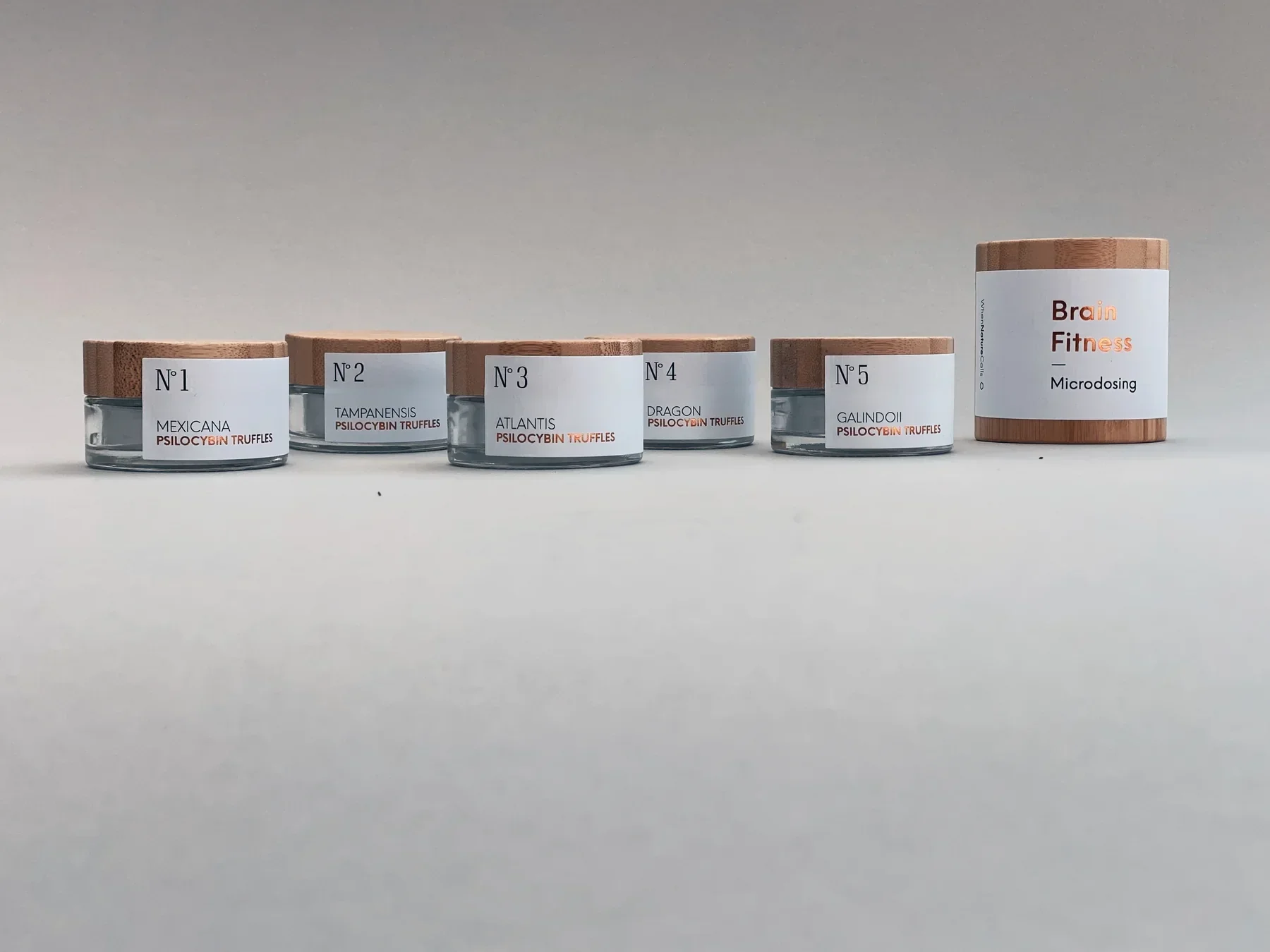
Du point de vue biologique, les truffes magiques proviennent principalement d'espèces comme Psilocybe tampanensis, Psilocybe mexicana ou Psilocybe atlantis. Elles se forment sous terre, ce qui les rend plus résistantes que les chapeaux de champignons, mais elles restent sensibles à l'humidité, à la lumière et à la température. La teneur en psilocybine varie selon l'espèce : par exemple, dans Psilocybe cubensis, elle peut atteindre 0,37 à 1,30% dans l'ensemble du champignon, avec des concentrations plus élevées dans le chapeau (0,44 à 1,35%) que dans le pied (0,05 à 1,27%). Dans les genres comme Copelandia, la psilocine domine, avec des niveaux de 0,43 à 0,76%.
Aujourd'hui, les truffes magiques sont explorées pour leurs potentiels thérapeutiques. Des études cliniques, notamment à l'Université Johns Hopkins et à l'Imperial College de Londres, montrent que la psilocybine aide à traiter la dépression résistante, l'anxiété liée au cancer et les troubles de stress post-traumatique. Par exemple, une méta-analyse publiée en 2022 dans JAMA Psychiatry indique une réduction significative des symptômes dépressifs après une seule dose, avec des effets durables jusqu'à six mois. En Europe, des essais cliniques sont en cours pour l'approbation de la psilocybine comme médicament, et des pays comme l'Oregon aux États-Unis ont légalisé son usage thérapeutique supervisé. Cependant, pour maximiser ces bénéfices, une conservation adéquate est cruciale, car la dégradation des composés actifs peut réduire l'efficacité.
 thingstodoinamsterdam.com
Ce guide exhaustif vise à transformer l'article original sur la conservation des truffes magiques en une ressource complète de 5000 mots. Nous explorerons non seulement les méthodes basiques comme la réfrigération et le séchage, mais aussi des approches avancées basées sur des recherches scientifiques, des conseils pour le microdosage, des idées de transformation, et des avertissements sur les risques. En intégrant plus de sources, y compris des études sur la stabilité de la psilocybine, nous fournirons une vue d'ensemble équilibrée pour aider les utilisateurs à préserver la fraîcheur, la puissance et la sécurité de leurs truffes.
thingstodoinamsterdam.com
Ce guide exhaustif vise à transformer l'article original sur la conservation des truffes magiques en une ressource complète de 5000 mots. Nous explorerons non seulement les méthodes basiques comme la réfrigération et le séchage, mais aussi des approches avancées basées sur des recherches scientifiques, des conseils pour le microdosage, des idées de transformation, et des avertissements sur les risques. En intégrant plus de sources, y compris des études sur la stabilité de la psilocybine, nous fournirons une vue d'ensemble équilibrée pour aider les utilisateurs à préserver la fraîcheur, la puissance et la sécurité de leurs truffes.
 alamyimages.fr
 truffle-and-truffe.com
thingstodoinamsterdam.com
Ce guide exhaustif vise à transformer l'article original sur la conservation des truffes magiques en une ressource complète de 5000 mots. Nous explorerons non seulement les méthodes basiques comme la réfrigération et le séchage, mais aussi des approches avancées basées sur des recherches scientifiques, des conseils pour le microdosage, des idées de transformation, et des avertissements sur les risques. En intégrant plus de sources, y compris des études sur la stabilité de la psilocybine, nous fournirons une vue d'ensemble équilibrée pour aider les utilisateurs à préserver la fraîcheur, la puissance et la sécurité de leurs truffes.
Pourquoi une Bonne Conservation est Essentielle
La conservation appropriée des truffes magiques n'est pas seulement une question de commodité ; elle est vitale pour la santé, l'efficacité et l'économie. Fraîches, les truffes contiennent environ 60% d'humidité, ce qui les rend vulnérables aux bactéries et aux moisissures. Sans mesures adéquates, elles peuvent pourrir en 24 heures, transformant une substance précieuse en un mélange visqueux et potentiellement toxique. Selon des forums comme Psychoactif, un stockage inadapté peut mener à des infections bactériennes, rendant les truffes non seulement inefficaces mais dangereuses. Du point de vue scientifique, la psilocybine est instable. Une étude publiée dans Drug Testing and Analysis en 2021 sur la stabilité de la psilocybine dans la biomasse de Psilocybe cubensis révèle que les conditions de stockage influencent grandement la dégradation. Par exemple, les champignons frais stockés à -80°C perdent jusqu'à 94% de leurs tryptamines, tandis que le séchage à température ambiante dans l'obscurité préserve les niveaux totaux (environ 0,87% en poids). La lumière accélère la dégradation, réduisant la psilocine de 46% en deux mois à 20°C. La chaleur et l'oxygène favorisent l'oxydation, transformant la psilocybine en psilocine puis en composés inactifs comme la quinone bleue. En préservant la puissance, une bonne conservation permet un dosage précis, crucial pour les usages thérapeutiques. Pour le microdosage – ingérer de petites doses (0,5-2 g de truffes fraîches) pour booster la créativité ou réduire l'anxiété – une dégradation peut altérer les effets. Économiquement, éviter le gaspillage est clé : un paquet de 15 g coûte environ 15-25 €, et une mauvaise conservation peut ruiner des mois de stock. Enfin, la sécurité : des truffes moisies peuvent causer des nausées, des vomissements ou des infections. Des conseils de sites comme Wholecelium soulignent l'importance de vérifier l'humidité et la température pour prévenir cela. En résumé, une conservation optimale protège la santé, maintient l'efficacité et optimise l'expérience.Préparation et Nettoyage Avant Conservation
Avant toute conservation, une préparation minutieuse est indispensable pour minimiser les risques de contamination. Les truffes fraîches, souvent couvertes de terre ou de résidus mycéliens, doivent être nettoyées délicatement pour éviter d'endommager leur structure poreuse. Commencez par brosser doucement les truffes avec une brosse douce ou un essuie-tout sec pour enlever la saleté visible. Évitez l'eau courante, car l'humidité excessive favorise la moisissure. Si des taches persistent, utilisez un chiffon légèrement humide, puis séchez immédiatement à l'air libre. Pour les truffes issues de cultures maison, laissez-les reposer à température ambiante quelques heures pour évacuer l'humidité condensée, surtout si elles étaient sous vide. Selon les experts, les truffes commerciales n'ont pas besoin de nettoyage supplémentaire, car elles sont inspectées avant emballage. Pour une préparation avancée, étiquetez les emballages avec la date, la variété (ex. : Valhalla, Atlantis) et l'état (frais ou séché). Utilisez des étiquettes adhésives pour un suivi précis. En cas de séchage, un pré-séchage est recommandé : disposez les truffes sur une grille dans un endroit sombre et ventilé pendant 24-48 heures pour réduire l'humidité initiale. Cela prévient la condensation lors du stockage final. Des études montrent que le séchage initial sans lumière préserve mieux les alcaloïdes. Conseils supplémentaires : Travaillez dans un environnement propre pour éviter les contaminants. Si vous suspectez une contamination, jetez les truffes affectées. Cette étape, bien que simple, peut prolonger la durée de vie de 50%.
alamyimages.fr
Méthodes de Conservation à Court Terme
Pour une utilisation dans les semaines suivantes, les méthodes à court terme priorisent la fraîcheur. La réfrigération est la plus courante : stockez les truffes sous vide à 4-8°C, où elles peuvent durer jusqu'à deux mois non ouvertes. Une fois ouvertes, consommez-les dans 48 heures pour éviter l'oxydation. Alternative : le sac en papier. Enroulez les truffes dans du papier absorbant et placez-les dans un sac en papier brun, qui permet la respiration tout en absorbant l'humidité. Conservez au frigo ou dans un placard frais (10-15°C) pour 7 jours max. Vérifiez quotidiennement pour des signes de ramollissement. Cette méthode est idéale pour les petites quantités et éco-friendly. Pour plus de précision, utilisez un hygromètre pour maintenir l'humidité relative à 40-50%. Des sources comme GB The Green Brand suggèrent d'ajouter du gel de silice dans l'emballage pour absorber l'excès d'eau. Idées innovantes : Infusez des œufs ou du riz avec les truffes au frigo pour aromatiser sans consommer directement, mais cela réduit la durée à 3-4 jours. Toujours prioriser la stabilité thermique : évitez les portes du frigo où la température fluctue. En combinant ces méthodes, vous pouvez adapter à vos besoins, en gardant à l'esprit que la fraîcheur optimale est pour une consommation rapide.
truffle-and-truffe.com
Combien de Temps les Truffes Restent Fraîches et la Meilleure Façon de les Conserver - Truffle and Truffe
Méthodes de Conservation à Long Terme
Pour stocker sur des mois ou années, le séchage et la congélation sont essentiels. Le séchage réduit l'humidité à moins de 5%, prolongeant la durée à 2-3 ans si stocké au frais et à l'obscurité. Méthodes de séchage :- À l'air libre : Disposez les truffes en fines tranches sur une grille dans un endroit sombre et ventilé (20-25°C) pendant 3-5 jours. Tournez-les régulièrement. Une fois cassantes, stockez dans un bocal hermétique avec des absorbeurs d'oxygène.
- Avec déshydrateur : À basse température (≤35°C) pour 6-24 heures. Cela préserve mieux les alcaloïdes que la lyophilisation, qui cause une perte de 88% de psilocybine.
- Au four : À 40°C avec porte entrouverte, mais surveillez pour éviter la surchauffe.
Signes de Détérioration et Prévention
Reconnaître les truffes périmées est crucial. Signes : odeur aigre (au lieu de terreuse), texture visqueuse, couleur bleu-vert (moisissure), ou ramollissement excessif. Si présentes, jetez immédiatement pour éviter les intoxications. Prévention : Contrôlez régulièrement, utilisez des contenants transparents pour inspection visuelle. Selon Microdose Bros, un stockage au frigo prolonge la fraîcheur, mais évitez la congélation des fraîches.Idées Avancées : Transformations et Usages
Une fois conservées, transformez-les. Pour le microdosage : Broyez des truffes séchées en poudre (0,1-0,3 g par dose) et encapsulez pour une prise régulière. Des protocoles comme celui de Fadiman (un jour sur trois) aident à la créativité.- Teintures : Macérez dans de l'alcool à 40% pendant 2 semaines pour extraire les alcaloïdes. Stockez au frais pour 1 an.
- Miel bleu : Infusez des truffes broyées dans du miel pour un édulcorant psychoactif, conservable 6 mois au frigo.
- Gélules : Remplissez des capsules vides avec de la poudre pour un dosage précis.