Depression affects millions of people around the world and represents one of the most significant challenges in mental health today. Despite advances in conventional treatments, many individuals do not find lasting relief with traditional antidepressants or standard therapies. It is in this context that psilocybin, the active compound found in magic mushrooms and magic truffles, is attracting growing interest from researchers and clinicians. On retraite-eveil.com, we explore these approaches through an educational and respectful lens, grounded in solid scientific data and authentic human experiences. This article examines how psilocybin can help combat depression, drawing on recent clinical studies and concrete testimonials, while highlighting the importance of professional and secure support.
Psilocybin is not a miracle cure, but a promising therapeutic tool when used in a controlled setting with appropriate psychological guidance. It acts quickly, often within one or two sessions, and its effects can last for several months or even more than a year in some people. Understanding its mechanism of action, the results from research, and real-life experiences allows us to approach the topic with clarity and calm.
What is psilocybin and how does it act on the depressed brain?
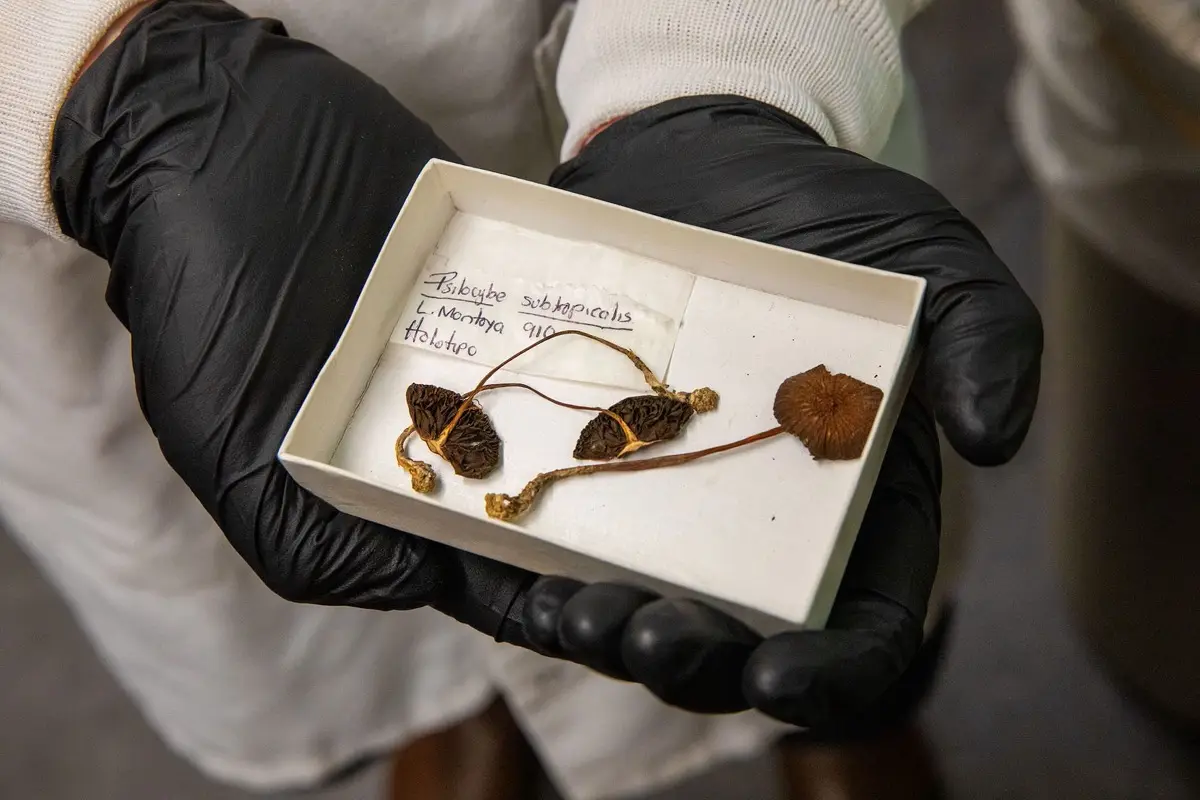
Psilocybin is a natural alkaloid present in certain species of
mushrooms and truffles. Once ingested, it converts to psilocin, which primarily binds to serotonin 5-HT2A receptors in the brain. This interaction temporarily alters communication between different brain regions, especially the default mode network, which is responsible for the repetitive negative thoughts and rumination typical of depression.
Unlike classical antidepressants that continuously modify brain chemistry, psilocybin promotes increased neuroplasticity. It helps the brain form new connections and break free from rigid patterns. Brain imaging studies show enhanced connectivity between areas that usually communicate very little, which can lead to a fresh perspective on oneself and one’s difficulties. This “reset” of the brain explains why many participants report rapid and profound relief.
The main scientific studies on psilocybin and depression
Research on psilocybin for depression has seen remarkable growth in recent years. In 2020, a study conducted by
Johns Hopkins University demonstrated that two doses of psilocybin, combined with psychotherapy support, produced a significant reduction in symptoms of major depression in adults. Among 24 participants, 67 percent showed a decrease of more than 50 percent in symptoms one week after treatment, and 71 percent at four weeks. These effects persisted for the majority of people up to one year later.
Another pivotal study, carried out by
Imperial College London in 2021, compared psilocybin to a classical antidepressant, escitalopram, in 59 people suffering from moderate to severe depression. The results showed that psilocybin was at least as effective as the medication, with notable improvements in mood, anxiety, and quality of life.
More recently, a qualitative analysis published in
Nature in 2024 explored the experiences of patients with treatment-resistant depression after a psilocybin session. The researchers identified three major themes: building trust, navigating the experience, and the need for more complete follow-up. Participants emphasized the importance of tailored support to maximize benefits and sustainably integrate the insights gained.
Other ongoing or recently published clinical trials, such as those from COMPASS Pathways or the University of Colorado, confirm these trends. A 2025 study on clinicians experiencing burnout during the pandemic also showed a significant reduction in depressive symptoms after a single dose of psilocybin. These works highlight that the effects are not limited to the acute phase but form part of a profound process of change.
Real testimonials: what people say about their experience
The numbers from studies are important, but human testimonials give full depth to these results. Ian, a participant in a trial at Imperial College, had suffered from depression throughout his adult life. After his psilocybin session, he stated: “It was the deepest peace I had felt in years. Psilocybin allowed me to step back from my
depression and move away from my deeply rooted thought patterns.” He compared the experience to a liberation from the very roots of his suffering, far beyond simple symptom management.
A participant in the Nature study described how psilocybin helped her reconnect with positive emotions that had been buried for a long time: “I was finally able to see my life with compassion rather than constant judgment. The depression did not disappear overnight, but it lost its total grip.” Other testimonials mention increased self-empathy, better acceptance, and improved interpersonal relationships.
These accounts are not isolated. In a long-term follow-up study from Johns Hopkins, more than 75 percent of participants maintained a positive response one year after treatment, and 58 percent achieved full remission. Qualitative interviews often reveal lasting changes in the way people view life, with greater openness, reduced rumination, and a renewed sense of meaning and hope.
Why does psilocybin seem so effective against treatment-resistant depression?
Treatment-resistant depression affects approximately 30 percent of patients who do not respond to classical antidepressants. Psilocybin offers a different path by acting on multiple levels at once: biological, psychological, and existential. On the biological level, it stimulates the growth of new dendrites in the prefrontal cortex, an area often atrophied in chronic depression. Psychologically, the experience promotes a temporary dissolution of the ego, allowing individuals to step back from limiting beliefs. On the existential level, many report an increased sense of connection and meaning, which helps overcome the isolation typical of depression.
It is essential to note that these benefits occur only within a secure therapeutic framework, with careful preparation, a guided session, and integration follow-up. Psilocybin is not a substance to take alone; it requires a trusting environment and qualified support.
Practical advice and important considerations
If you are considering an approach involving psilocybin, always begin by consulting a healthcare professional. Clinical trials require rigorous screening to rule out contraindications, such as certain psychiatric disorders or heart conditions. Mental preparation, the choice of an appropriate setting, and post-session integration work are just as crucial as the substance itself.
After the experience, practices such as meditation, journaling, or somatic therapy sessions help anchor the insights and maintain the gains. Many participants then adopt daily habits that support their long-term emotional well-being.
Future perspectives and messages of hope
Research on psilocybin continues to advance, with phase 3 trials underway and discussions about possible regulatory approval in the coming years. For people living with persistent depression, these developments represent genuine hope: that of a rapid, profound, and potentially lasting treatment.
The studies and testimonials converge on the same conclusion: psilocybin, used with respect and in a professional context, can open a door to healing where other approaches have failed. It does not replace personal work, but it can facilitate it in a remarkable way.
By exploring these possibilities with openness and information, we honor both science and human experience. Depression is not a fate; new pathways exist to rediscover light.
UNLOCK THE MIND. ELEVATE THE SELF.