MICRO DOSING
UNLOCK THE MIND. ELEVATE THE SELF.
What Is Microdosing?
Within the community of psychedelic mushroom users, two distinct approaches have emerged. Some individuals pursue deep, immersive experiences through full psychedelic journeys. Others prefer a gradual, structured method, microdosing, where very small amounts of psilocybin are taken to explore potential benefits without entering an altered state.
Growing scientific literature suggests that low doses of psilocybin may support cognitive performance, emotional balance, and overall mental well-being. Many people report feeling clearer, more focused, or less anxious. Yet, it’s natural to feel cautious when considering any substance associated with intense psychedelic effects, especially if the experience is unfamiliar.
Classic vs. Heroic Doses
Traditional psilocybin ceremonies involve considerably larger amounts of mushrooms or truffles. These doses strongly engage serotonin and dopamine receptors, producing vivid sensory shifts, emotional breakthroughs, and an expanded state of consciousness. Typically ranging from 2-6 grams of dried mushrooms or 15-40 grams of fresh truffles, these journeys can be deeply transformative, powerful, beautiful, and sometimes demanding.
Because of their intensity, such “heroic doses” are generally reserved for people who feel ready for a full psychedelic experience and who often choose to participate in a carefully guided, legally supervised setting such as a retreat in the Netherlands.
A Day-to-Day Approach
Microdosing takes the opposite direction. Instead of seeking a dramatic shift, the intention is to introduce very small, sub-perceptible amounts of psilocybin into one’s routine. These doses do not produce hallucinations, altered visuals, or a psychedelic “trip.” Most people feel entirely functional, going to work, parenting, exercising, or studying without disruption.
A microdosing protocol involves repeated, low-level stimulation of the same psychoactive pathways that larger doses activate. Over time, many users report subtle but meaningful changes: enhanced creativity, improved mood, better stress regulation, or simply a greater sense of mental clarity. As a result, microdosing is increasingly explored as a gentle complementary tool for emotional and cognitive support.
The Effects of Psilocybin Microdosing
People who explore microdosing are typically not dealing with severe, treatment-resistant depression, the kind often addressed in high-dose psychedelic therapy. Instead, most come from more common backgrounds: persistent anxiety, recurrent low mood, or a sense of mental fatigue that makes daily life feel heavier than it should.
Across these groups, two primary motivations consistently emerge:
- Emotional balance: a desire to soften negative thought patterns, reduce anxiety, and cultivate a calmer internal state.
- Cognitive enhancement: an interest in improving creativity, focus, or problem-solving ability without entering a psychedelic state.
How Microdosing Is Practiced
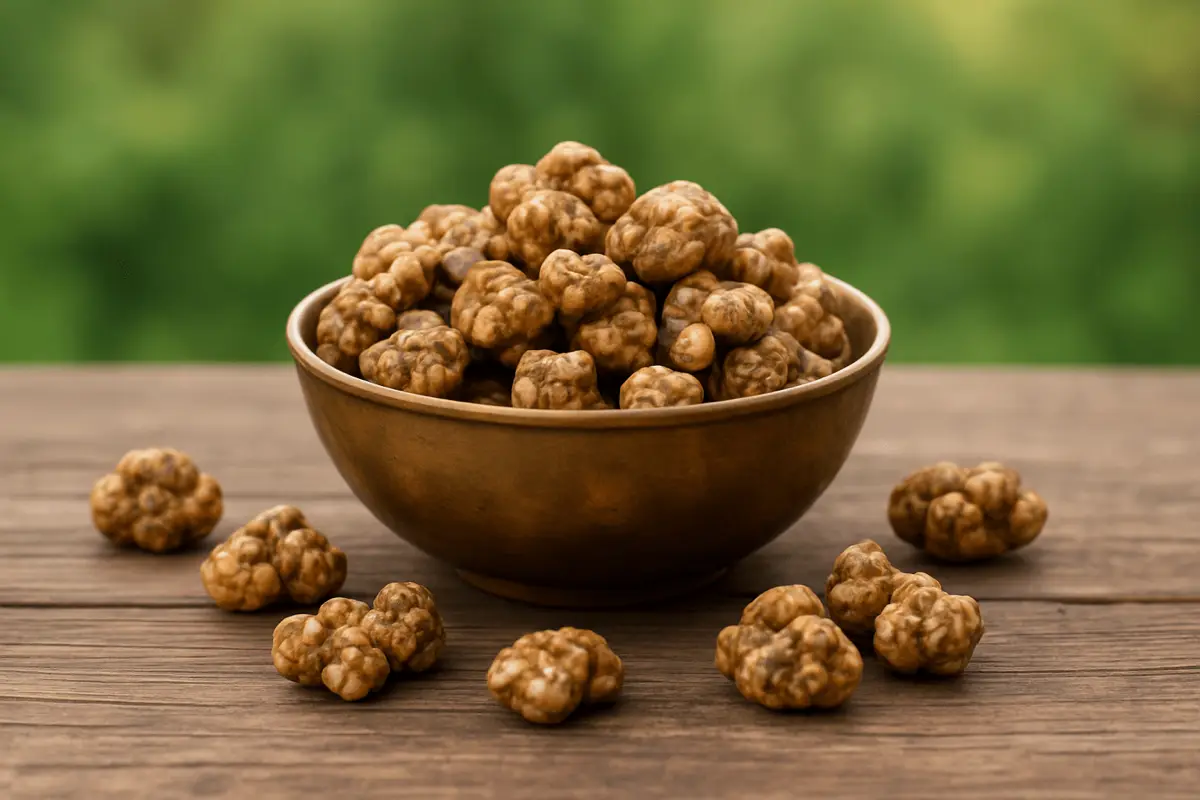
Microdosing is generally done using one of two formats: dried psilocybin capsules or fresh truffle pieces measured by hand. The amount used is extremely small, typically 2% to 10% of a full psychedelic dose.
Approximate Microdosing Ranges
| Desired Dose | Fresh Truffles | Dried Truffles |
| Light dose | 0.25–1 g | 0.1–0.3 g |
| Higher dose | 1–2 g | 0.3–0.6 g |
Using Dried Truffles
Capsules made from dried truffles offer convenience: they last longer, are easy to store, and require no preparation.
However, the potency can vary significantly depending on age, drying method, and storage conditions. As a result, the actual psilocybin content may be inconsistent, making precise dosing more difficult.
This option tends to suit people who prioritize simplicity and long-term storage over maximum accuracy.
Using Fresh Truffles
Fresh truffles provide more reliable potency and make it easier to measure an exact dose. For this reason, they are preferred by people seeking consistent, predictable effects.
The trade-off is that fresh truffles require cutting, weighing, and regular replenishing. These are also the products most commonly shipped by online suppliers.
How to Microdose Effectively
Successful microdosing relies on careful self-observation. If you notice nausea, tiredness, or a drop in mood, this may indicate that the intervals between doses are too short. A microdosing routine should never produce strong discomfort, instability, or self-harm-related thoughts.
Three well-known protocols are commonly used:
one popularized by James Fadiman, another by Paul Stamets, and a third minimalist approach designed to reduce side effects. All emphasize the importance of rest days.
Rest periods serve two purposes:
- They prevent gradual fatigue from accumulating.
- They help avoid tolerance, ensuring the effects remain noticeable at low doses.
Comparison of Microdosing Protocols
| Day | Fadiman | Paul Stamets Stack | Weekly Procedure |
| 1 | Microdose | Microdose | Microdose |
| 2 | Integration / subtle after-effects | Microdose | Rest |
| 3 | Rest | Microdose | Rest |
| 4 | Microdose | Microdose | Rest |
| 5 | Integration / subtle after-effects | Rest | Rest |
| 6 | Rest | Rest | Rest |
| 7 | Rest | Rest | Rest |
Typical Duration:
- Fadiman: 4–6 weeks
- Stamets: 4 weeks on, 2 weeks off
- Weekly approach: 7 consecutive weeks, followed by 1 week off
Microdosing and Psychotherapy
Microdosing has gained visibility in recent years, partly thanks to the work of American psychologist James Fadiman, one of the leading figures in contemporary psychedelic research. In The Psychedelic Explorer’s Guide, he proposes a framework for understanding how psychedelic substances influence consciousness depending on the dose.
According to his model, high doses tend to evoke profound existential or spiritual insights; moderate doses promote introspection and emotional processing; and very small doses can sharpen creativity and support problem-solving abilities.
The Stamets Stack
Many people were introduced to the field of mycology through Paul Stamets, whose work was popularized in the documentary Fantastic Fungi. More recently, he has put forward a specific microdosing method known as the Stamets Stack, which combines three substances believed to work synergistically.
Psilocybin, Lion’s Mane, and Niacin
- Psilocybin forms the core of the stack and is explored for its potential effects on mood, emotional flexibility, and neuroplasticity.
- Lion’s Mane (Hericium erinaceus) is a non-psychoactive medicinal mushroom. It is legally available as a supplement and has been studied for possible neuroprotective and neuroregenerative properties.
- Niacin (vitamin B3) is included for its role in promoting peripheral circulation, which may help distribute the other compounds more efficiently throughout the nervous system.
Potential Benefits
Stamets suggests that this combination may support overall cognitive resilience. Reported effects include reductions in anxiety and low mood, improved emotional processing, and enhanced recovery following psychological stress. However, it is important to note that while anecdotal experiences are widespread, controlled clinical evidence on this specific protocol remains limited.
Suggested Rhythm
The dosing pattern recommended by Stamets differs from more traditional microdosing approaches. His protocol involves taking the stack daily for four consecutive days, followed by three days of rest, in repeating cycles.
As with any practice involving psychoactive substances, the Stamets Stack should be avoided by individuals with known contraindications to psilocybin or who may be at risk of adverse reactions.
Psychedelic Mushrooms and Depression
Growing scientific interest over the past decade has positioned psilocybin-containing mushrooms as a potential alternative pathway for managing depressive symptoms. Early clinical research, combined with patient testimonials, suggests that these compounds may influence mood and psychological flexibility in meaningful ways.
High-Dose Studies: Early Findings
Clinical trials using moderate to high doses of psilocybin have shown promising results. Participants often report enduring improvements in mood, motivation, and overall psychological resilience.
The mechanism most frequently proposed involves psilocybin’s strong interaction with the serotonin 5-HT2A receptor, a key pathway for emotional regulation. While the effect superficially resembles that of antidepressants, the therapeutic experience is fundamentally different: psilocybin appears to induce a temporary but profound shift in perception that may help disrupt rigid depressive thought patterns.
In contrast, individuals who microdose, using far smaller, sub-perceptual amounts, commonly describe subtler benefits such as reduced anxiety, greater clarity of thought, and improved focus.
Microdosing Research: Emerging but Inconclusive
Microdosing with psilocybin or truffles is now a major topic of interest in psychiatric and neuroscientific research. Participants in observational studies frequently report better emotional stability and fewer symptoms of anxiety or low mood.
However, most of this evidence comes from self-reported experiences, without the rigorous controls required to draw firm scientific conclusions. Because participants often hold positive expectations about psychedelics, distinguishing genuine efficacy from expectancy effects remains a methodological challenge.
Placebo Effect or Promising Therapeutic Avenue?
The current scientific picture is mixed. A notable randomized study published in Nature examined 34 participants, comparing microdoses of psilocybin with a placebo. While small changes in brain activity were detected, the researchers did not find clear therapeutic effects at microdose levels. They suggested that clinically relevant outcomes may require higher, supervised doses, and that many reported benefits at minimal doses may be driven by placebo response.
This does not invalidate microdosing as an area of exploration, but it underscores the need for larger, controlled, long-term studies before definitive claims can be made about its impact on depression, anxiety, or cognitive performance.
A Tool for Creativity?
Outside clinical contexts, microdosing has gained a reputation as a creativity enhancer, particularly in high-pressure innovation environments. In Silicon Valley, some entrepreneurs and engineers use small doses of LSD or psilocybin with the hope of improving concentration, lateral thinking, or resilience to stress.
Even historical anecdotes fuel this perception. In his biography, Steve Jobs recounts that LSD expanded his creative thinking and played a role in shaping the ideas that led to products like the Macintosh and the iPod. While compelling, such personal stories do not replace scientific validation, but they do illustrate why microdosing continues to attract curiosity.
Potential Risks and Safety Considerations
Microdosing psilocybin is generally regarded as low-risk. To date, scientific literature has not identified cases of dependence, addiction, or cognitive decline associated with small doses. Unlike substances such as cannabis or benzodiazepines, psilocybin does not appear to impair memory.
That said, “low risk” does not mean “risk-free.” Anyone considering the use of psychoactive substances, even at sub-perceptual levels, should understand the medical and psychological implications beforehand.
Because microdoses contain only a fraction of a standard dose, the likelihood of overdose is virtually nonexistent. However, some individuals may experience mild discomfort at the beginning of a protocol, including headaches, nausea, irritability, or a temporary rise in anxiety. If any symptoms feel destabilizing, the microdosing routine should be discontinued immediately.
Contraindications: Antidepressants and Psychotic Disorders
There are strict medical contraindications to be aware of.
Psilocybin should not be combined with:
- SSRIs (e.g., Prozac)
- MAOIs
- Other medications that affect serotonin regulation
Mixing these substances can lead to unpleasant or potentially hazardous interactions. Anyone considering microdosing while on medication must do so only under the guidance of a physician or psychiatrist, especially if a tapering process is required.
Psilocybin, in any dosage, is also not suitable for people with:
- A history of psychosis
- Bipolar disorder with psychotic features
- Heart failure or serious cardiovascular conditions
- Current treatment with antipsychotics
These contraindications apply equally to psilocybin microdosing, macrodosing, and the Stamets Stack.
Practical Information Before Beginning
For many individuals, microdosing yields the best results when integrated into a structured personal development or therapeutic process. Psilocybin appears to temporarily increase neuroplasticity, potentially making emotional work, habit change, or psychotherapy more effective.
One challenge, however, is variability. The potency of mushrooms can differ widely depending on cultivation conditions and sourcing. Without standardized regulation, microdosing with psilocybin mushrooms tends to be less precise than structured truffle ceremonies, but it remains more accessible and cost-effective.
Guidelines for Safe Microdosing
A few basic principles help reduce risk and improve consistency:
- Do not begin on a workday or on any day requiring driving, heavy responsibilities, or focused performance.
- Follow a clear, regular schedule, stability is essential for evaluating effects.
- Keep a microdosing journal to track doses, sensations, benefits, or difficulties.
- Listen to your body and mind, any shift, positive or negative, is valuable feedback for adjusting dosage or frequency.
The objective of microdosing is subtle enhancement, not perceptible alteration. Any noticeable intoxication suggests the dose is too high.
LSD Microdosing: A More Complex Alternative
Some individuals turn to LSD for microdosing instead of psilocybin. While the effects may be similar, LSD presents additional risks. It is often distributed in liquid or blotter form, produced through unregulated channels. Without a trusted and consistent source, it is extremely difficult to know the exact dose being consumed.
For this reason, LSD microdosing requires an even higher level of caution and a clear understanding of sourcing, and for many, psilocybin remains a safer and more predictable option.
Frequently Asked Questions About Microdosing Truffles
How can I purchase magic truffles or psilocybin-containing products?
Magic truffles can be legally purchased only in countries where their sale is regulated, such as the Netherlands. In other regions, psilocybin remains a controlled substance and cannot be ordered legally. Always verify the laws in your jurisdiction before considering a purchase.
Is microdosing a safe approach for managing symptoms of depression?
For many people, microdosing is well tolerated and considered low-risk. However, it is not a substitute for medical care. Individuals with psychiatric conditions or those taking antidepressants should consult a healthcare professional before starting any protocol.
Does microdosing actually help with depression?
Some users report improved mood, reduced anxiety, and greater emotional stability. Scientific findings are mixed: while anecdotal evidence is promising, controlled studies are still limited. More research is needed before microdosing can be considered a validated treatment.
How do I begin a microdosing routine for mood support?
Starting typically involves choosing a reputable source, determining a low and consistent dose, and following a structured schedule such as the Fadiman or Stamets protocol. Keeping a journal to track sensations, progress, and side effects is strongly recommended.
Is microdosing for depression legal?
Legality depends entirely on your country of residence.
- In places like the Netherlands, possession and use of magic truffles is permitted.
- In most other countries, psilocybin is illegal regardless of dose or purpose.
Always check local regulations before engaging in any microdosing practice.
How long does it take to notice effects on mood or motivation?
Many people report subtle changes within a few days or weeks, but responses vary widely. Microdosing is designed to produce gradual, cumulative effects rather than immediate or dramatic shifts.
Can a microdose trigger a bad trip?
A true psychedelic “trip” is unlikely at microdose levels. However, some individuals may experience temporary discomfort such as mild anxiety, irritability, or emotional sensitivity. If this occurs, reducing the dose or discontinuing the protocol is advisable.
This website does not offer medical advice
Retraite Eveil does not provide psychedelic therapy or mental health treatment. Please speak with a medical professional for personalised advice.
Psilocybin is a regulated substance
Check the regulations in your country. Psilocybin is not a medicine. A health questionnaire and review of contraindications are required. We use only psilocybin truffles, the sole form legal in the Netherlands.
USEFUL LINKS
Copyright © 2026. All Rights Reserved. Retraite Eveil.