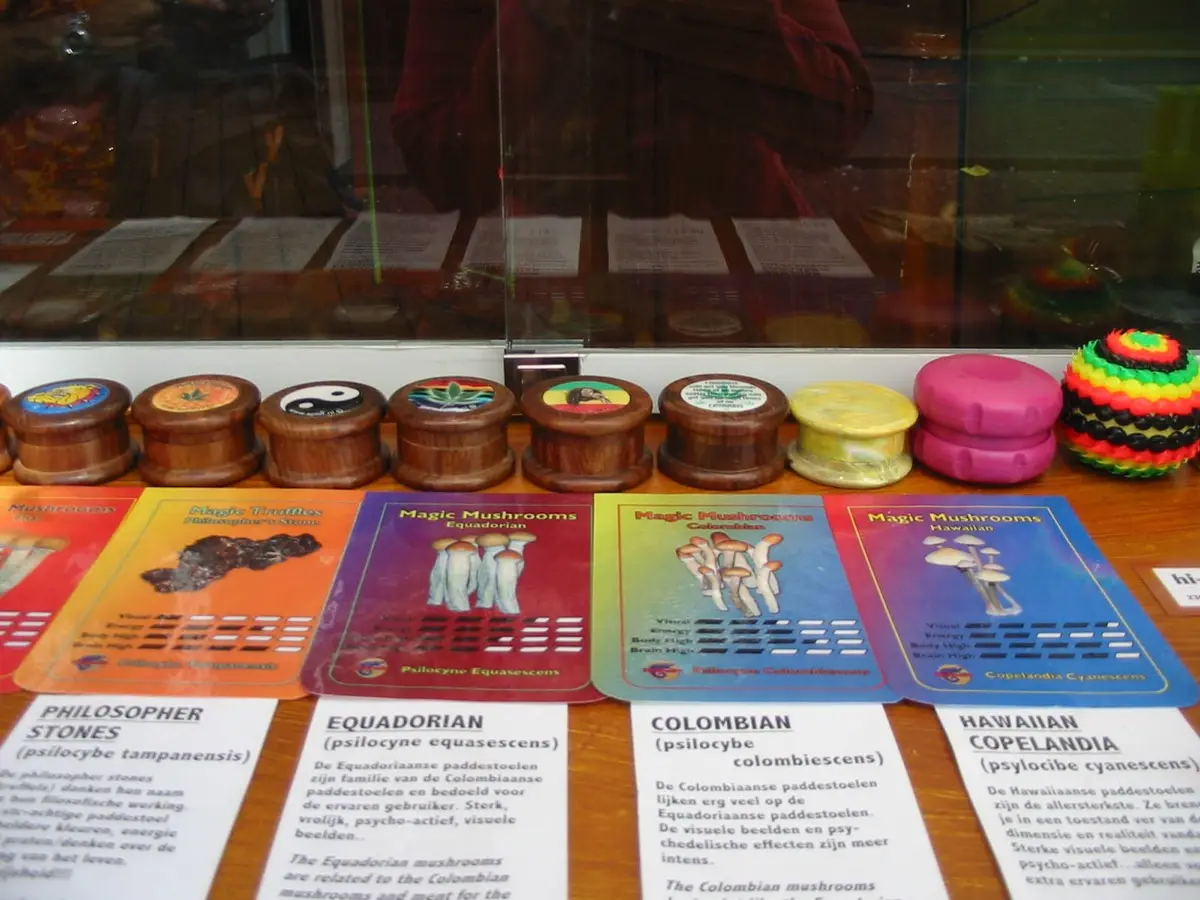
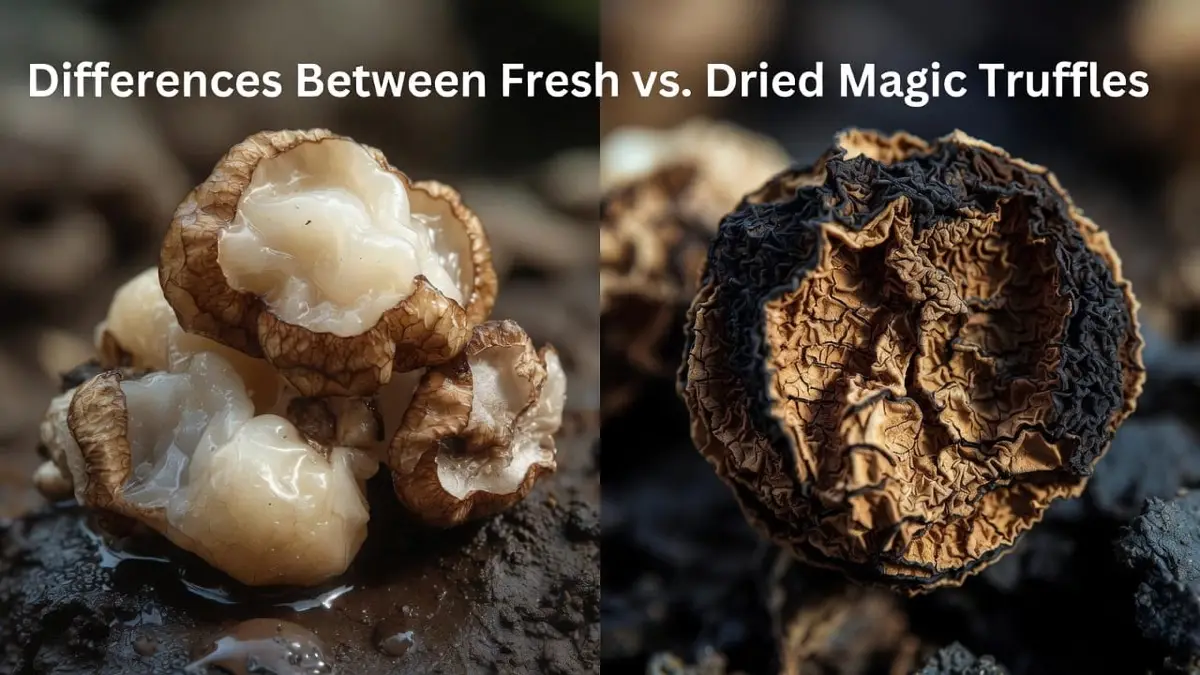
Psilocybin, the active compound in magic truffles (sclerotia of certain psilocybin-containing fungi), can produce a range of psychological effects depending on the dose. Determining an appropriate dosage is highly individual and influenced by factors such as body weight, personal sensitivity, prior experience, mental state, environment (set and setting), and the potency of the specific batch of truffles.
Important Considerations for Harm Reduction Individual responses to psilocybin vary significantly. Potency can differ between batches due to growing conditions and strain variations. Always start with a lower dose to assess sensitivity, especially if inexperienced. Psilocybin experiences should occur in a safe, supportive environment, ideally with a sober, trusted companion or professional facilitator present for moderate to high doses. Preparation, intention-setting, and post-experience integration are essential for minimizing risks and maximizing potential benefits. Psilocybin is not recommended for individuals with certain mental health conditions, family history of psychosis, or during pregnancy.
Measuring and Understanding Dosage
Dosages are typically measured by the fresh weight of magic truffles, as they are commonly consumed fresh (with approximately 65–70% water content). A precise digital scale is recommended for accuracy.
Pure psilocybin content is rarely measured outside laboratory settings, but estimates suggest fresh truffles contain roughly 0.5–1.5 mg of psilocybin per gram. Effects are not solely determined by weight, as metabolism, mindset, and external factors play significant roles. The same individual may experience markedly different effects from identical doses on different occasions.
For context, fresh magic truffles are generally less potent by weight than dried psilocybin mushrooms. Approximately 10–15 grams of fresh truffles is roughly equivalent in potency to 1–2 grams of dried mushrooms, though this is an estimate and varies.
Dosage Categories
Psilocybin experiences are often categorized into levels based on intensity:
Microdosing
A sub-perceptual dose intended for subtle enhancements in mood, focus, or creativity without noticeable psychedelic effects.
Typical range: 0.5–1.5 grams of fresh truffles.
This approach can often be integrated into daily activities without impairment.
Common protocols include:
Fadiman Protocol: One microdose every third day (e.g., dose on day 1, observe effects on day 2, rest on day 3), typically for 4–8 weeks followed by a 2–4 week break.
Stamets Protocol: Microdose for 4–5 days followed by 2–3 days off, sometimes combined with Lion's Mane mushroom and niacin for potential cognitive support (consult a professional before stacking).
No supervision is typically required, but self-monitoring for tolerance or unintended effects is advised.
Low to Moderate Dose
Produces noticeable but manageable psychedelic effects, such as enhanced sensory perception, emotional openness, mild visuals, and introspection.
Typical range: 5–15 grams of fresh truffles (lower end for beginners).
Suitable for reflective experiences in a controlled setting.
Preparation and a supportive environment are recommended; a trusted sitter can help manage any challenging moments.
High Dose (Sometimes Referred to as "Strong" or "Heroic")
Intense psychedelic effects, potentially including profound alterations in perception, deep introspection, ego dissolution, or mystical-type experiences.
Typical range: 20–35 grams or more of fresh truffles (equivalent to approximately 3.5–5+ grams dried mushrooms).
Reserved for experienced individuals with thorough preparation, clear intention, and professional supervision.
These doses carry higher potential for challenging experiences and should only be undertaken in secure, facilitated settings. Doses exceeding this range rarely yield additional insights and increase discomfort without proportional benefit.
Dosage Guidelines for Fresh Magic Truffles
Psilocybin-containing magic truffles (sclerotia) offer a spectrum of psychological effects based on dosage. The following provides approximate guidance on expected effects across different dose levels of fresh truffles. These are estimates only-individual responses vary widely due to factors such as body weight, metabolism, tolerance, mindset, environment (set and setting), and batch potency.
Key Harm Reduction Notes
Always use a precise digital scale for weighing.
Potency can fluctuate between strains and batches; test sensitivity with lower doses first.
Start low, particularly if inexperienced.
Moderate to high doses require a safe, comfortable setting with a sober, trusted sitter or professional facilitator.
Psilocybin is contraindicated for certain conditions (e.g., psychosis risk, pregnancy); consult a healthcare professional if needed.
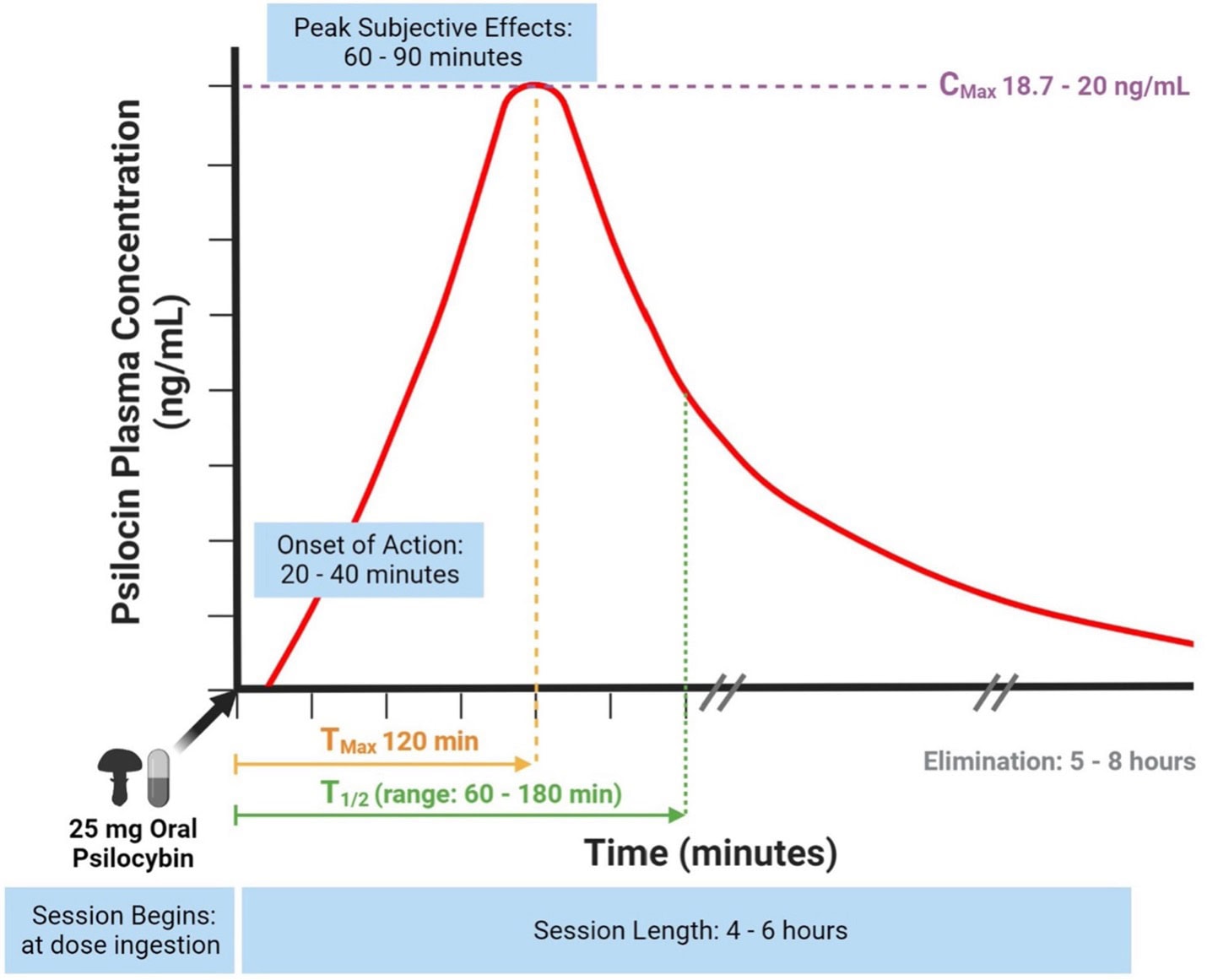
Effects typically onset in 30–60 minutes and last 4–6 hours.
Experienced individuals with professional supervision
Intense: strong visuals/auditory changes, altered perception of time/space, profound detachment
Deep introspection, potential spiritual insights, emotional processing (including trauma)
Higher risk of nausea, confusion, anxiety, or challenging moments; increased heart rate
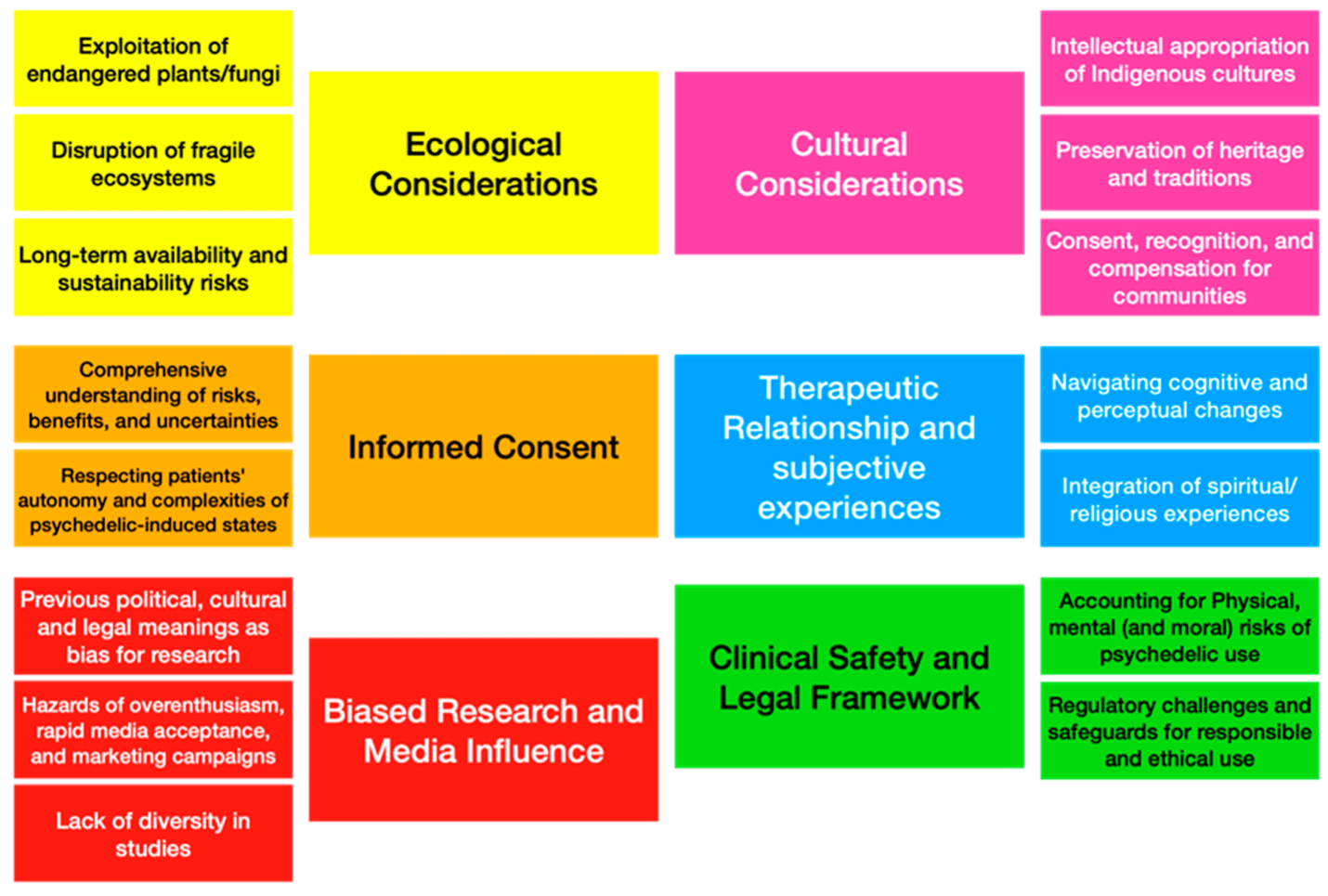
nature.comVisual representation of ethical frameworks for psychedelic applicationsfrontiersin.orgIndividual Variability
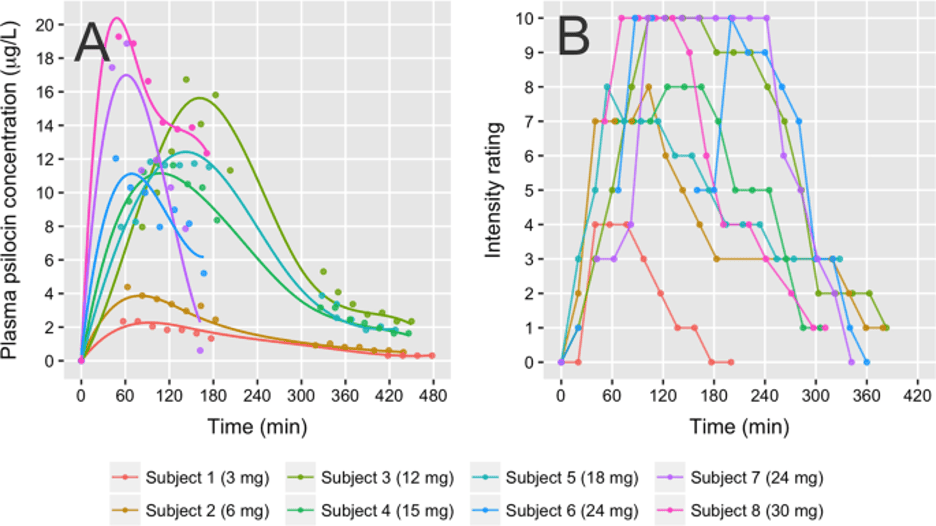
Responses to psilocybin are highly personal, influenced by biology, psychology, and context-much like varying reactions to caffeine or other substances. The same dose may produce mild effects one day and stronger ones another due to factors like rest, diet, or stress. Increasing dosage does not linearly guarantee deeper insights; it can sometimes lead to less coherent experiences. Always prioritize gradual exploration.
Determining an Appropriate Dose
Consider these factors when selecting a dose:
Inexperienced individuals benefit most from starting at the lower end or in facilitated settings, such as guided retreats.
Progressive Dosing Approach
In professional retreat settings, a staged ingestion method supports individualized pacing. Participants begin with a moderate dose, then-based on emerging effects and comfort-may opt for a supplemental "booster" dose later. This allows deeper exploration while respecting personal readiness.
Managing Challenging Experiences
Appropriate dosing reduces the likelihood of overwhelming moments. Psilocybin rarely causes "bad trips" in the traditional sense but can surface difficult emotions for processing. These are often temporary and valuable for growth when supported by a calm environment and trusted presence. Professional facilitation helps navigate and integrate such experiences safely.
Psilocybin Dosage Equivalence: Fresh Truffles, Fresh Mushrooms, and Dried Forms
Psilocybin content and potency vary significantly depending on the form (fresh truffles, fresh mushrooms, or dried mushrooms), species, strain, growing conditions, and storage. Fresh forms generally retain more consistent potency if consumed soon after harvest, as drying processes can lead to partial degradation of psilocybin and psilocin. However, dried mushrooms are more concentrated due to water removal (typically losing 90% of weight).
Harm Reduction Guidelines
Potency estimates are approximate; always test batches if possible and start with lower doses to assess individual sensitivity.
Use a precise digital scale.
Factors like body weight, tolerance, mindset, and setting profoundly influence effects.
Higher doses require professional supervision in a controlled environment.
Psilocybin is not recommended for those with certain mental health conditions or without proper preparation.
adf.org.auzinniahealth.commedicalnewstoday.comApproximate Dosage Equivalence Table
The following provides indicative equivalences based on common estimates for Psilocybe species (e.g., cubensis for mushrooms; sclerotia forms for truffles). Fresh truffles are typically less potent per gram than fresh mushrooms, and dried mushrooms are about 10 times more concentrated than fresh ones. Pure psilocybin estimates assume average content (0.5–1.5 mg/g fresh truffles; higher in dried mushrooms).
Fresh Truffles (grams)
Approximate Fresh Mushrooms (grams)
Approximate Dried Mushrooms (grams)
Estimated Pure Psilocybin (mg)
Expected Effects (Approximate)
1–2
1.5–3
0.15–0.3
1–3
Sub-perceptual (microdose)
5–10
7–15
0.7–1.5
5–15
Mild to noticeable psychedelic effects
10–15
15–22
1.5–2.2
10–25
Moderate psychedelic experience
20–30
30–45
3–4.5
20–45
Intense psychedelic experience
35+
50+
5+
50+
Very intense (requires supervision)
Notes on Table:
Equivalences vary; fresh truffles often require 10–15g for effects comparable to 1–1.5g dried mushrooms.
Pure psilocybin content is highly variable and rarely measured precisely outside labs.
Overview of practical guidelines for psilocybin in clinical settingsfrontiersin.orgmdpi.comInsights from Clinical Research
Psilocybin has received FDA breakthrough therapy designations for conditions like treatment-resistant depression and major depressive disorder, highlighting its therapeutic potential when administered in controlled settings.
A phase I study conducted by King's College London's Institute of Psychiatry, Psychology & Neuroscience (IoPPN) in partnership with COMPASS Pathways (published results around 2022) examined synthetic psilocybin (COMP360) in healthy volunteers. Doses of 10 mg and 25 mg were administered with psychological support. Key findings:
No participants withdrew due to adverse events.
No short- or long-term detrimental effects on cognition or emotional processing were observed.
The study supported the feasibility and safety of these doses in supported environments, laying groundwork for further therapeutic trials.
sciencedirect.comRecent study graph illustrating changes in emotional processingresearchgate.net
Ongoing research emphasizes supported administration, precise dosing (often 25 mg synthetic psilocybin for therapeutic effects), and integration to maximize benefits while minimizing risks. Always align use with local regulations and professional guidance.
frontiersin.orgfrontiersin.orgmdpi.comResearch Insights on Psilocybin Dosing: Body Weight, Sex, and Therapeutic Effects
Clinical research on psilocybin dosing continues to evolve, with studies examining factors like body weight and sex, as well as therapeutic outcomes in controlled settings. Below is an overview of key findings, emphasizing evidence-based approaches and harm reduction principles.
Harm Reduction Reminder Dosing decisions should prioritize individual factors, including experience level, mental health history, and environment. Professional supervision is recommended for moderate to high doses. Psilocybin remains a scheduled substance in many jurisdictions; use must comply with local laws.
Influence of Body Weight and Sex on Psilocybin Effects
A 2021 post-hoc analysis of data from ten prior studies (N=288 participants receiving 20–30 mg/70 kg psilocybin) found no significant association between subjective effects (mystical experiences, intensity, or challenging aspects) and body weight (range: 49–113 kg) or sex. This suggests that fixed dosing may be as effective as weight-adjusted approaches in many cases, simplifying administration in therapeutic contexts.
Anecdotal community guidelines sometimes recommend weight-based reductions (e.g., 50% dose below 50 kg, 75% for 50–70 kg), but these lack robust empirical support. Current evidence leans toward minimal influence of body weight or sex on acute effects.
frontiersin.orgnature.comTherapeutic Effects in Depression
A 2023 double-blind, randomized trial (published results from a 2019–2021 study; N=52 participants with major depressive disorder) compared a single moderate dose of psilocybin (0.215 mg/kg body weight, approximately 15–16 mg for average adults) to placebo, both with psychological support.
Using the Montgomery–Åsberg Depression Rating Scale (MADRS) and Beck Depression Inventory (BDI):
Psilocybin group: Average decrease of ~13 points at 14 days post-administration.
Placebo group: Average decrease of ~4 points.
The difference was statistically significant, indicating rapid and substantial symptom reduction with psilocybin, sustained for at least two weeks. No serious adverse events occurred.
Frequently Asked Questions on Magic Truffle DosageHow to Select an Appropriate Dose?
Dosing should account for prior experience, sensitivity, and support available. Beginners are advised to start with microdosing or seek facilitated settings rather than higher doses independently.
Typical Doses in Facilitated Retreats?
Retreats often use moderate doses (e.g., 15–25g fresh truffles or equivalent), with professional guidance, preparation, and integration support.
Can Microdosing Follow a Full-Dose Experience?
Yes, some individuals with depression or anxiety explore microdosing protocols (e.g., Fadiman or Stamets) 8–10 days after a higher-dose session to potentially prolong benefits, allowing time for tolerance reset.
Risk of Dependence?
Psilocybin shows low potential for physical dependence or addiction, unlike substances such as opioids or stimulants. Intense experiences rarely lead to compulsive use; many individuals space sessions months or years apart, or not at all.
Ongoing research supports psilocybin's safety profile in supported environments, with emphasis on set, setting, and integration for optimal outcomes. Consult qualified professionals for guidance.





 illinoisrecoverycenter.com
 pabcounseling.com
Approximate Effects by Dosage Level (Fresh Truffles)
pabcounseling.com
Approximate Effects by Dosage Level (Fresh Truffles)
 nature.com

 adf.org.au
 zinniahealth.com
 medicalnewstoday.com
Approximate Dosage Equivalence Table
The following provides indicative equivalences based on common estimates for Psilocybe species (e.g., cubensis for mushrooms; sclerotia forms for truffles). Fresh truffles are typically less potent per gram than fresh mushrooms, and dried mushrooms are about 10 times more concentrated than fresh ones. Pure psilocybin estimates assume average content (0.5–1.5 mg/g fresh truffles; higher in dried mushrooms).
medicalnewstoday.com
Approximate Dosage Equivalence Table
The following provides indicative equivalences based on common estimates for Psilocybe species (e.g., cubensis for mushrooms; sclerotia forms for truffles). Fresh truffles are typically less potent per gram than fresh mushrooms, and dried mushrooms are about 10 times more concentrated than fresh ones. Pure psilocybin estimates assume average content (0.5–1.5 mg/g fresh truffles; higher in dried mushrooms).

 mdpi.com
Insights from Clinical Research
Psilocybin has received FDA breakthrough therapy designations for conditions like treatment-resistant depression and major depressive disorder, highlighting its therapeutic potential when administered in controlled settings.
A phase I study conducted by King's College London's Institute of Psychiatry, Psychology & Neuroscience (IoPPN) in partnership with COMPASS Pathways (published results around 2022) examined synthetic psilocybin (COMP360) in healthy volunteers. Doses of 10 mg and 25 mg were administered with psychological support. Key findings:
mdpi.com
Insights from Clinical Research
Psilocybin has received FDA breakthrough therapy designations for conditions like treatment-resistant depression and major depressive disorder, highlighting its therapeutic potential when administered in controlled settings.
A phase I study conducted by King's College London's Institute of Psychiatry, Psychology & Neuroscience (IoPPN) in partnership with COMPASS Pathways (published results around 2022) examined synthetic psilocybin (COMP360) in healthy volunteers. Doses of 10 mg and 25 mg were administered with psychological support. Key findings:
 sciencedirect.com

 frontiersin.org
 frontiersin.org
 mdpi.com
Research Insights on Psilocybin Dosing: Body Weight, Sex, and Therapeutic Effects
Clinical research on psilocybin dosing continues to evolve, with studies examining factors like body weight and sex, as well as therapeutic outcomes in controlled settings. Below is an overview of key findings, emphasizing evidence-based approaches and harm reduction principles.
Harm Reduction Reminder Dosing decisions should prioritize individual factors, including experience level, mental health history, and environment. Professional supervision is recommended for moderate to high doses. Psilocybin remains a scheduled substance in many jurisdictions; use must comply with local laws.
Influence of Body Weight and Sex on Psilocybin Effects
A 2021 post-hoc analysis of data from ten prior studies (N=288 participants receiving 20–30 mg/70 kg psilocybin) found no significant association between subjective effects (mystical experiences, intensity, or challenging aspects) and body weight (range: 49–113 kg) or sex. This suggests that fixed dosing may be as effective as weight-adjusted approaches in many cases, simplifying administration in therapeutic contexts.
Anecdotal community guidelines sometimes recommend weight-based reductions (e.g., 50% dose below 50 kg, 75% for 50–70 kg), but these lack robust empirical support. Current evidence leans toward minimal influence of body weight or sex on acute effects.
mdpi.com
Research Insights on Psilocybin Dosing: Body Weight, Sex, and Therapeutic Effects
Clinical research on psilocybin dosing continues to evolve, with studies examining factors like body weight and sex, as well as therapeutic outcomes in controlled settings. Below is an overview of key findings, emphasizing evidence-based approaches and harm reduction principles.
Harm Reduction Reminder Dosing decisions should prioritize individual factors, including experience level, mental health history, and environment. Professional supervision is recommended for moderate to high doses. Psilocybin remains a scheduled substance in many jurisdictions; use must comply with local laws.
Influence of Body Weight and Sex on Psilocybin Effects
A 2021 post-hoc analysis of data from ten prior studies (N=288 participants receiving 20–30 mg/70 kg psilocybin) found no significant association between subjective effects (mystical experiences, intensity, or challenging aspects) and body weight (range: 49–113 kg) or sex. This suggests that fixed dosing may be as effective as weight-adjusted approaches in many cases, simplifying administration in therapeutic contexts.
Anecdotal community guidelines sometimes recommend weight-based reductions (e.g., 50% dose below 50 kg, 75% for 50–70 kg), but these lack robust empirical support. Current evidence leans toward minimal influence of body weight or sex on acute effects.
 nature.com
Therapeutic Effects in Depression
A 2023 double-blind, randomized trial (published results from a 2019–2021 study; N=52 participants with major depressive disorder) compared a single moderate dose of psilocybin (0.215 mg/kg body weight, approximately 15–16 mg for average adults) to placebo, both with psychological support.
Using the Montgomery–Åsberg Depression Rating Scale (MADRS) and Beck Depression Inventory (BDI):
nature.com
Therapeutic Effects in Depression
A 2023 double-blind, randomized trial (published results from a 2019–2021 study; N=52 participants with major depressive disorder) compared a single moderate dose of psilocybin (0.215 mg/kg body weight, approximately 15–16 mg for average adults) to placebo, both with psychological support.
Using the Montgomery–Åsberg Depression Rating Scale (MADRS) and Beck Depression Inventory (BDI):