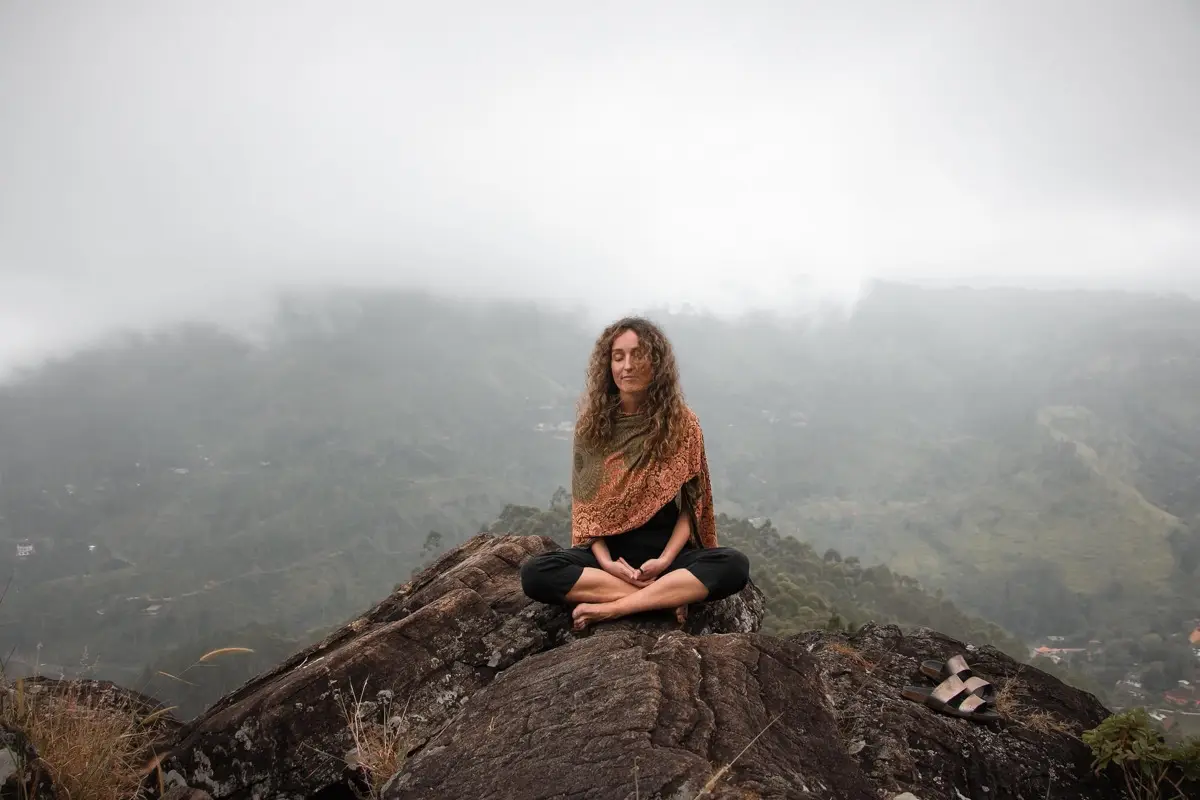
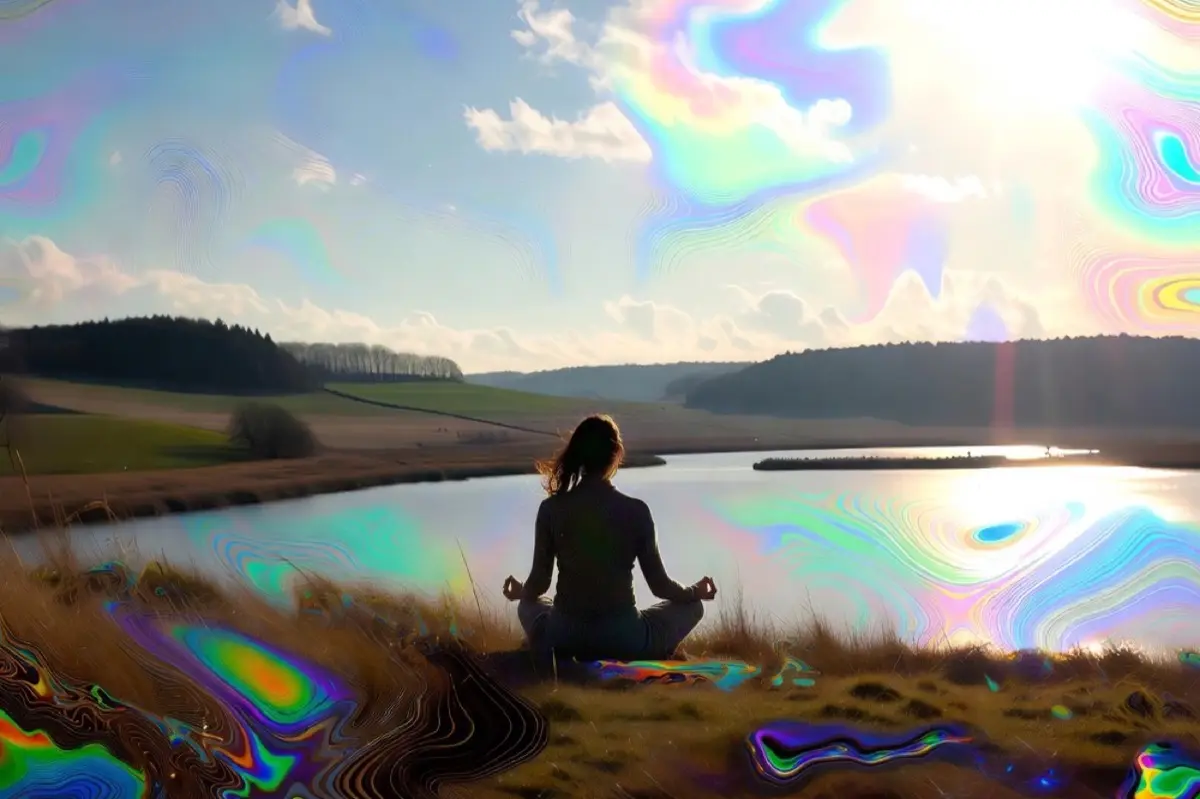
When people talk about a psilocybin journey with magic truffles or magic mushrooms, many immediately imagine spectacular visual hallucinations: vivid colors, geometric patterns, and dancing shapes. Yet the real experiences reported by thousands of participants and confirmed by scientific studies show a more nuanced reality. While visuals are common, especially at moderate to high doses, it is often the deep insights, emotional realizations, and mystical experiences that mark people most durably and bring the most significant changes. On retraite-eveil.com, we explore these inner journeys through an educational and respectful lens, grounded in verified data. This article compares visuals and insights, explains what people experience most often, and shows why insights tend to prevail in both frequency and lasting value for the majority of participants.
Understanding this distinction helps you approach the journey with realistic expectations and get the greatest benefit. Visuals can be impressive, but insights touch the very heart of personal transformation. Research shows that lasting benefits, such as reduced anxiety or greater life clarity, are more closely linked to experiences of meaning and connection than to visual perceptions alone.
Visuals in a psilocybin journey: what you really see
Visual effects are among the best-known and most anticipated aspects of psilocybin. They often appear as early as the come-up
phase and reach maximum intensity during the plateau. With eyes open, colors become more saturated, object outlines seem to breathe or ripple, and geometric patterns can overlay reality. With eyes closed, many people describe complex images: colorful fractals, inner landscapes, or symbolic scenes.
These phenomena are linked to the activation of 5-HT2A receptors in the visual cortex. A
recent study published in Nature confirms that psilocybin strongly alters connectivity in the brain’s visual areas, explaining the appearance of these perceptual changes. However, visuals are not always present or intense. At lower doses they may remain subtle, while at higher doses they become more immersive without necessarily dominating the experience.
Many testimonials report that visuals are pleasant or fascinating at first but can also become distracting if you become too attached to them. They often serve as an entry point, yet they are not the heart of the journey for most people.
Insights: the realizations that transform
In contrast to visuals, insights correspond to moments of profound clarity about yourself, your relationships, life, or the nature of reality. They can take the form of a sudden understanding of an emotional pattern, a feeling of universal connection, self-acceptance, or a fresh perspective on a personal problem. These experiences are often described as “mystical” or “transcendent”: a sense of unity, sacredness, unconditional love, or temporary dissolution of the ego.
Unlike visuals, which are primarily sensory, insights touch emotional, cognitive, and existential dimensions. They frequently arise during the plateau or descent, when the mind, freed from habitual rumination, can explore new perspectives. Participants frequently report that these moments allowed them to resolve internal conflicts, release limiting beliefs, or rediscover meaning in their existence.
What scientific studies say: insights often prevail
The scientific data are clear on this point. In a major study conducted by
Johns Hopkins University in 2006 and published in 2008, 58 percent of participants ranked their psilocybin experience among the five most meaningful experiences of their lives, and 67 percent among the most spiritually significant. These high ratings were linked not primarily to visuals but to the mystical components and insights. The researchers observed that participants who had a “complete mystical experience” reported
lasting changes in well-being, openness, and life satisfaction.
Another 2020 study published in Psychopharmacology compared the subjective
effects of psilocybin with those of another substance and identified nine key domains related to the appeal of the experience. Among them, insights, positive mood, sense of meaning, and mystical experience ranked highest, ahead of visual effects alone. The authors emphasize that visuals contribute to the experience, but it is the insights and positive emotions that explain why so many people consider these journeys profoundly transformative.
More recently, a 2025 qualitative analysis of psilocybin experiences revealed that participants more often describe significant personal insights and increased emotional connection than pure visuals. Visuals were mentioned, but often as an accompaniment rather than the central element. The researchers noted that insights about self, values, and relationships were the aspects most frequently cited as memorable and beneficial.
These results converge: even though visuals are spectacular and frequent, insights are what people experience most often in a meaningful way and what generates the most lasting changes.
Concrete testimonials: what people really report
Personal accounts confirm the scientific data. Many participants say they began their journey hoping for colorful visions but were ultimately most touched by a sudden realization. One person who took part in a Johns Hopkins study recounted: “I saw beautiful patterns, but what really changed me was this deep feeling of connection with everything that exists and the understanding that my fears were only stories I was telling myself.”
Other testimonials speak of insights about family relationships, grief, or self-destructive patterns. Visuals may be beautiful or intense, but it is often the moments of inner clarity that remain engraved in memory years later. In online surveys and qualitative reports, insights and the sense of meaning are cited more frequently than visual effects alone as “what mattered most.”
Why insights seem more frequent and more valuable
Several reasons explain this predominance. Visuals are dose-dependent and can vary according to individual sensitivity, whereas insights emerge as soon as the brain enters a state of increased neuroplasticity. The temporary deactivation of the default mode network, confirmed by numerous brain-imaging studies, allows precisely this type of realization. In addition, insights are often integrated emotionally, which gives them lasting reach.
Visuals can be fascinating, but they often remain external to the personal experience. Insights, on the other hand, touch directly on identity, emotions, and values. This is why they are associated with more marked therapeutic benefits in research on depression, anxiety, or addiction.
Practical advice for balancing visuals and insights
If you are preparing for a journey, it is useful to know that the two aspects often coexist. To favor insights, choose a calm setting, a clear intention, and an attitude of openness. Closing your eyes for part of the plateau can help shift from visuals to inner realizations. After the journey, integration through writing or discussion allows you to turn insights into concrete changes.
Remember that every experience is unique. Some journeys are very visual, others highly introspective. Both are valid. What matters is to welcome whatever arises with curiosity and kindness.
Beyond images, the real transformation
Visuals and insights both form part of a psilocybin journey, but what people experience most often and what marks them most durably remains the deep insights.
Studies and testimonials converge: personal realizations, the sense of connection, and released emotions bring far greater value than visual perceptions alone. By understanding this reality, you can approach these experiences with accurate expectations and obtain an authentic and lasting transformation.
UNLOCK THE MIND. ELEVATE THE SELF.