



No clinical trial has established safe psilocybin use during pregnancy or breastfeeding. Animal data are sparse, ethical recruitment of pregnant participants is restricted, and retreat screening universally excludes gestation and lactation. This article explains why absence of safety data equals precaution, how placental transfer and breast milk excretion are evaluated for other drugs, what harm reduction professionals recommend, and how partners planning conception should think about timing.
Regulatory agencies apply the precautionary principle when human reproductive safety is unknown. The FDA excludes pregnancy from psychedelic trials. Dutch legal truffle markets carry no pregnancy labeling because products are sold as food-adjacent goods, not medicines. Medical education belongs on sites like our contraindications hub and the broader absolute exclusion guide.
Why pregnancy is an absolute contraindication
Psilocybin crosses biological barriers affecting neurodevelopment. The fetal brain undergoes rapid organization in each trimester. Serotonergic signaling influences neural migration and connectivity. Disrupting those processes without controlled benefit is unacceptable in ethics review boards overseeing human research.
Pregnant people experience altered pharmacokinetics: changed blood volume, liver enzyme activity, and cardiac output. Dose-response relationships derived from non-pregnant adults do not transfer. Unknown risks include miscarriage, congenital anomalies, preterm labor, and long-term neurobehavioral effects none of which have been quantified for psilocybin specifically.
Breastfeeding and infant exposure
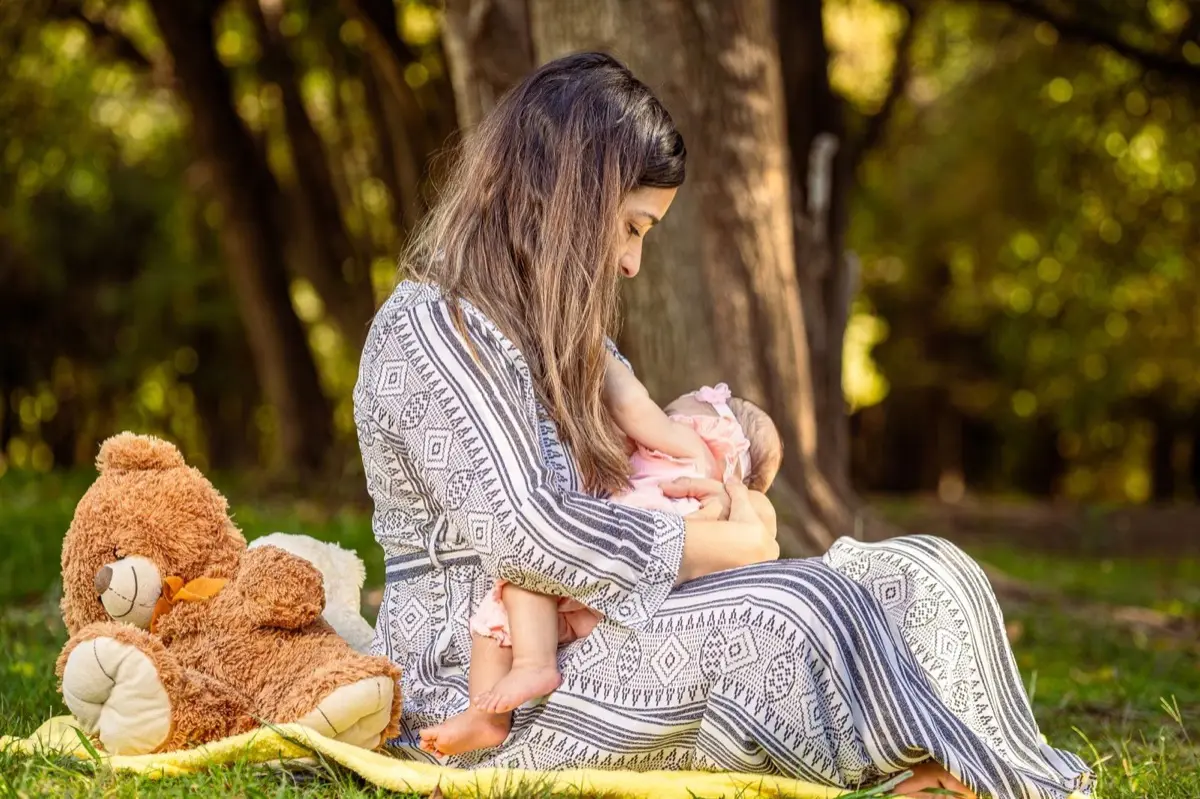
Many lipophilic compounds appear in breast milk. Without lactation pharmacokinetic studies for psilocybin and its metabolite psilocin, infants may receive unknown doses during critical early development. Absolute exclusion during breastfeeding follows the same logic as pregnancy: absence of safety data prevents responsible endorsement.
Some drugs require pumping and dumping for defined intervals after maternal dose. No such interval exists for psilocybin because it was never studied. Assume exposure risk until research says otherwise.
Animal and indirect evidence limits
Rodent studies of classic psychedelics occasionally explore developmental endpoints but rarely map cleanly to human truffle doses or retreat contexts. Extrapolation from high-dose rodent models to human pregnancy would be misleading for public education. PubMed indexes scattered preclinical work; none supports recreational use in pregnancy.
Alcohol and tobacco epidemiology demonstrates that substances once considered low risk in pregnancy caused harm after longitudinal study. Precaution avoids repeating historical errors.
Psychological needs during pregnancy
Pregnancy can intensify anxiety, depression, or existential questioning. Some seek psychedelics for emotional processing. Evidence-based alternatives include perinatal psychiatry, therapy modalities safe in pregnancy, and social support. Psilocybin-assisted therapy trials for depression explicitly exclude pregnancy; they are not hidden options.
If marketing suggests microdosing truffles while pregnant for mood, treat that as misinformation. Microdosing lacks robust safety data in general populations and offers even less for fetal exposure scenarios discussed by the NHS pregnancy guidance framework for unknown substances.
Partners, conception planning, and washout intervals
People planning conception sometimes ask how long to wait after psilocybin use. No official washout interval exists because sperm and egg effects are unstudied. Harm reduction oriented clinicians sometimes suggest arbitrary intervals (for example one to three months) based on general toxicology caution, not psilocybin-specific half-life alone. Psilocin clearance is measured in hours; hypothetical developmental risk timelines are speculative.
Discuss family planning with obstetric providers who know your full history. Document substance use honestly in prenatal records when pregnancy occurs later.
Retreat policies and travel while pregnant
Retreat health questionnaires should ask about pregnancy and breastfeeding explicitly. Venues may refuse participation even in first trimester before visible pregnancy because physiological changes already begin. Flying to the Netherlands while pregnant involves separate obstetric travel guidance unrelated to psilocybin but relevant to retreat logistics.
Heat exposure, fasting, and long sitting during ceremonies add physical stress inappropriate for many pregnancies, connecting to our hydration article and outdoor safety piece.
Exposure before known pregnancy
If psilocybin was consumed before a positive test, contact obstetric care for individualized counseling. General reassurance cannot be evidence-based. Ultrasound and standard prenatal screening proceed as usual. Avoid further exposure immediately.
Guilt and secrecy worsen anxiety. Clinicians need accurate histories to interpret symptoms without judgment.
Legal versus medical framing in the Netherlands
Truffles may be legal to purchase for adults in the Netherlands while remaining medically contraindicated in pregnancy. Legal access does not imply obstetric safety. Smart shop sellers may not ask pregnancy status; ethical responsibility falls on the consumer and, for retreats, on screening staff trained per resources like EMCDDA harm reduction summaries.
Preconception planning and partner disclosure
Couples planning pregnancy within six months should defer psilocybin participation. Unknown teratogenic risk and altered decision-making during peaks make conception timing discussions unreliable. Partners should agree on contraception adherence before retreats when pregnancy is possible.
Fertility treatments involving hormonal stimulation add mood variability similar to bipolar concerns. IVF cycles and psilocybin scheduling should not overlap without reproductive endocrinology input.
Regulatory and research gaps
No ethics board would approve psilocybin dosing studies in pregnant volunteers today. Animal developmental studies remain sparse relative to pharmaceutical standards for pregnancy labeling. Absence of data is itself the clinical conclusion: do not expose fetus or nursing infant when alternatives include waiting or choosing non-substance retreats.
Breast milk expression and travel logistics
Lactating parents traveling without infants must plan pumping schedules; retreat schedules may not accommodate private pumping breaks during ceremony days. Hormonal lactation suppression medications carry their own psychiatric side effect profiles worth discussing with prescribers separately from psilocybin questions.
Accidental pregnancy discovery onsite
Retreats should include pregnancy test policies for guests of childbearing potential when ceremonies span fertile cycle windows. Ethical operators pause dosing when positive tests appear regardless of sunk travel costs, prioritizing fetal safety over schedule pressure.
Partner support roles during pregnancy deferral
When one partner is excluded due to pregnancy, couples should plan alternate shared experiences rather than pressuring pregnant partner to wait onsite while other doses. Relationship dynamics during hormonal transitions benefit from counseling not psychedelic urgency.
Male partner substance use during conception windows
While pregnancy contraindications focus on gestating parent, couples planning conception should discuss whether any psychedelic exposure in either partner fits their reproductive timeline. Research on paternal exposures is also limited; conservative family planning favors postponing non-essential psychoactive experiences.
Conclusion
Pregnancy, breastfeeding, and psilocybin combine an investigational serotonergic drug with vulnerable developmental windows and zero adequate human safety data. That gap defines an absolute contraindication for retreats and trials alike. Choose perinatal mental health care with established safety profiles. Delay psychedelic exploration until after completion of breastfeeding if interest remains, re-evaluating with updated research and physicians.
Consult our contraindications page and prioritize fetal and infant health over unstudied pharmacological experiments.
Regulatory labels and consumer confusion
Dietary supplement style marketing sometimes implies natural equals safe in pregnancy. Psilocybin is not a vitamin. Natural origin does not bypass placental biology. Regulatory gaps in truffle retail place educational burden on retreats and public health communicators.
Obstetric providers increasingly field psychedelic questions as media coverage grows. Prepare honest substance timelines for prenatal visits without fear of automatic reporting in most jurisdictions, enabling appropriate monitoring.
Postpartum depression and future research boundaries
Postpartum mood disorders require evidence-based care with medications studied in lactation where needed. Psilocybin trials exclude breastfeeding parents intentionally. Future research may explore supervised settings years from now; current harm reduction stance remains abstinence through pregnancy and nursing.
Partners supporting new parents should avoid suggesting truffles as quick mood fixes when sleep deprivation already impairs judgment and cardiovascular resilience.
Environmental exposures beyond ingestion
Second-hand smoke from cannabis or tobacco ceremonies at mixed retreats adds unrelated fetal risks if pregnant staff or partners attend. Pregnant travelers should confirm substance policies before booking any psychedelic-adjacent venue even if they personally abstain.
Partner and co-parent roles
Non-pregnant partners planning conception should discuss psilocybin timing with obstetric providers as noted earlier. Co-parents must not pressure pregnant partners toward ceremonies for shared spiritual experience. Collective decision making respects pregnant person's absolute exclusion without negotiation.
Postpartum parents sleep deprived face impaired judgment about microdosing rumors online; defer all psychedelic exposure until breastfeeding completes and mood stabilizes with pediatric follow-up established.
Workplace pregnancy disclosure and retreat deposits
Unexpected positive tests after booking should trigger immediate retreat notification for refund policy evaluation. Ethical operators refund or credit future dates without penalty when pregnancy discovered after booking though policies vary read terms before purchase.
UNLOCK THE MIND. ELEVATE THE SELF.