



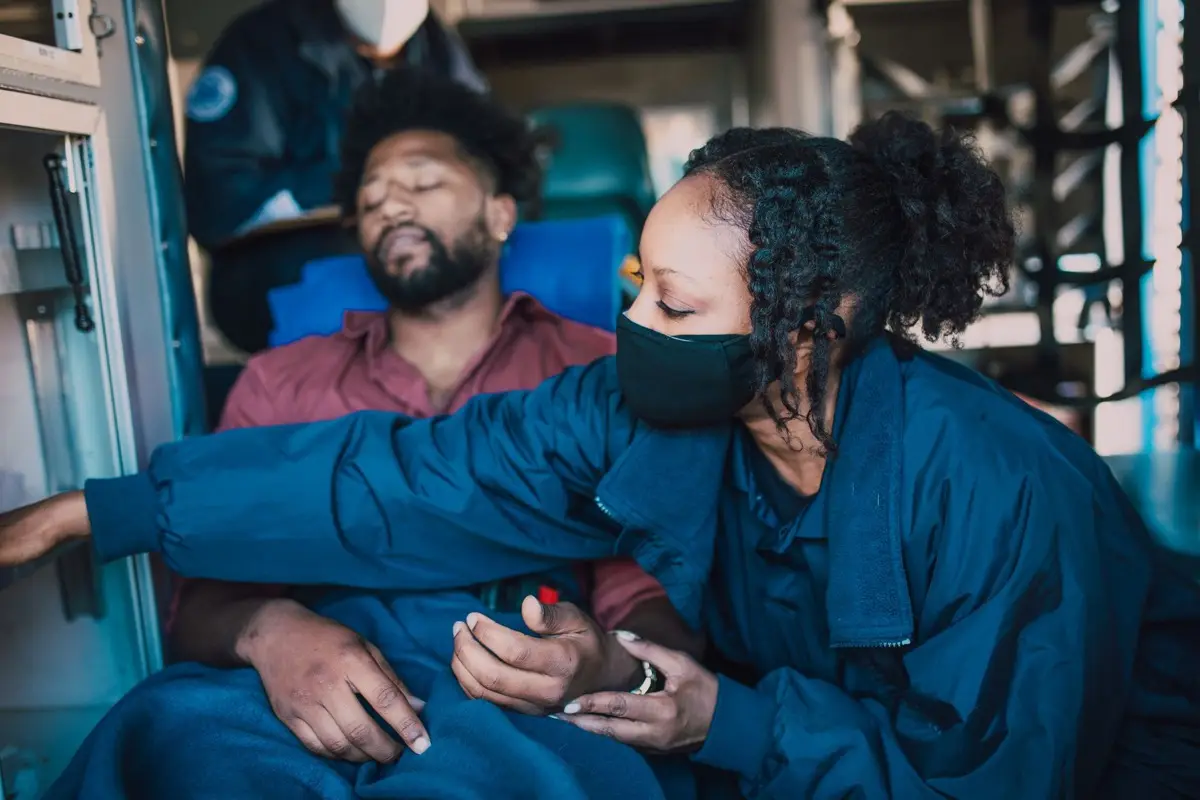

Psychedelic first aid training teaches sober responders to recognize and support difficult experiences without replacing emergency medicine. Programs such as RET (Psychedelic Emergency Response Training) and related curricula spread skills among retreat staff, festival volunteers, and integration communities. This article summarizes typical learning objectives, scope limits, and how trained responders fit alongside medical services and retreat screening.
Training complements but does not override contraindications screening or articles on difficult trips, panic response, and group safety protocols.
What psychedelic first aid is
Psychedelic first aid is non-clinical crisis sitting and triage education for acute psychedelic distress in community settings. It emphasizes calm presence, risk assessment, environmental modification, and EMS activation when medical signs appear. It is not a license to administer psychedelics, prescribe drugs, or diagnose mental illness unless participant holds separate professional credentials.
Curricula often draw on harm reduction principles promoted by organizations documenting festival and retreat safety needs globally.
RET and similar program modules
RET-style trainings typically cover pharmacology basics of psilocybin and common adulterants, psychological first aid, de-escalation, consent and ethics, group dynamics, and legal awareness in host countries. Role-plays simulate panic, paranoid loops, and somatic fear with feedback from instructors experienced in field settings.
Graduates receive certificates verifying attendance; competency requires ongoing practice and refresher courses as protocols evolve.
Assessment frameworks taught
Trainees learn to distinguish psychological distress manageable with sitting from emergencies: chest pain with cardiac history, seizures, hyperthermia, violent behavior, suicidal actions with means, or serotonin syndrome features discussed in our tramadol interaction article. Decision trees reduce paralysis when symptoms overlap.
Documentation practice teaches incident timelines useful for hospital handoffs without violating guest confidentiality carelessly on public forms.
Scope limits and handoffs
Trained responders call 112 in Netherlands when local scope exceeded. They do not replace paramedics or psychiatrists. Administering benzodiazepines without prescribing authority remains out of scope for most graduates though clinical trial nurses operate under physician orders differently.
Training explicitly states psychedelic first aid does not qualify untrained individuals to lead high-dose ceremonies commercially without additional facilitation standards and insurance review.
Integration with retreat operations
Retreats advertising trained staff should specify how many graduates onsite per guest, whether lead facilitators also certified, and last refresher date. One certificate holder per large group insufficient without assistants per ratio guidance in group safety article.
Training aligns screening enforcement: graduates recognize why lithium or psychotic spectrum histories are declined rather than treating exclusions as bureaucratic annoyances.
Festival and community contexts
Outdoor festivals apply similar skills with higher noise and substance variability. RET graduates sometimes volunteer in harm reduction tents separate from truffle retreat economics yet share assessment language improving sector-wide consistency.
Community mutual aid groups organize practice circles reviewing scenarios maintaining skills between annual events.
Comparison to clinical trial facilitation training
Hospital psilocybin trials train guides for months under protocols from institutions like Johns Hopkins with physician oversight each session. RET compresses essential community triage into shorter workshops accessible to wider audiences without claiming equivalence to clinical credentials.
Guests should calibrate expectations: trained sitter plus EMS plan beats untrained charismatic leader yet does not replicate ICU backup.
Ethics and consent components
Modern curricula integrate sexual boundary ethics per our consent article, touch policies, and anti-exploitation norms. Ethics modules distinguish spiritual guidance from grooming patterns harming vulnerable guests.
Limitations and ongoing debates
Standardization across training providers remains incomplete internationally. Certificate title confusion allows weekend courses with minimal rigor marketing similar names. Ask for syllabi hours, instructor bios, and assessment methods before trusting credentials listed on retreat websites.
Research on training efficacy quantifying reduced adverse outcomes is emerging; anecdotal sector confidence currently exceeds published metrics yet training still beats none.
How guests benefit indirectly
Even guests never taking training benefit when staff share common vocabulary for help signals and environment adjustments reducing panic duration. Pre-retreat reading of first aid principles helps solo travelers support friends responsibly outside commercial retreats.
Recertification and skill decay
Psychedelic first aid skills decay without practice. Programs recommending annual refreshers mirror CPR recertification culture. Retreats listing 2019 training dates without interim practice should not equate certificate possession with current competency.
Coordination with Dutch emergency services
Trainees learn local EMS expectations: calling 112, providing rural addresses with GPS coordinates, and basic medical French or German phrases when guests cannot communicate in Dutch or English during crises.
Volunteer versus paid responder liability
Volunteer harm reduction workers operate under different liability frameworks than insured retreat employees. Contracts should clarify scope of practice and insurance coverage for graduates applying skills commercially versus altruistically at festivals.
Scenario libraries and tabletop exercises
Quality trainings include tabletop drills simulating serotonin syndrome, panic contagion, and EMS handoffs. Retreats hiring graduates should ask whether instructors used scenario libraries updated after real incidents anonymized in sector newsletters.
Bridging training to retreat SOPs
Certificates alone do not integrate graduates into written standard operating procedures. Operators map training vocabulary to onsite help signals, radio codes, and documentation forms so skills transfer from classroom to ceremony floor without improvisation gaps.
Training program grievance processes
Prospective trainees should ask training organizations how they handle instructor misconduct complaints. Quality programs maintain ethics boards separate from marketing departments certifying graduates.
Inter-rater reliability in scenario grading
Practicum exams should demonstrate reproducible assessment between instructors. Programs grading loosely produce false confidence among graduates entering commercial facilitation markets without verified crisis competencies beyond attendance certificates.
Research on training outcomes
Peer-reviewed studies quantifying psychedelic first aid training efficacy remain limited but growing. Trainees should read available evaluations critically rather than assuming certificate logos imply proven outcome reductions.
Conclusion
Psychedelic first aid training such as RET teaches triage, sitting, ethics, and EMS escalation for difficult psilocybin experiences in community settings. Verify retreat staff training depth and ratios rather than assuming certificate logos imply comprehensive safety. Combine trained responders with rigorous contraindications screening and rehearsed emergency plans for robust group protection.
Building training culture locally
Netherlands-based retreat clusters benefit when multiple operators send staff to shared trainings creating regional mutual aid during peak tourist seasons staffing shortages. Cross-venue assistance agreements during mass casualty unlikely yet single-guest crisis overflow support happens collegially where relationships exist.
Guests can politely ask whether neighboring retreat alumni networks support emergency consults by phone when local staff inexperienced with rare presentations.
Physical first aid overlap
Standard CPR and AED training remains necessary alongside psychedelic modules. Cardiac arrest from unrelated causes still occurs in large groups statistically. Combined certifications produce more versatile staff handling fainting from dehydration per hydration article and primary arrhythmia events requiring defibrillation.
Retreats posting visible AED locations and training all kitchen staff basic response reduce latency regardless of psychedelic pharmacology involvement.
Documentation for continuous improvement
Training programs solicit scenario feedback updating curricula after real-world incidents anonymized in sector newsletters. Graduates logging volunteer hours maintain skills; retreats tracking incident types after training implementation demonstrate ROI to owners skeptical of training costs eating margins.
Transparent aggregate incident reporting without guest identification builds public trust more than claiming zero difficult experiences ever occurred statistically implausible at scale.
Future professionalization trends
Industry discussion moves toward accredited standards bodies validating curricula hours and instructor qualifications similar to wilderness first responder ecosystems. Guests watching this evolution should favor early adopters of rigorous training while avoiding paralysis waiting perfect regulation before any retreat attendance decision.
Reading list for prospective trainees
Prospective trainees should review PubMed adverse event papers in psilocybin trials, MAPS harm reduction archives, EMCDDA psychedelic health summaries, and facilitator ethics discussions before enrolling paying course fees ensuring alignment with personal values and scope ambitions volunteering versus commercial facilitation career paths diverge after shared foundational training completing educational circuit linking back to absolute contraindications where safety screening begins for every guest journey.
Volunteer training minimum hours
Credible RET-style courses specify minimum didactic and practicum hours; compare before enrolling. Weekend crash courses issue certificates without skills evaluation inadequate for lead facilitator designation though possibly sufficient for kitchen volunteer recognizing emergency need to fetch lead sitter.
Continuing education credits some trainings offer help licensed therapists maintain licensure renewal integrating psychedelic first aid into broader professional development paths legitimately.
Cross-training with mental health first aid
Mental Health First Aid curricula complement psychedelic-specific modules covering depression suicidality assessment pathways useful during integration days not only acute peaks. Combined training portfolios strengthen retreat staff resumes and guest safety simultaneously when budgets allow multiple certifications staggered across seasons financially.
UNLOCK THE MIND. ELEVATE THE SELF.