



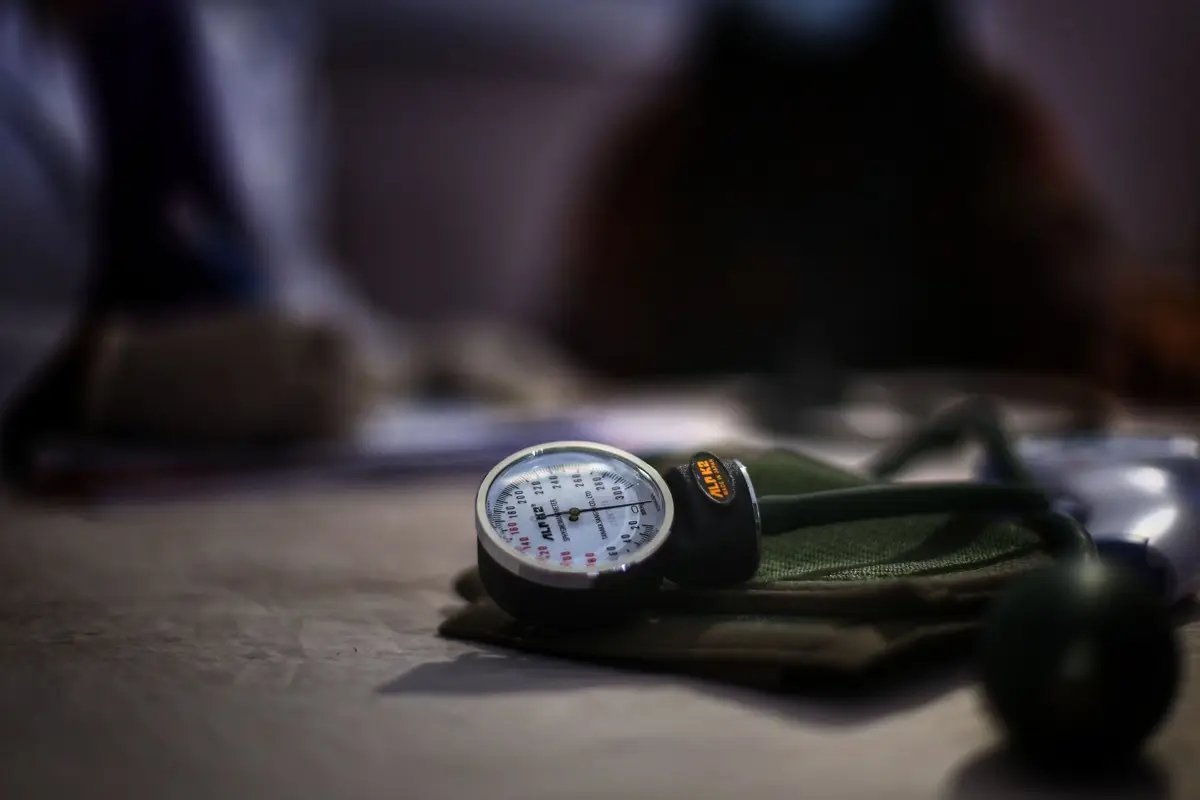

Psilocybin produces modest acute increases in blood pressure and heart rate in many healthy volunteers. For people with hypertension, arrhythmia, heart failure, or recent cardiac events, those shifts can matter. Retreat screening often asks about cardiovascular history because facilitators cannot assume hospital-grade monitoring in countryside venues. This article explains physiological effects, which heart conditions are absolute contraindications, when treated stable hypertension may be relative, and how to discuss clearance with a cardiologist.
Cardiovascular safety is central to FDA discussions on psychedelic trial design. Materials from the FDA public health focus on psychedelic trials note blood pressure monitoring during sessions. Consumer retreats rarely offer continuous monitoring. Read our contraindications hub alongside absolute exclusion lists before booking travel to the Netherlands.
What psilocybin does to the cardiovascular system
During peak effects, sympathetic activation can raise systolic and diastolic pressure and increase heart rate. Magnitude varies by dose, set, setting, and individual anxiety. Healthy young participants usually tolerate changes without sequelae. People with coronary artery disease, hypertrophic cardiomyopathy, uncontrolled hypertension, or history of myocardial infarction face different risk-benefit calculus.
Anxiety during difficult moments can amplify cardiovascular responses independently of direct pharmacology. Panic and psilocybin peaks overlapping may feel like cardiac catastrophe to the experiencer even when objective risk is low in healthy hearts. In compromised hearts, the same cascade carries higher stakes.
Absolute cardiovascular contraindications
Common absolute exclusions include recent heart attack (often within six to twelve months), unstable angina, decompensated heart failure, severe aortic stenosis, and uncontrolled hypertension (thresholds vary by program, frequently systolic above 160 mmHg). Significant arrhythmias such as poorly controlled atrial fibrillation or history of ventricular tachycardia also qualify.
Pregnancy-related cardiovascular strain is another exclusion category covered in our pregnancy and psilocybin article. Multiple exclusions can coexist. Disclose all conditions on screening forms.
Relative contraindications and physician clearance
Stable hypertension on consistent medication with normal recent readings may be considered relative. Some trials allow cardiologist letters confirming exercise tolerance and controlled pressures. Retreats may still decline because they cannot verify home monitoring or medication adherence.
Bring recent blood pressure logs and medication lists if requesting exception. Understand that facilitators are not cardiologists. A letter stating reasonable safety in a low-stress environment helps but does not transfer liability or guarantee outcomes.
Arrhythmia and QT prolongation concerns
Psilocybin is not primarily pro-arrhythmic like high-dose stimulants, yet altered states can unmask symptoms. Medications that prolong QT interval, including some antipsychotics and antibiotics, complicate any drug that stresses autonomic balance. Review medication interactions with a pharmacist.
Wearable heart rate monitors can reassure anxious participants but may also fixate attention during peaks. Discuss with your clinician whether monitoring helps or harms your anxiety profile.
Stimulant co-use and truffle ceremonies
Caffeine overload, ephedra-like supplements, or illicit stimulants before sessions multiply cardiovascular load. Retreat preparation often recommends reducing coffee. Cannabis can alter heart rate variability. See our articles on cannabis interactions and alcohol timing.
Dehydration from fasting without adequate water intake concentrates cardiovascular strain, especially in hot outdoor settings. Hydration guidance appears in our piece on fasting and fluids.
Clinical trial monitoring standards
Research sessions may include pre-session ECG, blood pressure checks at intervals, and physician presence. Published methods papers on psilocybin administration describe these safeguards. Retreats adopting partial elements (single BP check at intake) still fall short of trial infrastructure.
Ask retreats whether staff carry automated external defibrillators, whether guides know local emergency numbers, and average ambulance response times. Rural Netherlands locations vary.
Symptoms requiring emergency care during a session
Chest pain radiating to arm or jaw, sustained systolic pressure above 180 mmHg with severe headache, fainting, blue lips, or irregular pulse with dizziness warrant emergency services. Sitter reassurance is insufficient when organic cardiac symptoms appear. Retreat protocols should prioritize calling emergency medical services over preserving ceremony silence.
After resolution, follow up with cardiology even if symptoms seemed anxiety-linked. Document timelines for future screening honesty.
Older adults and cardiovascular aging
Age alone is not an absolute exclusion, yet arterial stiffness and comorbidities accumulate. Older adults participate in some trials with tight monitoring. Retreats should not assume age seventy equals age thirty biologically. Frailty, orthostatic hypotension when standing after lying down for hours, and polypharmacy require individualized review per American Heart Association guidance on managing hypertension.
Practical checklist before a retreat
Obtain cardiology input if you have any history beyond mild treated hypertension. Pack home blood pressure cuff if advised. Continue prescribed cardiac medications unless a physician plans a supervised taper (rare and not for retreats). Avoid sauna or extreme heat on session day, covered further in outdoor sun safety.
Review truffle information on magic truffles for dose context after medical clearance.
Implanted devices and post-surgical recovery
Pacemakers, implantable cardioverter defibrillators, and recent stent placement require cardiology clearance before any drug raising heart rate. Retreats rarely have telemetry; guests with devices should carry device identification cards and know magnet or electromagnetic interference policies if venues use certain sound equipment, though standard retreat electronics rarely interact clinically.
Post-myocardial infarction exercise guidelines often restrict strenuous activity for months. Psilocybin autonomic arousal may qualify as physiological stress comparable to moderate exertion; cardiologists define individual thresholds better than facilitators estimating safety from appearance of fitness.
Blood pressure monitoring during sessions
Some medically supervised trials measure blood pressure at intervals during sessions. Consumer retreats may check baseline vitals only. Guests with treated hypertension should bring home cuff logs showing stability over weeks, not single pre-travel reading under calm conditions at a pharmacy kiosk.
Arrhythmia symptoms requiring immediate EMS
Palpitations alone may occur in healthy guests during peaks, but sustained irregular heartbeat with chest pain or syncope demands 112 activation. Cardiac history guests should wear medical alert bracelets listing conditions and medications for paramedics unfamiliar with psilocybin context.
Exercise and sauna combinations
Some retreats offer sauna or vigorous yoga before ceremonies. Cardiovascular patients should decline heat stress add-ons unless cardiology clearance explicitly includes sauna and moderate exercise under psychedelic conditions, which is uncommon.
Conclusion
Heart conditions interact with psilocybin through blood pressure, heart rate, and anxiety-mediated stress responses. Uncontrolled or recent serious cardiac disease belongs on absolute contraindication lists. Stable treated conditions may be relative with specialist letters, but retreats are poor substitutes for monitored clinical environments.
Prioritize cardiac stability over schedule pressure. Use our contraindications resources, bring medical documentation, and choose programs transparent about emergency pathways when cardiovascular history is present.
Blood pressure measurement during retreats
If staff measure blood pressure at intake, white-coat anxiety can elevate readings. Repeat measurements after rest may differ. Bring home cuff averages from two weeks prior for context. Facilitators interpreting single readings without training may over- or under-exclude guests unfairly.
Orthostatic hypotension from long sitting followed by sudden standing can cause fainting unrelated to psilocybin pharmacology yet dangerous on stairs or outdoor paths. Change positions slowly, especially when dehydrated.
Post-session cardiovascular recovery
Resume normal medications immediately after sessions unless physicians directed otherwise. Monitor blood pressure for forty-eight hours if history warrants. Avoid strenuous exercise until sleep and hydration normalize. Report palpitations lasting beyond expected acute window to cardiology.
Integration stress can elevate blood pressure through poor sleep. Treat integration holistically: rest, nutrition, gentle movement, and follow-up care reduce secondary cardiovascular strain after intense psychological work.
Insurance and travel considerations
Travel insurance may exclude undeclared pre-existing cardiac conditions if emergencies occur abroad. Carry medication lists and device cards for pacemakers or implantable defibrillators. European Health Insurance Card rules vary by country of residence; verify coverage before Netherlands travel combined with psychedelic activity that insurers may classify as hazardous recreation.
Exercise tolerance as informal stress test
Cardiologists sometimes cite ability to climb two flights of stairs without angina as rough functional benchmark. Retreats involving forest walks should match guest functional capacity disclosed on forms. Overexertion during peaks combines cardiovascular and psychological stress multiplicatively.
Wearable fitness trackers recording resting heart rate trends pre-retreat help guests notice baseline shifts warranting delay and cardiology recheck before flying to Netherlands venues.
Medication timing on ceremony day
Take prescribed cardiac medications at usual times with small water sips unless surgeon or cardiologist directed otherwise. Skipping beta blockers to feel psilocybin more intensely invites arrhythmia risk unacceptable for harm reduction aligned programs.
UNLOCK THE MIND. ELEVATE THE SELF.