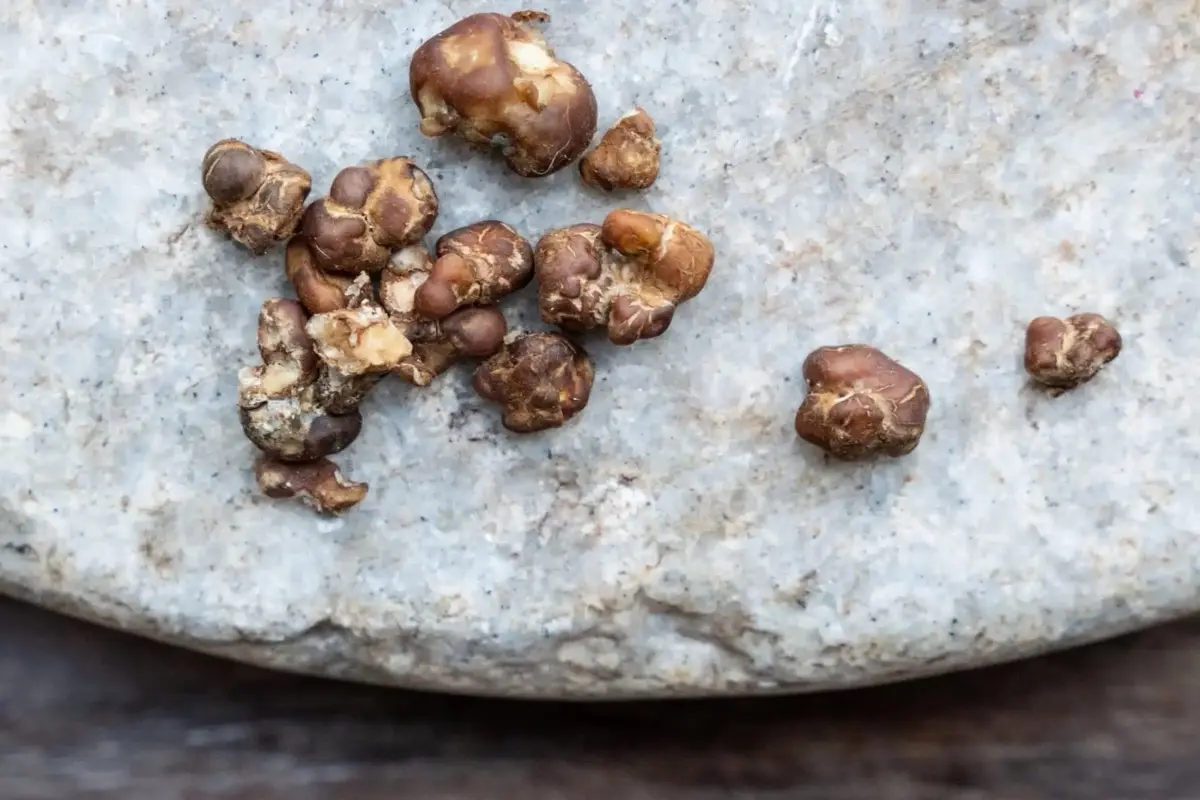



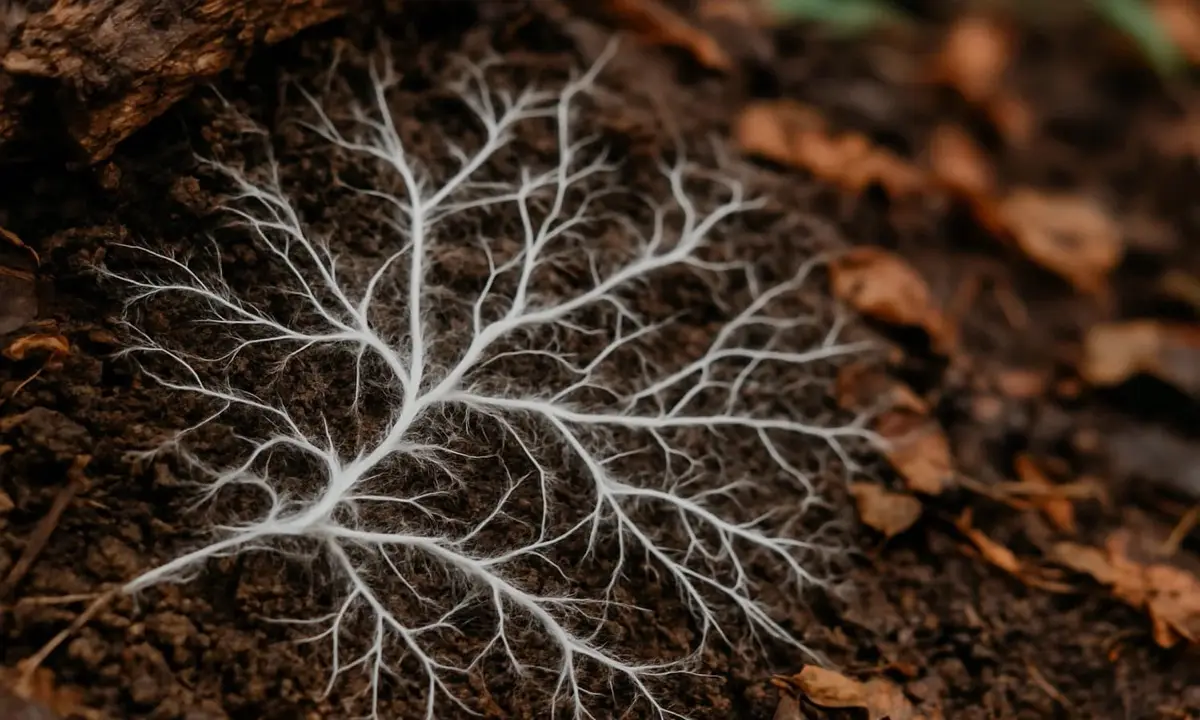

Psilocybin fungi express multiple body plans during one life cycle: microscopic spores, threadlike mycelium, above ground mushrooms, and underground sclerotia. Dutch law cares about which form sits on a shop shelf; ecology cares about how each structure helps the organism survive. This article traces the sequence from germination to harvestable truffle, clarifying vocabulary that tourists, mycologists, and retreat educators use differently.
Product comparisons belong in the magic mushrooms versus magic truffles guide. Botanical definitions of sclerotia continue in sclerotia explained: not botanical truffles.
Spore germination and early hyphae
Sexual spores land on moist substrate, absorb water, and send out hyphal threads. Compatible hyphae fuse, forming dikaryotic mycelium with two nuclei per cell. At this stage the colony is invisible except as a white film on grain or soil. Contamination competition is fierce; sterile technique exists because bacteria and molds race the Psilocybe network.
Species identity is fixed at spore lineage yet expression remains plastic. The same genotype can later produce mushrooms, sclerotia, or mostly vegetative growth depending on environment.
Vegetative mycelium as the default state
Mycelium secretes enzymes that digest lignin, cellulose, or starch in substrate. Nutrients flow through hyphal highways toward growing tips. In cultivation bags mycelium feels like a cottony mat binding grain particles. This stage can persist weeks while colonization completes.
Alkaloids accumulate in living hyphae though concentrations are usually lower than in mature sclerotia or caps. Researchers cataloguing Psilocybe on MycoBank note that tissue type must be recorded beside species name in chemical studies.
Environmental triggers for fruiting bodies
Mushroom formation needs fresh air exchange, slight temperature drop, light cues, and a consolidated substrate surface. Pins swell into caps that sporulate sexually. Fruiting disperses spores widely, the classic reproductive strategy for basidiomycetes in open forests.
Fresh psilocybin mushrooms were common in Dutch smart shops until 2008 policy shifted retail toward sclerotia. Mycelium biology did not change; regulation selected which morphology could be sold.
When mycelium builds sclerotia instead
Sclerotia are hardened mycelial aggregates storing lipids and glycogen. They form when growth is nutrient rich yet fruiting is blocked by high CO2, darkness, or prolonged stress. The fungus banks resources until surface conditions improve.
Metabolism papers such as those indexed under sclerotia pharmacology literature document alkaloid presence in storage tissue. Agricultural science at Wageningen studies similar survival structures in crop pathogens, offering analogies for humidity and temperature control even though psychedelic species are niche.
Transitions between modes in nature
In temperate grassland, liberty caps fruit annually while buried sclerotia are less prominent for some species. In sandy soils, tampanensis may persist primarily as storage bodies that eventually give rise to mushrooms after rains. Indoor growers manually flip parameters to stay in sclerotium mode for commercial months.
Understanding transitions prevents myths that truffles are separate organisms. They are the same individual fungus expressing a backup plan.
Alkaloid distribution across life stages
Reviews in Psilocybe chemistry compendia show psilocybin in caps, stems, sclerotia, and sometimes broth grown mycelium, with percentages varying more by stage and stress than by moralized ideas about natural purity. Drying, light, and age shift psilocin faster than psilocybin.
Retreat dosing must account for tissue type and moisture, not only species Latin name.
Why retreats standardize on sclerotia
Sclerotia ship refrigerated with predictable weights and lower visual resemblance to gourmet or toxic mushrooms. Facilitators can teach one product morphology. Mycelium slurry or grain spawn never appears on menus because it is not a consumer facing tissue and may harbor substrate allergens.
Guests curious about mushrooms still benefit from life cycle literacy when reading science news or comparing illegal markets abroad.
Observing life cycle without home cultivation
Microscopy workshops and museum mycology exhibits demonstrate spores and hyphae without encouraging illegal grows. Photographs in field guides show fruiting stages of European Psilocybe species for identification education, not harvesting encouragement.
Linking each stage to legal status in the Netherlands reduces accidental law breaking by tourists who assume any fungal part is equivalent.
Mycelium in liquid culture
Research labs grow psilocybin producing mycelium in stirred tanks for metabolite studies. That form never reaches tourists. Liquid broth alkaloid profiles differ from sclerotia and caps, reminding readers tissue type dominates chemistry.
Commercial supply chains stop at sclerotium harvest for legal and practical reasons.
Teaching life cycles in retreats
Educators use diagrams showing mycelium networks underground with occasional mushrooms above. Guests understand why truffles feel lumpy and wet compared with cap photographs in vintage books.
Clarity reduces shame or confusion when first time users expect mushroom shaped product.
Nutrient flows between mycelium and storage organs
Hyphae transport sugars into swelling sclerotia while fruiting caps draw from the same network. Blocking mushrooms redirects investment rather than pausing metabolism.
Growers track substrate consumption as bag weight loss. Consumers experience the end state as dense truffle tissue.
Spores as the reset button
Mature mushrooms release millions of spores that can germinate elsewhere if substrate escapes containment. That reproductive insurance explains why spent grow bags face regulated disposal. Tourists who never see fruiting bodies still consume tissue derived from the same genetic individual that could have sporulated under different CO2 levels.
Spore prints from wild collections belong in identification courses, not kitchen dosing scales.
Comparing life stages under a microscope
Hyphae appear as branching threads with clamp connections visible at high magnification. Sclerotium sections show densely packed cells filled with storage granules. Cap tissue displays basidia bearing spores on gill surfaces. Each view confirms one fungus wearing different anatomies rather than separate species stacked in a pouch.
Museum mycology displays often mount these three tissues side by side for education without promoting cultivation.
Historical shift in Dutch retail morphology
Before 2008 policy favored sclerotia on shelves, consumers encountered mushroom caps with stems intact. Facilitators who trained during that era remember different preparation rituals and faster spoilage windows. Biology did not rewrite itself; regulation selected which expression reached tourists.
Reading vintage guidebooks requires translating mushroom era advice into sclerotium era storage and dosing norms.
Death and dormancy of mycelial networks
When substrate nutrients exhaust or contamination wins, mycelium senesces and alkaloid content drops. Harvest timing targets peak storage organ fullness before decline. Consumers who never see the bag interior still benefit from knowing that old truffles feel hollow or smell sour because the underlying network collapsed.
That biological clock parallels produce ripeness more than shelf stable supplement logic.
Guest expectations about mushroom shape
First time buyers sometimes expect cap and stem morphology because art and vintage books show fruiting bodies. Educators who explain sclerotia as stored mycelium reduce disappointment and unsafe attempts to find mushroom shaped alternatives illegally.
Quality audits visitors never see
Wholesale random sampling for moisture and microbial counts happens behind closed doors. Tourists interpret stockouts as hype cycles when growers actually quarantine contaminated rooms. That invisible quality layer explains calmer microbiology at licensed retreats than impulse late night purchases.
Conclusion
Mycelium, mushrooms, and sclerotia are sequential or alternative expressions of one psilocybin fungus. Spores start the cycle; environment steers the outcome. Read sclerotia definitions for retail vocabulary and mushroom versus truffle comparisons for dosing implications, remembering that biology crosses labels even when law does not.
UNLOCK THE MIND. ELEVATE THE SELF.