


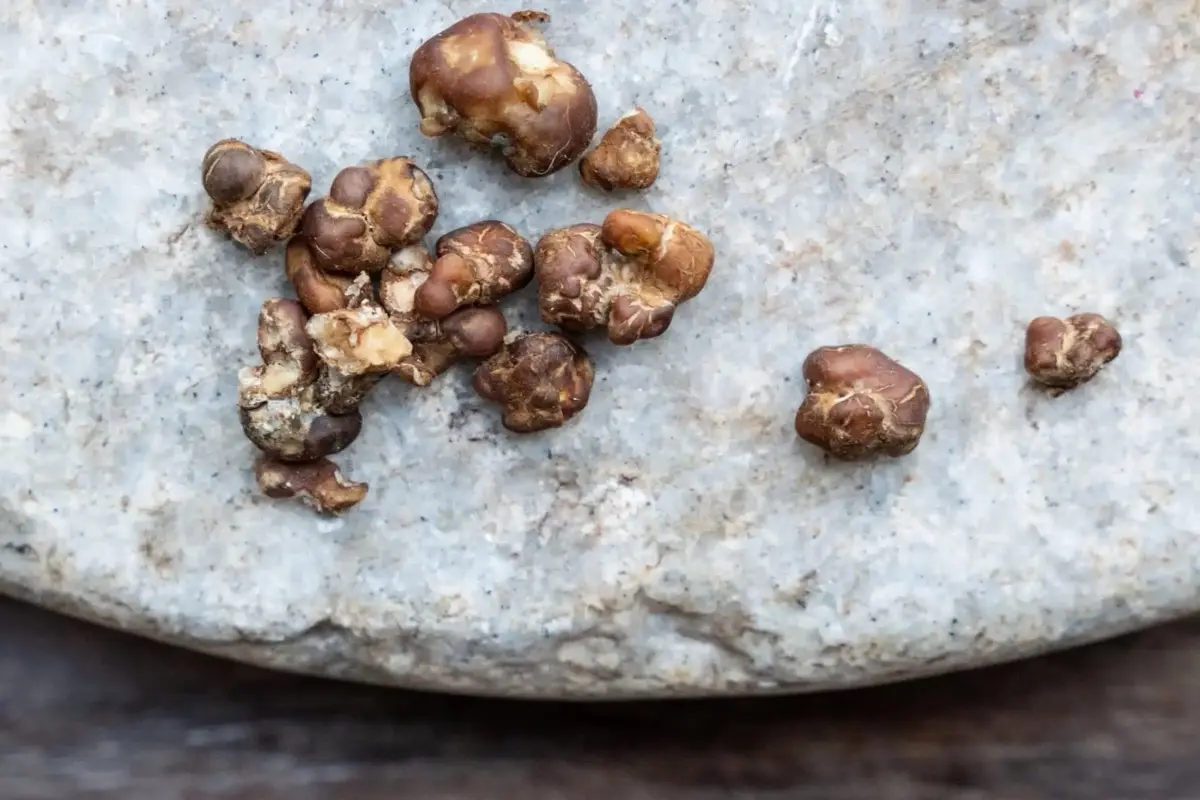

Walk into a Dutch smart shop and you will see products labeled magic truffles. The word truffle evokes black Perigord fungi scraped from oak roots, yet what you are buying is something else entirely: a sclerotium, a dense underground storage body formed by certain psilocybin-producing fungi. Understanding that distinction matters for safety, legality, and realistic expectations about potency and preparation. This article explains what sclerotia are in mycological terms, why retailers borrow the truffle name, and how they relate to the fruiting bodies most people picture when they hear magic mushrooms.
If you are new to the topic, our complete guide to mushrooms versus truffles compares effects, dosing, and legal context in the Netherlands. For product background, see our overview of magic truffles as used in retreats and education. The sibling article on mycelium versus sclerotium life cycles goes deeper into how fungi switch between growth modes.
What mycologists mean by sclerotium
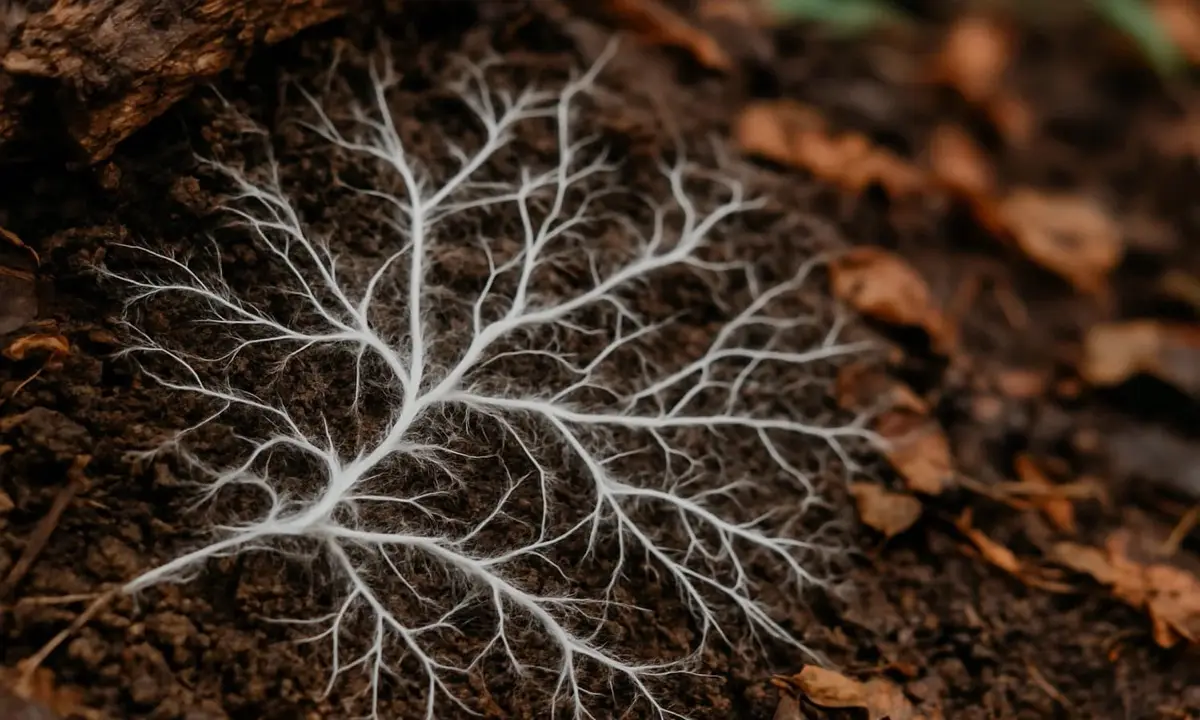
A sclerotium is a hardened mass of mycelium that stores nutrients and water when environmental conditions are unfavorable for mushroom formation. Botanists and mycologists describe it as a survival structure, not a reproductive spore-bearing organ. In species such as Psilocybe tampanensis and Psilocybe mexicana, sclerotia can grow to several centimeters underground or at the substrate surface while the visible mushroom cap may never appear in cultivation trays.
The tissue is rich in glycogen, lipids, and water. That composition explains why fresh magic truffles feel firm and moist compared with dried mushroom caps. Taxonomic databases such as MycoBank list these species with both fruiting-body and sclerotium-forming strains, confirming that the psychedelic alkaloids occur in both structures, not only in caps and stems.
Why they are not botanical truffles
True truffles belong to the genus Tuber and related ascomycetes. They are gourmet fungi that form symbiotic relationships with tree roots and are located by scent rather than conventional mushroom foraging. Magic truffles share only a vague resemblance in shape and the fact that both grow below the surface. There is no taxonomic relationship, no shared culinary tradition, and no overlap in active compounds.
Marketing language adopted the truffle label because Dutch vendors needed a consumer-friendly term after fresh psilocybin mushrooms were restricted. The name stuck in English and tourist channels even though mycology textbooks would call the product sclerotia or philosopher stones in older slang. Clarity reduces confusion for travelers who might otherwise expect a culinary fungus.
Psilocybin distribution in sclerotia versus mushrooms
Peer-reviewed work summarized in reviews of Psilocybe chemistry shows that psilocybin and psilocin concentrations vary by species, strain, growth stage, and whether tissue is fresh or dried. Sclerotia are not automatically weaker or stronger than mushrooms from the same species. What changes is water content: fresh truffles are mostly water by weight, so gram-for-gram comparisons with dried mushrooms mislead unless you adjust for moisture.
Laboratory analyses in cultivation literature note that alkaloid profiles in sclerotia parallel those in fruiting bodies when genetics and substrate are controlled. Retail packaging that lists only fresh weight without dry-matter percentage makes cross-product comparison difficult. That is one reason structured dosage guidelines for magic truffles emphasize starting conservatively and using labeled strength tiers rather than guessing from appearance alone.
Cultivation and commerce in the Netherlands
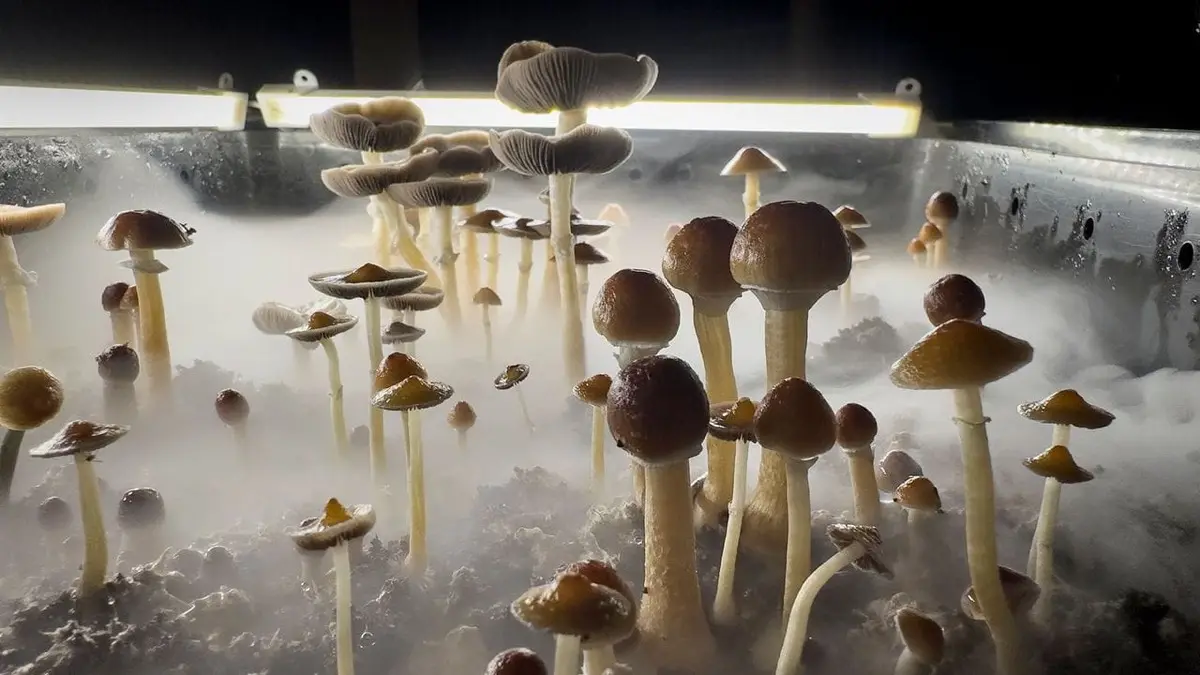
Dutch growers produce sclerotia in sterile grain or compost substrates inside climate-controlled rooms. The process favors conditions that trigger storage-body formation: stable temperature, high humidity, limited fresh air exchange, and extended incubation before harvest. Fruiting is optional for commercial sale because sclerotia are the legal product form under current policy.
European drug monitors including the EMCDDA document that the Netherlands permits sale of psilocybin-containing sclerotia while prohibiting fresh psilocybin mushrooms. The regulatory split is political and historical rather than pharmacological. From a mycological perspective both tissues contain the same primary active compounds.
Identification and safety implications
Because sclerotia look like small lumpy stones, they are less easily confused with deadly wild mushrooms than caps on a forest floor. That does not eliminate risk for people who forage wild Psilocybe species or buy from unregulated sources. Misidentification remains a leading cause of mushroom poisoning globally. Educational resources from NIH reference summaries on psilocybin stress that psychoactive fungi should never be identified by color alone.
Legal truffles sold in sealed packaging with strain names, harvest dates, and vendor traceability offer a different risk profile than anonymous dried mushrooms. They still require respect for set, setting, and medical screening. Sclerotia are not safer because of their shape; they are easier to dose consistently when labeling is honest and storage guidelines are followed.
Storage, texture, and preparation notes
Fresh sclerotia spoil faster than dried mushrooms if left at room temperature. Refrigeration slows bacterial and mold growth. Some users report earthier flavor and denser texture compared with mushroom tea. Grinding for lemon tek or tea extraction works similarly because alkaloids are water soluble after cellular disruption. Drying reduces weight dramatically; potency per dry gram rises even if total alkaloid content is unchanged.
Research on fungal metabolism in published pharmacology literature reminds readers that heat, light, and prolonged storage degrade psilocin faster than psilocybin. Treat sclerotia as perishable biological material, not shelf-stable supplements.
How sclerotia fit the wider fungal life cycle
In nature, sclerotium formation allows Psilocybe species to survive dry seasons and fire cycles. When moisture returns, the storage body can either sprout mushrooms directly or release new mycelium into soil. Indoor growers hijack that pathway by maintaining stress signals long enough to harvest sclerotia at commercial size. Agricultural universities such as Wageningen University and Research study fungal storage organs in crop pathogens; parallel biology applies even though psychedelic species are a niche crop.
Readers planning a retreat or self-education path benefit from treating sclerotia as one morphological form of the same organism, not a separate drug class. Legal framing, tourist language, and shop menus use truffle, but science uses sclerotium. Holding both labels reduces misunderstanding when reading Dutch policy, English blogs, and mycology papers side by side.
Terminology for travelers and researchers
English-language forums alternate between magic truffles, psilocybin truffles, sclerotia, and philosopher stones. Dutch shops may use paddos for mushrooms historically while reserving truffels for sclerotia products. French and Spanish retreat clients often arrive with different vocabulary again. Aligning terms before a group session prevents dosage mix-ups when one person means dried mushrooms and another means fresh wet sclerotia weighed on a kitchen scale.
Scientific papers rarely use truffle in titles; they specify species and tissue type. When cross-reading tourist blogs and PubMed abstracts, translate labels deliberately rather than assuming interchangeable potency. Retreat educators who explain sclerotium biology in plain language report fewer adverse surprises than programs that only repeat marketing slogans.
Conclusion
Magic truffles are psilocybin-containing sclerotia, not underground gourmet truffles. They store nutrients for the fungus, carry psilocybin and psilocin in concentrations that depend on genetics and moisture, and dominate legal retail in the Netherlands for regulatory rather than chemical reasons. Learn the mycology once, then use strain labels, dosage frameworks, and proper storage to translate that knowledge into safer practice. For the next step in the cluster, continue with the life cycle comparison between mycelium and sclerotium and keep the mushroom-versus-truffle guide bookmarked when explaining the topic to newcomers.
UNLOCK THE MIND. ELEVATE THE SELF.