



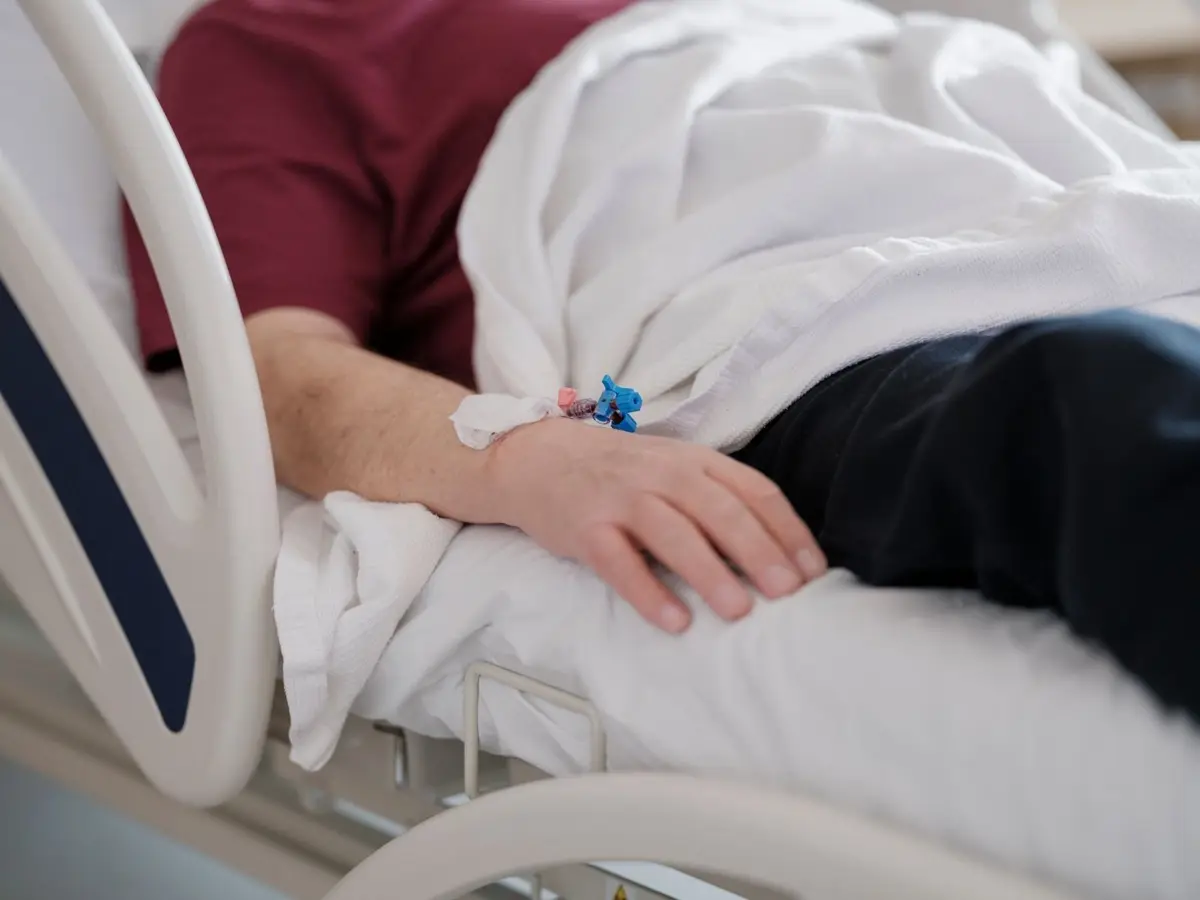

A cancer diagnosis can trigger persistent anxiety, depression, and existential distress that standard medications only partially relieve. Over the past fifteen years, university teams have tested whether psilocybin assisted psychotherapy can help patients facing life threatening illness process fear, regain emotional balance, and improve quality of life during treatment or palliative care. Landmark studies led by Charles Grob at UCLA and Stephen Ross at NYU Langone Health published in peer reviewed journals provide the core evidence base. This article explains what those trials measured, what outcomes they reported, where limits remain, and how clinical research differs from informal use of magic truffles in retreat settings.
Why end of life distress became a research priority
Oncology patients often live with uncertainty about prognosis, treatment side effects, and the meaning of remaining time. Anxiety and depression in this population correlate with worse adherence to care, increased pain perception, and strained family relationships. Benzodiazepines and SSRIs help some patients but may cause sedation, emotional blunting, or incomplete relief. Psychotherapy remains valuable yet can be difficult when existential fear feels overwhelming.
Researchers hypothesized that a carefully supported psilocybin session might allow patients to confront mortality with reduced defensive avoidance. The model draws on mid twentieth century studies of LSD in terminal illness, updated with modern safety monitoring, structured psychotherapy, and validated rating scales. Regulators still classify psilocybin assisted therapy as investigational outside approved trial or compassionate use pathways.
Grob 2011: the UCLA pilot in advanced cancer
The 2011 Archives of General Psychiatry study led by Charles Grob enrolled twelve adults with advanced stage cancer and clinically significant anxiety. Participants received a single moderate dose of psilocybin or niacin placebo in a crossover design with extensive psychological preparation and integration sessions. Primary outcomes included anxiety scores on the State Trait Anxiety Inventory and mood measures tracked over six months.
Published results reported significant reductions in anxiety at one and three months after psilocybin relative to placebo, with no serious adverse events in this small sample. Participants described increased acceptance, reduced fear of death, and renewed connection to family and spirituality. The study was open label in structure for each treatment period and included only twelve participants, so definitive causal claims require caution. Still, the trial demonstrated feasibility in medically ill patients and influenced ethics board approval for larger studies.
Grob's team emphasized medical screening: unstable cardiac conditions, active psychosis, and certain medications were excluded. Session rooms resembled comfortable living spaces with trained monitors present throughout. This protocol template reappears in later cancer anxiety trials at Hopkins and NYU.
Ross 2016: NYU Langone randomized trial
Stephen Ross and colleagues at NYU Langone Health published a larger 2016 Journal of Psychopharmacology trial randomizing twenty nine cancer patients with existential distress to a single psilocybin session or niacin placebo. The trial used double blind methods knowing that perfect blinding is challenging with psychedelics. Participants received preparatory psychotherapy addressing expectations, safety, and relationship to illness.
One day after the session, anxiety and depression scores dropped sharply in the psilocybin group compared with placebo. Benefits persisted at six month follow up for many participants. A seven week follow up paper in 2016 Journal of Psychopharmacology reported sustained improvements in demoralization and hopelessness. Qualitative interviews described transformative experiences: patients reframed illness narrative, resolved unfinished emotional business, and reported decreased fear of dying.
Adverse events were mostly transient during the session itself: anxiety peaks, nausea, transient blood pressure elevation managed with reassurance and grounding. Serious psychiatric destabilization did not occur in this screened cohort. Ross argued that a single session model could be practical in oncology settings where repeated hospital visits are burdensome.
Hopkins and the expanding evidence base
Johns Hopkins investigators led by Roland Griffiths published related work in 2016 on psilocybin in psychologically distressed cancer patients, reporting large decreases in depression and anxiety with effects lasting six months or longer for many participants. A subsequent 2020 meta analysis in Applied Psychology Health and Well Being pooled cancer related distress trials and found consistent short to medium term improvements in anxiety and depression scores across studies, while noting heterogeneous methods and small samples.
These converging datasets encouraged multisite trials and hospice ethics discussions. They did not establish psilocybin as standard oncology care. No regulatory authority has approved psilocybin specifically for cancer related anxiety as of 2026. Access remains limited to clinical trials, expanded access programs where available, and non medical retreat contexts that fall outside the evidence framework.
Longitudinal interviews from NYU and Hopkins cohorts describe improved quality of life, better sleep, and reduced preoccupation with illness even when objective prognosis unchanged. Researchers note that psychological relief does not extend life expectancy but may help patients use remaining time more intentionally.
Oncology social workers sometimes co facilitate integration when family conflict or legacy planning dominates session themes. That interdisciplinary model reflects palliative care values more than standalone psychedelic tourism.
Proposed mechanisms and therapeutic process
Psilocybin acts primarily as a serotonin 5 HT2A receptor agonist, temporarily altering functional connectivity within brain networks linked to self referential rumination and fear conditioning. Participants often report mystical type experiences characterized by unity, transcendence, and emotional release. In cancer populations, clinicians hypothesize that such experiences help patients decatastrophize death, reconcile relationships, and re engage with present moment life.
The psychotherapy wrapper matters. Preparation sessions build trust, clarify intentions, and teach coping strategies if fear arises during dosing. Integration sessions help translate insights into communication with loved ones and care teams. Trials suggest that psychological support is not optional decoration but part of the intervention model under study.
Safety, exclusions, and clinical boundaries
Cancer trials exclude unstable cardiovascular disease, uncontrolled hypertension, active psychosis, and certain drug interactions. Our overview of psilocybin contraindications explains overlapping concerns relevant to patients considering any psilocybin exposure. Psilocybin is not a substitute for oncologic treatment, pain management, or psychiatric care for severe mood disorders.
Retreat settings in the Netherlands may serve adults seeking introspective experiences with legal psilocybin retreats, but they typically lack oncology specific screening, double blind outcome measurement, and hospital emergency infrastructure. Readers should not equate retreat participation with enrollment in a Grob or Ross protocol.
Multisite replication will clarify whether benefits observed in academic cancer centers translate to community oncology practices with diverse populations. Future trials may compare psilocybin assisted therapy with meaning centered psychotherapy alone to clarify added value of the medication component. Until those comparator data exist, clinicians should present psilocybin oncology research as promising but still preliminary for standard care.
Multisite replication and hospice ethics
Following Grob and Ross, multisite oncology trials began discussing whether psilocybin assisted therapy belongs in inpatient palliative units or only outpatient research clinics. Ethics committees weigh beneficence against placebo withholding when patients face limited prognosis. Informed consent documents explain that mystical experiences are common but not guaranteed, and that anxiety peaks during sessions may require therapist grounding.
Hospice chaplains and palliative psychiatrists sometimes co-facilitate integration when spiritual crisis or family conflict dominates session themes. That interdisciplinary model reflects palliative care values rather than standalone psychedelic tourism.
Future comparator trials in oncology
Researchers debate whether psilocybin assisted therapy offers added benefit beyond meaning centered psychotherapy alone in cancer populations. Comparator trials with adequate blinding remain difficult yet necessary before regulatory discussions advance in oncology specific indications.
Peer reviewed follow up publications remain essential before community oncology adoption.
Additional clinical context
Hospice and palliative care teams increasingly discuss psychedelic trials in ethics rounds because patients ask about media reports.
Rating scales in cancer anxiety trials include HADS, STAI, and demoralization measures for medically ill populations.
Cross cultural translation of preparation manuals matters when trials expand beyond North America.
Insurance systems lack reimbursement codes for psilocybin psychotherapy in oncology as of 2026.
Family members sometimes join integration sessions to improve advance directive conversations.
Hospital psychologists distinguish existential distress from major depression using specialized instruments.
Ethics committees require extended follow up when projected survival exceeds twelve months at enrollment.
Oncology nurses document vital signs before and after psilocybin sessions when trials occur in hospital affiliated suites.
Meaning centered psychotherapy trials may serve as active comparators in future oncology psychedelic studies.
Patients with longer projected survival raise distinct ethical questions about placebo duration in palliative protocols.
Consent forms describe possible anxiety peaks requiring therapist grounding during oncology psilocybin sessions.
Summary
Psilocybin assisted therapy for anxiety in life threatening illness rests on a small but influential set of university trials, especially Grob 2011 at UCLA and Ross 2016 at NYU Langone, complemented by Hopkins and meta analytic follow ups. Reported benefits include rapid and sustained reductions in anxiety and existential distress for many participants, alongside manageable acute session effects in screened cohorts. Sample sizes remain modest, blinding is imperfect, and long term durability beyond one year requires further study. Medical decisions belong with oncology and psychiatry teams, not with informal ceremony providers. Readers comparing clinical models with retreat formats should also consult our Imperial College London research summary and coverage of alcohol use disorder trials, which share therapist dyads and integration focus while targeting different diagnoses.
UNLOCK THE MIND. ELEVATE THE SELF.