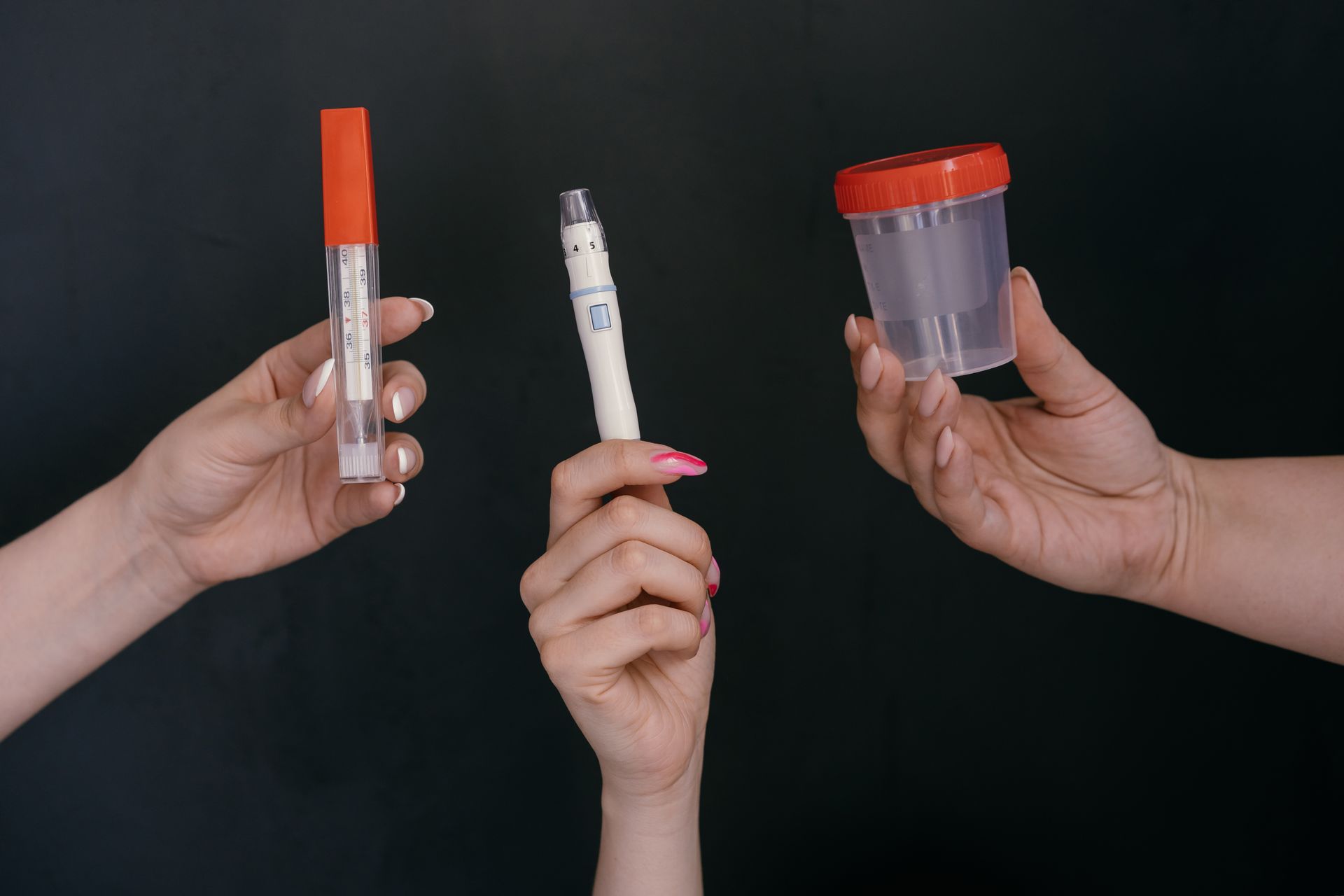





Toxicology laboratories detect psilocybin exposure by targeting psilocin and its glucuronide conjugates in blood and urine rather than the parent phosphate ester, which disappears quickly after oral ingestion. Detection windows depend on dose, hydration, assay sensitivity, and whether sample prep includes enzymatic hydrolysis to liberate conjugated metabolites. This article explains which analytes appear in forensic panels, how workplace screening differs from research grade LC MS methods, and why subjective effect duration should not be confused with laboratory positivity.
Half life summaries for lay readers appear in how long psilocybin stays in your system. Employment policy context for the Netherlands is covered in workplace drug testing and psilocybin. Broader pharmacology spans health and science articles on psilocybin.
From psilocybin to urinary metabolites
Alkaline phosphatases in the gut and liver cleave psilocybin into psilocin, the species that binds serotonin receptors and also undergoes glucuronidation for renal elimination. Monoamine oxidase further oxidizes psilocin into inactive polar products. Urine therefore contains parent psilocin only briefly while conjugates may persist somewhat longer depending on assay cutoff values described in human psilocybin metabolism studies.
Without hydrolysis steps, immunoassays under report total exposure because conjugated fractions remain invisible. Forensic labs that add beta glucuronidase before analysis extend detection modestly, a detail relevant when interpreting negative workplace screens after high dose retreats.
Blood versus urine sampling roles
Blood draws capture acute intoxication windows useful in emergency departments evaluating agitation or accidental pediatric ingestion. Peak psilocin concentrations align with behavioral peak effects yet fall below detection thresholds within hours for standard recreational doses. Urine offers longer retrospective windows suited to workplace or probation monitoring when specialized psychedelic panels exist, which standard five panel immunoassays usually omit.
Research protocols at Johns Hopkins psychedelics research time blood sampling to pharmacodynamic substudies; those schedules are tighter than occupational health norms.
Assay technologies and cutoff debates
Immunoassays trade specificity for throughput, sometimes cross reacting with unrelated indoles at high concentrations. LC MS confirmatory methods quantify psilocin and glucuronide with better specificity yet cost more and appear mainly in forensic reference labs. Cutoff concentrations in nanograms per milliliter determine whether a casual truffle weekend triggers positivity two days later; published cutoffs vary between countries.
European monitoring summaries in EMCDDA technical reports note that psilocybin testing is not part of routine driving under the influence panels in most member states, though specialized cases exist after traffic stops involving disclosed use.
Hair, oral fluid, and exotic matrices
Hair testing can in principle document repeated exposure over months because indole metabolites incorporate into keratin slowly. Data for psilocybin specifically are sparse compared with cannabis or cocaine literature. Oral fluid devices face similar sensitivity limits as blood for acute windows. These matrices remain research or niche forensic tools rather than standard employer kits tourists encounter.
Marketing claims that mushrooms never appear on drug tests oversimplify panel design. Absence from five panel screens does not mean undetectable in targeted forensic workflows commissioned after incidents.
Clinical trial toxicology expectations
Sponsors filing investigational new drug packages reference FDA psychedelic clinical trial guidance when describing how adverse events and concomitant substance use are tracked. Synthetic psilocybin capsules produce predictable metabolite curves useful for validating bioanalytical methods. Whole truffle sessions introduce dietary and fungal matrix effects less studied in occupational toxicology.
Participants in trials receive clear rules about reporting other drug use before sample collection; retreat tourists lack equivalent counseling yet may still face contractual testing at home employers.
Interpreting timelines for travelers
Subjective afterglow can last twenty four hours while urine immunoassays for psilocin often turn negative within a day for moderate doses under typical cutoffs. Anxiety about testing should rely on occupational policy articles such as workplace drug testing in the Netherlands rather than forum anecdotes claiming month long detection from single sessions.
Hydration manipulations to dilute urine are detectable via creatinine measurements in validated programs and may trigger retest policies. Ethical preparation emphasizes scheduling retreats before contractual testing windows when policies are strict.
Emergency department scenarios
Emergency clinicians order targeted panels when ingestion is disclosed. Negative standard drug screens do not rule out psilocybin; explicit requests for psilocin testing must reach reference laboratories. Supportive care remains primary because intoxication is usually time limited.
Research versus occupational cutoffs
Research assays detect lower concentrations than occupational kits calibrated to reduce false positives. Comparing a friend's forensic internship story with your workplace five panel confuses two calibration philosophies.
Sports and athlete testing panels
World Anti Doping Agency schedules evolve independently of employer five panel screens. Athletes should consult federation medical officers because psilocybin may appear on prohibited lists even when recreational enforcement is rare. Detection technology upgrades periodically expand analyte menus without public fanfare.
Post accident forensic requests
After traffic accidents, police may request broad toxicology if behavior suggested intoxication. Psilocin may be targeted when mushrooms are found in vehicle. Negative ethanol does not end investigation when other substances remain plausible.
Prescription drug interactions in tox screens
Some psychiatric medications share metabolic pathways or cross react in immunoassays, complicating interpretation when employers demand testing soon after retreats. Document prescribed medications before collection when allowed.
Occupational testers and hospital toxicologists use different cutoff calibrations, so a negative workplace screen does not rule out psilocin on research assays.
Summary
Psilocybin toxicology focuses on psilocin and glucuronide metabolites in blood and urine with detection windows shorter than myth suggests for standard panels. Assay type and hydrolysis prep matter. Read toxicology and metabolism reviews, EMCDDA monitoring context, FDA trial standards, and Johns Hopkins sampling practices, then review half life primer, workplace testing policy, and related health science coverage.
UNLOCK THE MIND. ELEVATE THE SELF.