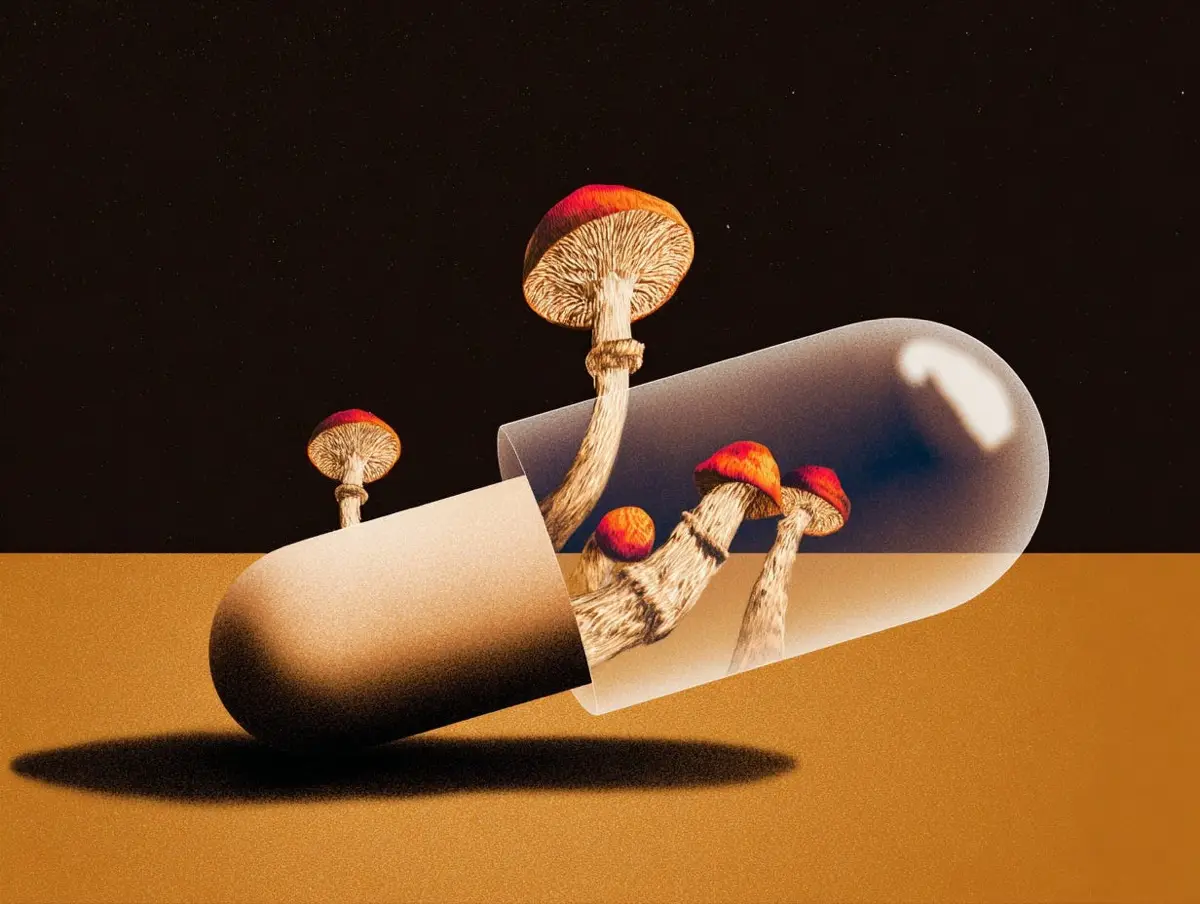



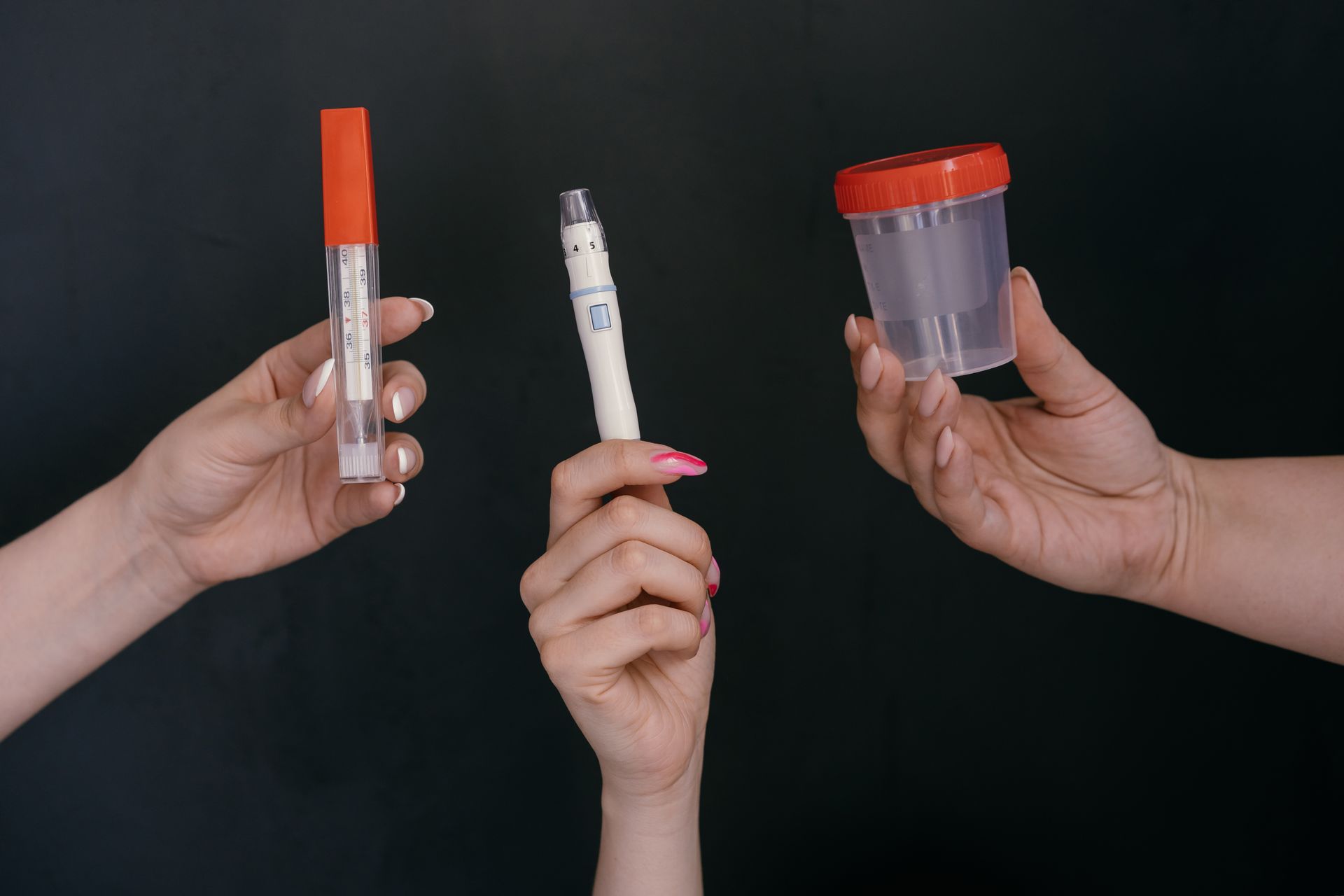

Workplace drug testing in the Netherlands intersects awkwardly with truffle tolerance. Domestic law may tolerate personal psilocybin use in private settings, yet employers, especially multinationals, can still screen metabolites under contract, sector rules, or safety policies. International retreat guests who return directly to work face detection windows, privacy limits, and HR consequences that Dutch smart shop signage never mention. This article explains typical testing panels, psilocin metabolite timing, and employee rights frameworks without treating a retreat as employment advice. Review medical contraindications and Netherlands truffle legislation before scheduling time off, and read travel insurance and psilocybin retreat exclusions for parallel travel policy gaps.
How common workplace testing is in the Netherlands
Unlike some countries with mandatory federal testing programs, Dutch workplace screening is sector driven and contract specific. Transport, aviation, offshore energy, construction, healthcare, and police roles face stricter norms than general office employment. Government.nl labor guidance describes employee rights and employer duties in broad terms rather than mandating universal psilocybin panels.
Multinational corporations headquartered outside the Netherlands may apply home country HR policies to Dutch branches, including random urine or oral fluid tests that local tolerance politics do not override.
A retreat participant employed remotely for a US firm while living in Amsterdam can therefore face testing standards disconnected from Dutch Opium Act enforcement priorities.
Standard panels and whether psilocybin appears
Many employers use five or ten panel urine screens focused on cannabis, cocaine, amphetamines, opioids, and sometimes benzodiazepines or barbiturates. Psilocybin is not always included in inexpensive standard panels because detection windows are short and prevalence in workforce testing is low compared with cannabis.
Specialized forensic or post incident panels may add hallucinogen targets when behavior suggests psychedelic intoxication. Hospital blood tests after accidents can also screen broader substance classes regardless of workplace policy.
Assuming you will never be tested because psilocybin is absent from a basic panel is risky if your contract allows expanded testing after incidents or during security clearance renewals.
Metabolites, detection windows, and individual variation
Psilocybin converts quickly to psilocin, which is the primary analyte in many forensic methods. Urine detection for psilocin metabolites often spans roughly twenty four to forty eight hours for single moderate sessions in healthy adults, though published ranges vary by dose, hydration, and assay sensitivity.
Hair testing can detect longer histories but remains uncommon for routine employment screening except in some safety critical industries. Blood tests have the shortest relevance window and appear mainly in clinical or legal investigations rather than standard HR urine cups.
Retreat schedules that end Friday and expect Monday office attendance may fit inside typical urinary windows for many guests, yet individual metabolism, microdosing history, or polysubstance use extends risk unpredictably.
Safety sensitive work and contractual duties
Dutch law imposes duties on employees who operate machinery, care for patients, or supervise hazardous processes. Even without a positive urine test, showing impairment at work can trigger disciplinary processes independent of drug panels.
Collective labor agreements in transport sectors may require immediate reporting of substance related convictions or treatment episodes. Psilocybin retreats abroad do not automatically qualify as protected medical treatment unless disclosed under policies that recognize therapeutic participation, which remains rare in 2026 standard contracts.
If your role is safety sensitive, treat retreat timing like surgical recovery: plan explicit leave and avoid on call obligations during integration days.
Privacy, works councils, and GDPR context
Works councils (ondernemingsraden) consult on introduction of testing policies in many Dutch organizations. Employees generally must receive clear information about when tests occur, what substances are screened, and how results are stored.
European privacy law limits sharing health data with managers beyond pass fail summaries in many designs, yet failed tests still trigger HR workflows. Voluntary disclosure of retreat participation is a personal choice with no guaranteed protection unless your employer explicitly supports psychedelic therapy programs, which remain exceptional.
Government pages on government.nl explain general labor rights but cannot predict your employer handbook.
International remote workers and cross border HR
Retreat guests who live in the Netherlands but work for foreign companies may be subject to foreign testing vendors shipping kits to Dutch addresses. Legal permissibility of consuming truffles locally does not bind a foreign HR department evaluating compliance with zero tolerance policies.
Conversely, EU citizens returning to countries with stricter criminal law may face testing regimes tied to probation or security licenses unrelated to Dutch tolerance.
Our retreat experience overview stresses integration time; employment planning is part of integration when careers carry testing exposure.
Medical documentation and prescription confusion
Psilocybin truffles sold in Dutch smart shops are not prescriptions and do not generate pharmacy labels employers recognize as medical exemptions. Clinical trial participation elsewhere uses investigational product paperwork entirely separate from retreat truffles.
If you take legitimate prescription medications, coordinate with facilitators using medical contraindications guidance. Do not expect retreat invoices to function as medical excuses for HR unless your occupational health physician agrees, which is uncommon for psychedelic tourism.
The Medicines Evaluation Board CBG-MEB regulates authorized medicines; retreat truffles remain outside that framework.
Insurance overlap and incident reporting
Workplace incidents during detection windows may trigger both employer testing and insurer questions. travel insurance and psilocybin retreat exclusions explains how travel policies exclude psychoactive self injury or illegal acts; employer liability insurers apply different contractual tests.
An accident at work after a retreat weekend could produce parallel HR, insurance, and traffic investigations if you commuted while impaired. Separation of legal domains matters: passing Dutch tolerance questions does not settle employment or insurance disputes.
Document sober travel choices and follow facilitator guidance on minimum rest before operating equipment, whether or not your employer tests routinely.
Practical planning checklist for employees
Read your employment contract, collective agreement, and any drug policy appendices before booking flights. Schedule buffer days between ceremony end and return to safety sensitive duties exceeding published urinary windows if your policy allows random tests.
Avoid discussing illegal export or workplace evasion tactics in group chats; focus on lawful leave and personal health choices.
If you hold professional licenses tracked by bodies such as CBR for driving roles, remember motor and employer testing are separate but simultaneous risks.
Oral fluid versus urine panels
Some Dutch employers adopt oral fluid tests for speed, detecting parent drugs more than long metabolite chains. Psilocybin detection in saliva is less standardized than cannabis, producing variable corporate policies.
Urine remains dominant in union negotiated programs; know which matrix your contract specifies before interpreting detection window articles online.
Laboratory confirmation after initial immunoassay screen can use higher sensitivity thresholds that extend positive results.
Sector examples where testing is routine
Dutch port operators, airline ground staff, and offshore wind maintenance contractors frequently maintain zero tolerance clauses renewed annually with trade unions. Healthcare nurses with access to controlled medications may face testing after medication discrepancies even when psilocybin was never suspected.
Technology startups in Amsterdam often lack formal testing until US headquarters imposes global policies after funding rounds.
Construction subcontractors rotate workers across EU sites, triggering German or Belgian testing standards during cross border projects despite Dutch residence.
Map your industry before assuming Netherlands location equals Netherlands only HR rules.
Integration time as employment planning
Facilitators recommend one to three integration days without major decisions. Employment planning should add buffer when your contract requires on call availability, client facing presentations, or security clearance renewals.
Sleep disruption after ceremonies can mimic impairment even when metabolites fall below detection thresholds, affecting performance reviews unrelated to drug tests.
Honest leave requests citing personal wellness retreats without substance detail may suffice in progressive employers but fail in zero tolerance environments.
Pair scheduling conversations with our travel insurance article when employment and travel policies overlap during the same week.
Workplace testing FAQ
Question: Will my Dutch employer test for truffles? Answer: Unlikely in general office roles; more plausible in safety sectors or US owned firms.
Question: Can I refuse a lawful test? Answer: Refusal may equal failure under contract; seek union advice.
Question: Does medical cannabis card abroad matter? Answer: Dutch truffle purchases are not medical exemptions for HR panels.
Question: Should I tell HR I attended a retreat? Answer: Personal choice; honesty may help in progressive firms, harm in zero tolerance.
Question: Are home tests accurate predictors? Answer: Retail kits differ from employer cutoff levels; do not rely on them for compliance.
Employer policy review checklist
Download your employee handbook annex on substances before booking leave, noting random versus for cause testing triggers.
Confirm whether prescription medications you take legally are disclosed to occupational health separately from retreat participation.
Post retreat return to work
Schedule at least one calendar day between landing and safety sensitive shifts even if metabolites may have cleared.
Summary
Dutch truffle tolerance does not disable employer drug testing, especially for multinationals and safety critical sectors. Standard panels may omit psilocybin, but specialized and post incident tests can detect short lived metabolites. Union works councils may delay new testing policies; check whether a policy change is pending before your retreat dates. Plan leave, integration time, and sober commuting; consult medical contraindications, Netherlands truffle legislation, and travel insurance and psilocybin retreat exclusions before assuming workplace immunity.
UNLOCK THE MIND. ELEVATE THE SELF.