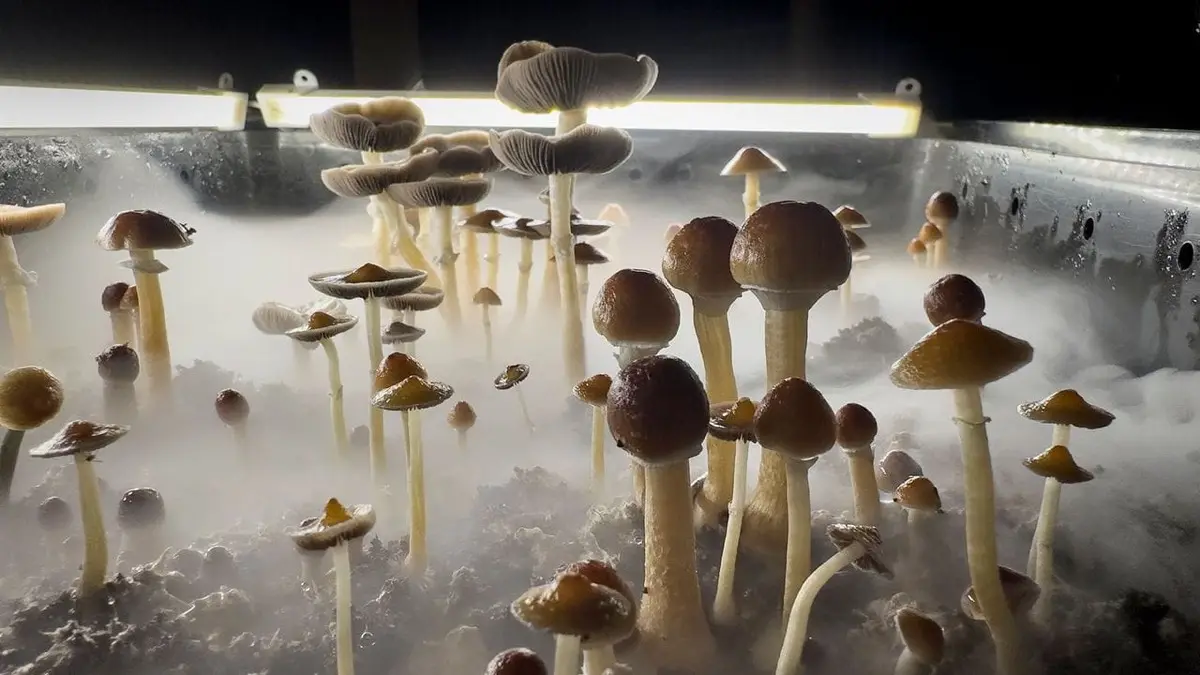



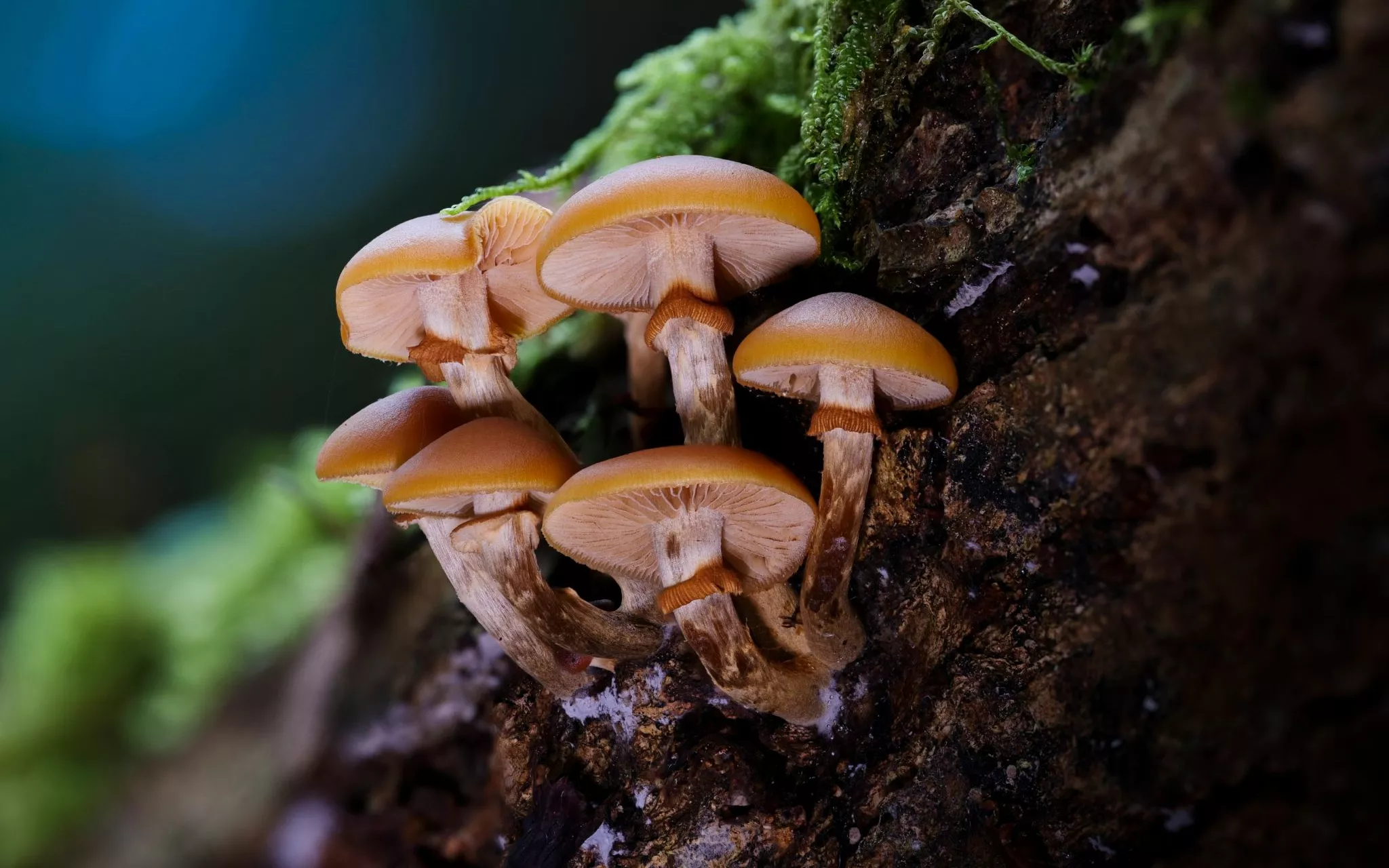

Fatal mushroom poisonings rarely involve psilocybin itself. They involve amatoxins and other lethal compounds in species that resemble liberty caps or wood loving Psilocybe on casual inspection. Foraging forums understate how often hospital mycologists see brown gilled mushrooms misidentified by confident beginners. This article maps the deadliest lookalike genera, symptom timelines, and why legal truffle retreats sidestep the foraging roulette entirely.
Field identification technique is covered in identifying psilocybin mushrooms in the wild. Medical screening before any psychedelic session belongs on the contraindications page.
Amatoxins and the delayed death pattern
Amanita phalloides, the death cap, and relatives in Galerina or Lepiota produce amatoxins that inhibit RNA polymerase II. Gastrointestinal distress appears, may pause, then liver and kidney failure follow days later. Victims sometimes leave hospital too early because temporary improvement feels like recovery.
Epidemiological reviews linked through mushroom toxin case literature document fatalities across Europe when pickers mixed toxic and psychoactive species in one basket. No home remedy reverses amatoxin damage; hospitalization is mandatory.
Galerina on wood chip mulch
Galerina marginata grows on the same urban mulch beds colonized by psilocybin wood lovers. Caps are small brown, gills brown, spore print rusty brown similar to many Psilocybe. Galerina contains amatoxins capable of killing adults at doses far smaller than a recreational psilocybin target.
Cluster growth habit and substrate overlap lure foragers who generalize from one correct identification last year. One bad year ends life.
Conocybe and other small brown mistakes
Some Conocybe species produce psilocybin yet sit beside lineages with dangerous alkaloids. Separating them requires microscopy beyond tourist skill sets. Innocent sounding lawn mushrooms may host gyromitrin or other toxins depending on region.
European public health networks including the EMCDDA track drug harms; mushroom poisonings appear in emergency data even where psilocybin policy is liberal for truffles.
Why color photos mislead
Lighting shifts cap hue. Wet caps look translucent; dry caps darken. Bruising blue appears in both psychoactive and irrelevant species. Social media identification threads vote on photos without spore prints, inventing confidence where uncertainty belongs.
Hospital mycologists need physical specimens or high resolution spore data. Call poison control or emergency services after any unknown ingestion; do not wait for psychedelic style visuals to confirm a mistake.
Symptom overlap with difficult trips
Nausea and confusion occur in psilocybin sessions and in early amatoxin poisoning. Delayed liver enzyme spikes distinguish the latter but only if clinicians suspect mushrooms. Guests mixing wild picks with retreat plans should disclose ingestion honestly; hiding foraging history wastes critical hours.
Retreat contraindications screen cardiovascular, psychiatric, and medication risks yet assume legal labeled truffles, not amateur mycology experiments.
Why sealed truffles reduce but do not zero risk
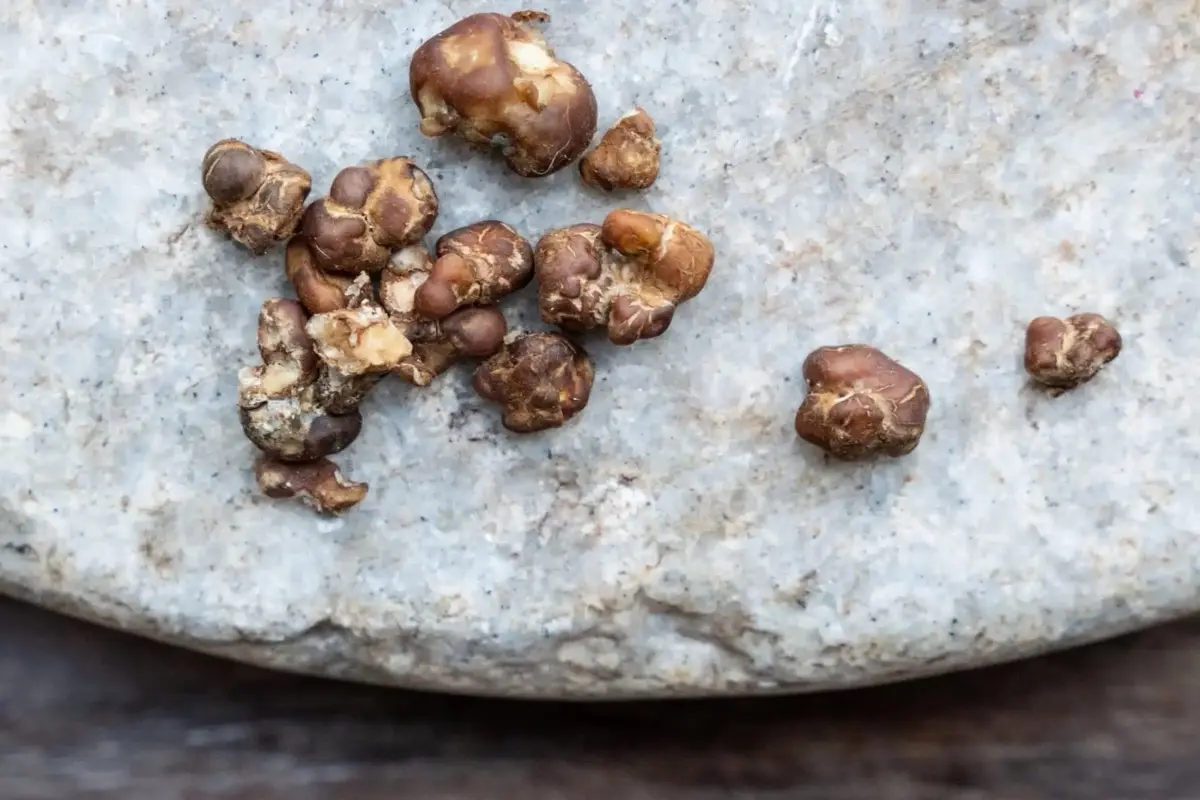
Vendor sclerotia rarely resemble death caps morphologically. Risk shifts toward spoilage bacteria, extreme dosing, or psychiatric contraindications instead of amatoxins. Food hygiene guidance from agencies like RIVM still matters because rotten truffles are not safe truffles.
Choosing legal product does not remove obligation to read medical screening lists.
Regional hot spots in northwestern Europe
Death caps associate with imported ornamental trees in parks. Liberty cap meadows neighbor cattle pastures where unrelated toxic species also fruit. Autumn weekends concentrate amateur pickers after first frost headlines. Hospitals prepare toxicology wards accordingly in mushroom seasons.
Tourists combining Amsterdam weekends with countryside foraging multiply exposure without local mentorship.
Education versus encouragement
Mycological societies teach toxic species first, not psilocybin hunting. The NIH psilocybin health summary discusses therapy research, not safe foraging, because no shortcut exists. Read wild identification safety to understand why experts demand multi trait keys.
Curiosity about fungi is healthy. Picking dinner from a park without a degree is not.
European poison center networks
Member states operate hotlines with mycology consultants during autumn peaks. Language barriers slow triage for tourists who cannot describe gill attachment locally.
Poison centers coordinate with hepatology units when amatoxin timers align. Early activation improves outcomes.
Hospital protocols after suspected amatoxin ingestion
Emergency departments freeze remaining mushroom fragments for toxin assays and start supportive care while consulting mycology networks. Activated charcoal timing matters; home remedies and milk folklore do not neutralize amatoxins. Honest timelines about when mushrooms were eaten determine whether liver transplant evaluation begins.
Guests who hide foraging history because they fear legal trouble sacrifice medical leverage. Clinicians need species hypotheses, not psychedelic stigma management.
Children, pets, and backyard curiosity
Toddlers explore lawns orally while parents picnic near foraging groups. Dogs eat mushroom pieces dropped from baskets. Pediatric poisonings spike in autumn alongside adult hobbyist seasons. Store any collected fungi locked and labeled toxic until identified or discarded.
Retreat centers with family programming should separate psychedelic education from any display of unidentified wild specimens.
Psychological aftermath of poisoning scares
Survivors of near miss identifications report anxiety around meals and hypervigilance in produce aisles unrelated to psychedelic integration work. Therapy for medical trauma differs from post session counseling. Distinguish poison control follow up from retreat integration circles.
Choosing sealed truffles does not eliminate mental health screening obligations documented on the contraindications page.
Misidentification case patterns in emergency data
Poison center registries cluster autumn weekends when inexperienced pickers confuse small brown mushrooms in shared baskets. Mixed collections are especially dangerous because one toxic cap poisons the entire stew. Single species baskets still fail when that species was misidentified from bruising alone.
European toxicology networks publish seasonal alerts that tourists never read before countryside detours from canal tours.
Interaction between truffle retreats and foraging tourism
Some visitors schedule legal truffle sessions then independently forage because curiosity was primed. The psychological bridge from regulated product to wild roulette is real. Retreat intake should ask about foraging plans and refer guests to identification education without encouraging harvest.
Combining both activities in one trip maximizes legal and medical exposure simultaneously.
Silibinin and evolving hospital protocols
European hepatology units update amatoxin protocols as evidence shifts. Early contact with poison control connects patients to centers that stock current antidote regimens. Delay while debating whether mushrooms were psychedelic wastes the narrow treatment window.
Activated charcoal timing windows
Emergency departments consider activated charcoal only within early hours after ingestion. Debating whether mushrooms were psychedelic delays the call that starts hepatology protocols for amatoxin cases.
Charcoal timing and honest disclosure
Emergency departments may use activated charcoal only within a narrow window after ingestion. Hiding a foraging history because of legal fear wastes hours that hepatology teams need for amatoxin protocols. Describe timing, amount, and co consumed substances plainly when calling poison control.
Why forums undercount poisoning risk
Survivors of near misses rarely post long threads; fatalities cannot. Selection bias makes online foraging culture look safer than hospital registries suggest. Autumn toxicology conferences quietly review case clusters while social feeds celebrate basket photos.
Retreat staff and foraging conversations
Licensed facilitators increasingly discuss lookalike risk during integration days because guests may romanticize meadow picking after legal truffle sessions. Naming amatoxin timelines plainly does not discourage therapy; it prevents lethal confusion between difficult hours and organ failure.
Conclusion
Lookalike poisoning kills through amatoxins in mundane brown mushrooms sharing habitats with Psilocybe. Delayed organ failure separates these emergencies from difficult psychedelic hours. Respect contraindications, avoid foraging roulette, study identification limits, and treat any unknown ingestion as a medical crisis via poison control.
UNLOCK THE MIND. ELEVATE THE SELF.