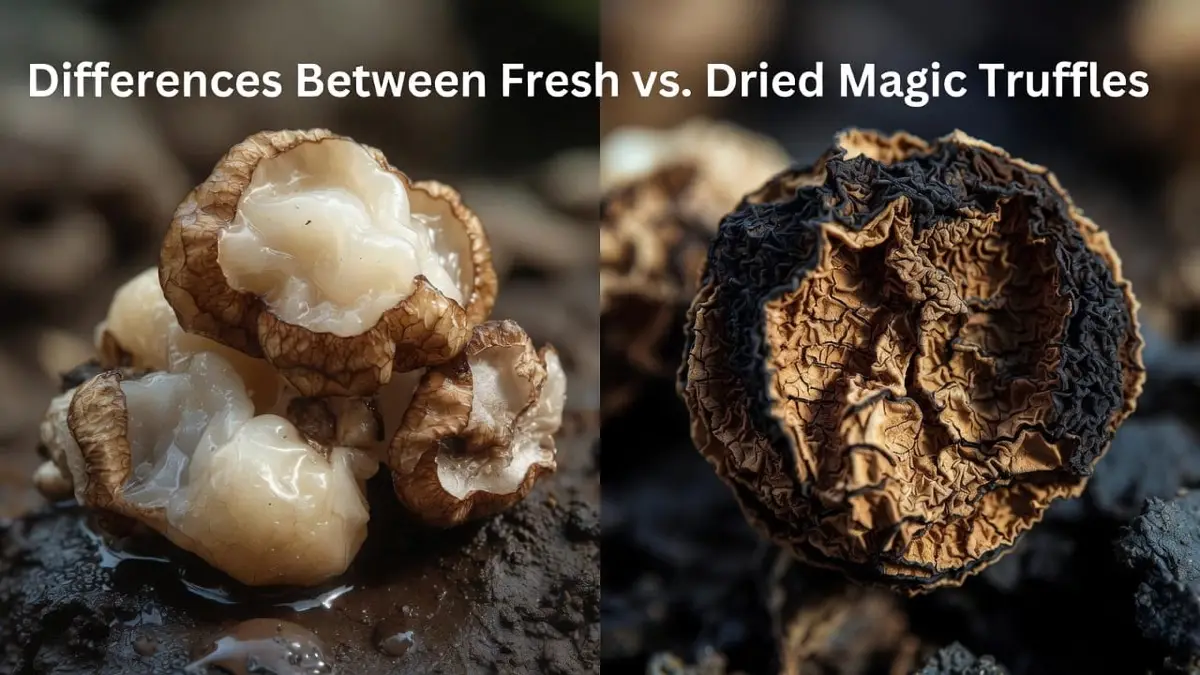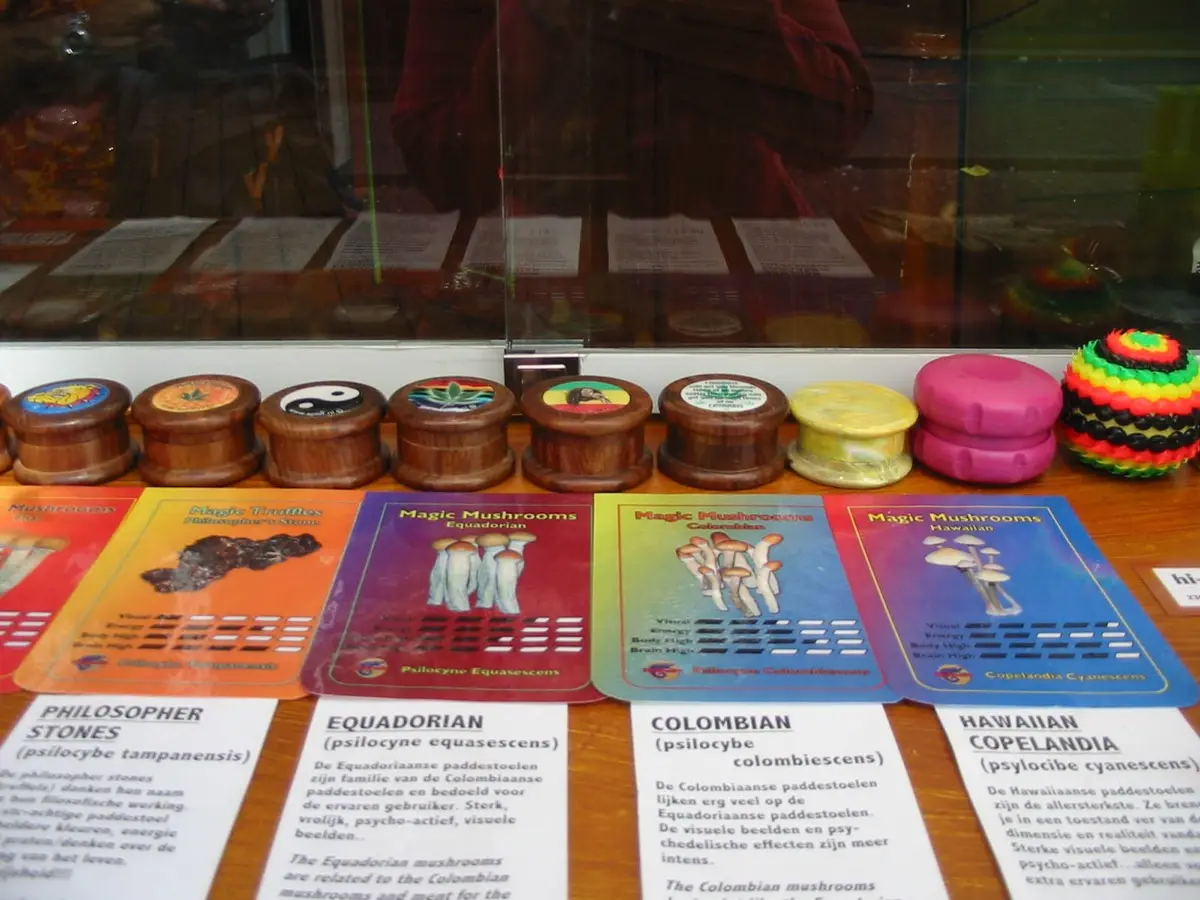



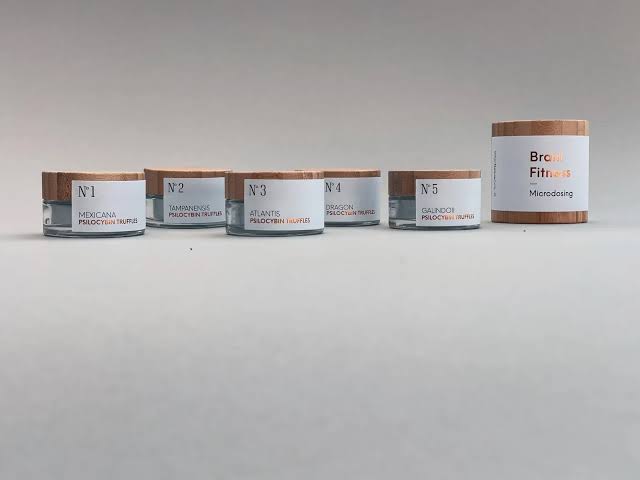

Fresh magic truffles are perishable biological material, not shelf-stable supplements. From the moment a grower harvests sclerotia until you open a vacuum bag, clock starts on moisture loss, enzymatic change, and microbial growth. This article explains realistic shelf life windows, sensory spoilage signs, and situations where the only safe choice is discard rather than dose.
Long-term storage methods appear in our how to store magic truffles guide. Moisture and potency interactions are detailed in the sibling article on fresh versus dried magic truffles.
Why sclerotia spoil faster than many expect
Sclerotia contain high water activity friendly to bacteria and molds once sterile packaging fails. Refrigeration slows metabolism and microbial doubling times yet does not sterilize tissue. Room temperature storage accelerates slime formation within days for fresh product. Pharmacology references in psilocybin metabolism literature note psilocin degrades faster than psilocybin when heat and oxygen rise.
Alkaloid loss parallels but does not identical-track food safety. A truffle that still produces effects can already harbor unacceptable bacterial loads. Safety decisions must follow sensory spoilage cues, not subjective potency guesses.
Manufacturer dating and vacuum seals
Retail bags print harvest, pack, or best-before dates. Treat those as vendor estimates under ideal cold chain, not guarantees after your hotel minibar warms. Bulging vacuum packs suggest gas-producing microbes inside. Punctures admit oxygen that browns tissue and feeds mold.
Photograph labels when buying for traceability if adverse physical symptoms appear. Quality vendors described in health-science grading articles answer batch questions without evasive marketing.
Refrigerator storage windows
Unopened chilled sclerotia commonly remain acceptable for roughly two to four weeks depending on strain moisture and initial cleanliness, though vendor guidance should override general rules. After opening, consume within a few days. Store in breathable paper inside a sealed container to balance humidity without pooling water.
Public health agencies including RIVM emphasize chilled perishable handling for foods generally. Apply the same hygiene to psychedelic fungi: clean hands, separate boards, no cross-contamination with raw meat.
Freezing, drying, and life extension tradeoffs
Freezing fresh truffles ruptures cell walls, changing texture and sometimes alkaloid distribution upon thaw. Acceptable for culinary experimentation yet plan immediate use after defrost. Drying extends months when airtight with desiccant but shifts dosing math toward dry grams, explained in fresh versus dried comparison and storage guide.
Improper partial drying invites mold that survives as spores visible only under magnification. Uniform dryness matters more than speed.
Visual and olfactory discard rules
Discard if you observe green, black, or fuzzy mold anywhere on tissue. Discard slimy biofilm, ammonia scent, sour vinegar notes, or sulfur-like rotten odors. Yellow-brown oxidation patches alone may be aging yet pair with alkaloid loss; when doubt is high, discard.
Trimming mold like cheese is unsafe for sclerotia. Hyphae penetrate inward. Cooking does not reliably destroy heat-stable bacterial toxins from secondary spoilage.
When potency fade still means do not eat
Weak effects after storage suggest psilocin degradation documented in Psilocybe chemistry reviews. Tourists tempted to double weak doses risk combining stale product with larger serotonergic load while microbes remain. Spoilage toxicity is independent of receptor effects.
Old dried material that smells musty or shows webbing is likewise discard-only. Desiccant saturation in jars indicates humidity failure.
Travel, customs, and delayed consumption
Trip itineraries that leave truffles in warm luggage destroy shelf life before planned sessions. Consume on site or dispose responsibly rather than transporting perishable biomass internationally. Policy context on harms appears in EMCDDA panoramas without substituting for microbiology basics.
Cultivation science perspective
Post-harvest handling research on fungal storage organs at institutions such as Wageningen University and Research informs why rapid chill after harvest extends commercial viability. Retail quality therefore depends on cold chain before you ever see a shop refrigerator.
Documentation habits for safer decisions
Keep a photo log of packaging, batch codes, and shop receipts when buying legal truffles for education or retreat use. Notes help clinicians if unexpected physical symptoms appear hours later. They also help you compare vendors across trips without relying on memory alone.
Pair product documentation with session notes on dose weight, preparation method, and elapsed time to onset. Patterns across entries reveal whether variability comes from storage, labeling, or personal metabolism rather than mystery potency swings.
Limits of vendor claims
No retail label can promise therapeutic outcomes. Quality grading, organic badges, and strain names describe commerce, not clinical endpoints. Readers crossing from science news into smart shop aisles should carry that skepticism deliberately.
When uncertain, prefer vendors who answer moisture, substrate, and storage questions without redirecting to hype about ancient wisdom or guaranteed enlightenment.
Hotel minibar and festival camping risks
Amsterdam weekends often combine late nights with truffles stored in warm rooms. Temperature abuse shortens shelf life faster than calendar dates suggest. Festival campers without refrigeration should buy immediately before sessions, not on arrival Monday for Saturday use.
Ice packs in insulated bags extend travel windows slightly yet do not replace continuous chilling for multi-day storage.
When to seek medical care
Discard spoiled truffles without tasting for potency. If vomiting, persistent diarrhea, or fever follows consumption of suspect product, seek medical care and mention fungal food timing. Clinicians rarely test for psilocybin in food poisoning workups but treat dehydration and infection seriously.
Batch photography for accountability
Before opening a vacuum bag, photograph every angle of the label and tissue color in daylight. If a shop disputes later complaints, timestamps help. If medical attention becomes necessary, clinicians receive clearer ingestion timing context.
Pairing storage science with realistic travel
Weekend tourists buy Friday for Sunday sessions while sightseeing with truffles in backpacks. Minimize carry time by purchasing close to session date and storing in hostel refrigerators when available. Sightseeing heat and tram delays count as shelf life enemies.
Desiccant saturation signals
Jar desiccants that turn pink or clump indicate humidity intrusion. Replace desiccant and reseal only if truffles still pass sensory inspection. Otherwise discard despite dryness on the surface.
Odour thresholds humans detect
Ammonia and vinegar notes often appear before visible mold spreads across an entire sclerotium. Trust early olfactory warnings even when some pieces look unchanged. Cutting away apparently clean sections is unsafe when off-gas already present.
Refrigerator temperature checks
Hotel minibar fridges often run warmer than four degrees Celsius. Use a cheap thermometer sticker when storing truffles overnight. Warmer fridges compress already short fresh windows.
When drying is the only preservation option
Travelers who cannot refrigerate should dry promptly using airflow and low heat rather than letting fresh truffles linger. Improper partial drying remains worse than deliberate uniform drying followed by airtight storage per the storage guide.
Color change as aging signal
Fresh sclerotia may blue when bruised due to enzymatic oxidation of alkaloids. Uniform darkening without bruising can indicate age or spoilage instead. Learn to separate normal bruising from spread discoloration that accompanies sour odor.
Group sessions and shared storage risk
Retreats that pool purchased truffles in communal refrigerators introduce cross-handling risk. Individual labeled bags inside shared fridges reduce mix-ups and contamination. Facilitators should discard any communal container that sat unrefrigerated during transport between venue and kitchen.
Conclusion
Magic truffle shelf life ends when seals fail, temperatures swing, or sensory inspection reveals mold, slime, or putrid odor. Potency decline alone is a warning, not permission to eat questionable tissue. Follow storage guidance and fresh versus dried science to reduce preventable harm.
UNLOCK THE MIND. ELEVATE THE SELF.