




Psilocybin occupies a distinctive place in pharmacology as a naturally occurring tryptamine alkaloid produced by more than two hundred species of fungi, including Psilocybe mushrooms and the sclerotia sold legally as magic truffles in the Netherlands. Chemically, it is a phosphorylated prodrug: the phosphate group must be cleaved before the molecule can bind serotonin receptors and produce the altered states of consciousness studied in contemporary trials. That metabolic conversion, not the parent compound itself, largely determines onset time, peak intensity, and the shape of the experience. For a focused comparison between psilocybin and its active metabolite psilocin, see how psilocybin differs from psilocin; practical weight-based guidance for truffle products appears in psilocybin dosage guidelines for magic truffles.
Albert Hofmann isolated and characterized psilocybin in the late 1950s after Sandoz supplied mushroom extracts for pharmacological study, work summarized in Hofmann's early psilocybin pharmacology work. Since then, regulatory restrictions slowed academic research for decades, but the compound re-entered mainstream science through imaging studies, open-label depression trials, and rigorous protocols at institutions such as Johns Hopkins psychedelics research program and Imperial College Psychedelic Research Centre. The NIH now hosts an accessible monograph on psilocybin pharmacology in NIH overview of psilocybin, which remains a useful starting point for readers new to the field. This article explains molecular identity, natural sources, and first-pass metabolism without repeating the detailed prodrug comparison covered elsewhere on the site.
Chemical structure and naming
Psilocybin is 4-phosphoryloxy-N,N-dimethyltryptamine, a substituted indole carrying a dimethylated ethylamine side chain and a phosphate ester at the four position of the indole ring. Its molecular formula is C12H17N2O4P, giving a molar mass near 284 daltons before metabolism. The phosphate ester increases water solubility relative to psilocin, which helps the compound remain stable in fungal tissue and influences how it is absorbed after oral ingestion. Systematic reviews such as Nichols review of psychedelic pharmacology place psilocybin within the broader family of serotonergic psychedelics that act primarily through 5-HT2A receptor agonism once converted to psilocin.
Chemists often describe psilocybin as a prodrug because its phosphate group masks the phenolic hydroxyl required for efficient receptor binding. Enzymatic dephosphorylation yields psilocin, which resembles serotonin closely enough to activate 5-HT2A and related receptors. Small structural differences at the four position dramatically change distribution and receptor affinity, which is why bioavailability calculations cannot treat the two molecules as interchangeable. Laboratory quantification typically reports psilocybin content in dried fungal material, yet experienced readers know that subjective intensity tracks psilocin exposure more closely than parent drug levels.
Regulatory documents and forensic databases list psilocybin separately from psilocin because the two compounds exhibit different stability profiles in stored samples. Psilocybin tolerates drying and long-term storage in sclerotia better than free psilocin, which oxidizes more readily when exposed to light and air. This stability partly explains why cultivated truffles can be standardized by declared alkaloid content. Researchers comparing synthetic psilocybin capsules with whole-mushroom preparations must account for excipient effects, gastric pH, and individual phosphatase activity, variables reviewed in human metabolism of psilocybin.
Natural sources in fungi
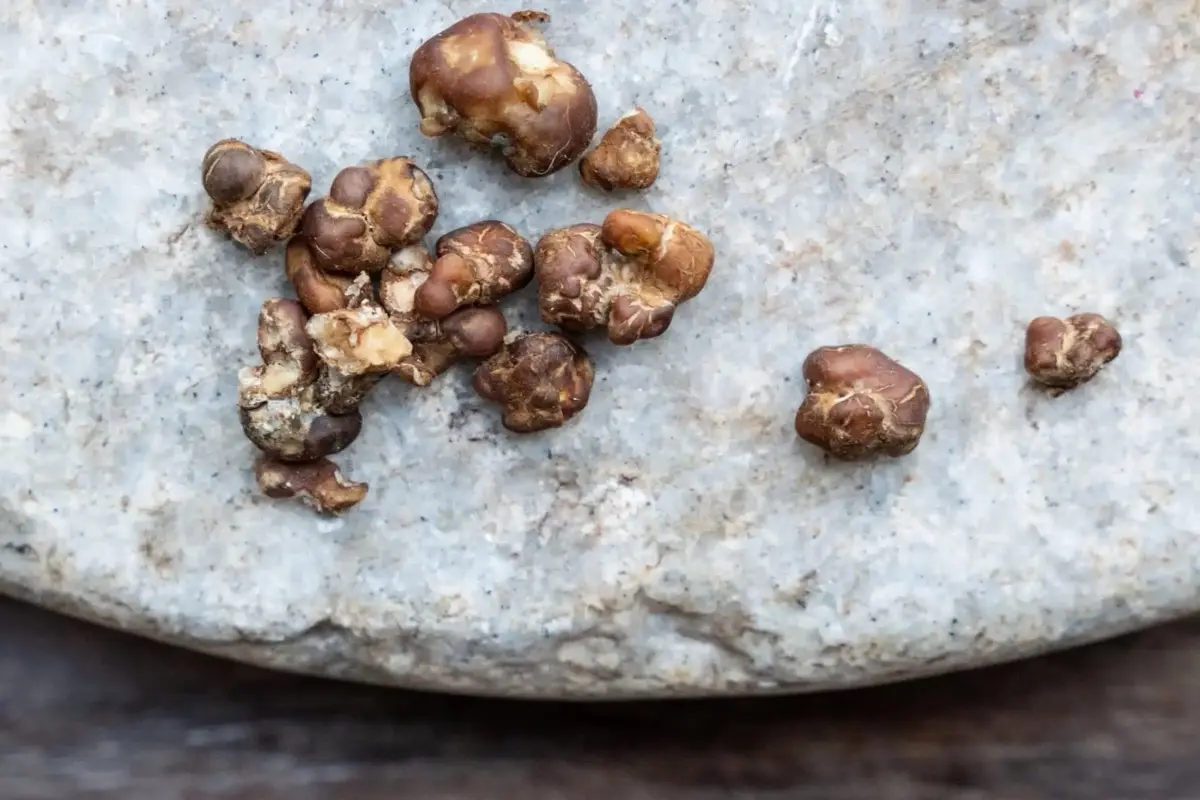
Psilocybin occurs most abundantly in species of Psilocybe, Panaeolus, Pluteus, and Gymnopilus, though concentrations vary widely by strain, substrate, and harvest timing. Magic truffles sold in the Netherlands are not botanical truffles but sclerotia, dense survival structures formed by certain Psilocybe species when environmental conditions favor dormancy. Cultivators measure potency in milligrams of psilocybin per gram of fresh or dried material, recognizing that batch variability remains a practical challenge even under controlled conditions. Ethnobotanical surveys document traditional use among indigenous Mesoamerican communities long before Western chemistry named the molecule.
Wild-harvested mushrooms pose identification risks because toxic look-alikes can grow in similar habitats. Legal truffle products from licensed suppliers undergo cultivation under defined conditions, which reduces but does not eliminate potency variance. Analytical laboratories use high-performance liquid chromatography to quantify psilocybin and sometimes psilocin simultaneously, helping researchers compare products used in observational surveys. Readers interested in how declared strength maps to experience should cross-reference psilocybin dosage guidelines for magic truffles rather than relying on colloquial strain names alone.
Environmental stressors such as light exposure, temperature swings, and nutrient limitation can trigger sclerotia formation and alter alkaloid profiles. Mycologists continue debating how much genetics versus cultivation parameters determine final potency, but consensus holds that labeling should report analytical results where available. European monitoring bodies including EMCDDA panorama on psychedelic substances track prevalence data for psilocybin-containing products separately from synthetic psychedelics, reflecting distinct supply chains and risk profiles. None of this variability negates the underlying chemistry: whether ingested as truffle, capsule, or mushroom tea, psilocybin still follows the same metabolic route toward psilocin.
Metabolic conversion in the body
After oral ingestion, psilocybin passes through the stomach and small intestine, where alkaline phosphatases and related enzymes cleave the phosphate group to form psilocin. A fraction undergoes first-pass metabolism in the liver, producing polar metabolites excreted in urine. Peak psilocin plasma concentrations typically occur one to two hours post-dose, aligning with subjective onset reports in controlled studies reviewed in human metabolism of psilocybin. Food in the stomach can delay absorption, which is why clinical protocols often specify fasting windows and standardized meal restrictions the day before dosing.
Psilocin binds 5-HT2A receptors with high affinity, producing downstream signaling cascades linked to altered sensory processing, mood shifts, and the temporary reorganization of functional brain networks. Monoamine oxidase enzymes further metabolize psilocin, limiting duration of action relative to compounds resisting oxidative breakdown. Individual differences in gastric pH, cytochrome activity, and concurrent medications can shift exposure curves, which partly explains why identical milligram doses feel different across participants. Our companion piece on psilocin as the active molecule behind psilocybin examines psilocin pharmacology in greater depth.
Renal excretion eliminates most psilocin metabolites within twenty-four hours, though trace detection windows depend on assay sensitivity. Standard workplace urine panels rarely target these metabolites, a topic explored in articles across our health and science articles on psilocybin section. Understanding metabolism clarifies why redosing during the same session often fails: receptor desensitization and diminishing psilocin levels interact to blunt additional effects. Researchers designing pharmacokinetic studies increasingly pair blood sampling with functional imaging to link exposure metrics to neural outcomes.
Why structure and metabolism matter for readers
Clinicians, retreat facilitators, and curious readers all benefit from separating three layers: the alkaloid listed on a label, the psilocin that reaches the brain, and the subjective report that follows. Confusing these layers leads to dosing errors, unrealistic expectations about detection tests, and misinterpretation of research headlines. Synthetic psilocybin trials use precisely weighed capsules, while natural products distribute alkaloids within food matrices that slow absorption. Both routes converge on psilocin, but timelines differ enough to influence preparation and integration practices.
Regulators evaluating psychedelic medicines at the FDA guidance on psychedelic clinical trials and EMA medicines evaluation framework request stability data, metabolite identification, and standardized dosing units. Academic programs mirror those requirements when translating lab findings into human protocols. For non-clinical readers, the practical takeaway is simpler: respect labeled content, allow adequate time for onset, and treat metabolism as the bridge between chemistry and experience. Additional context on comparative pharmacology appears in how psilocybin differs from psilocin and in the related article psilocin as the active molecule behind psilocybin.
Future research may deliver formulations that bypass first-pass losses or target specific receptor subpopulations, but current practice still centers on oral psilocybin whether synthesized or fungal in origin. Imaging studies continue mapping how psilocin exposure correlates with network disintegration metrics, linking molecular events to whole-brain dynamics. Readers navigating this literature should return to primary sources such as Nichols review of psychedelic pharmacology and institutional summaries at Johns Hopkins psychedelics research program when evaluating popular claims. The science moves quickly, yet the basic prodrug relationship between psilocybin and psilocin remains the anchor concept.
Summary
Psilocybin is a phosphorylated tryptamine prodrug found in Psilocybe fungi and legal sclerotia, converted to psilocin by phosphatases after oral ingestion. Its chemical identity, natural variability, and metabolic fate explain onset timing, potency labeling, and much of the science behind modern trials. Readers should pair this structural overview with how psilocybin differs from psilocin for pharmacological comparison, psilocybin dosage guidelines for magic truffles for practical dosing context, and psilocin as the active molecule behind psilocybin for a deeper focus on the active metabolite. Additional articles in health and science articles on psilocybin cover detection, brain imaging, and clinical applications without duplicating foundational chemistry.
Understanding psilocybin as a prodrug prevents common misconceptions about detection windows, redosing, and equivalence between synthetic and fungal preparations. Primary literature indexed through human metabolism of psilocybin, NIH overview of psilocybin, and university research portals remains the most reliable guide as policies evolve. This article intentionally complements existing site resources rather than replacing them, offering molecular context for readers entering the broader health and science archive.
UNLOCK THE MIND. ELEVATE THE SELF.