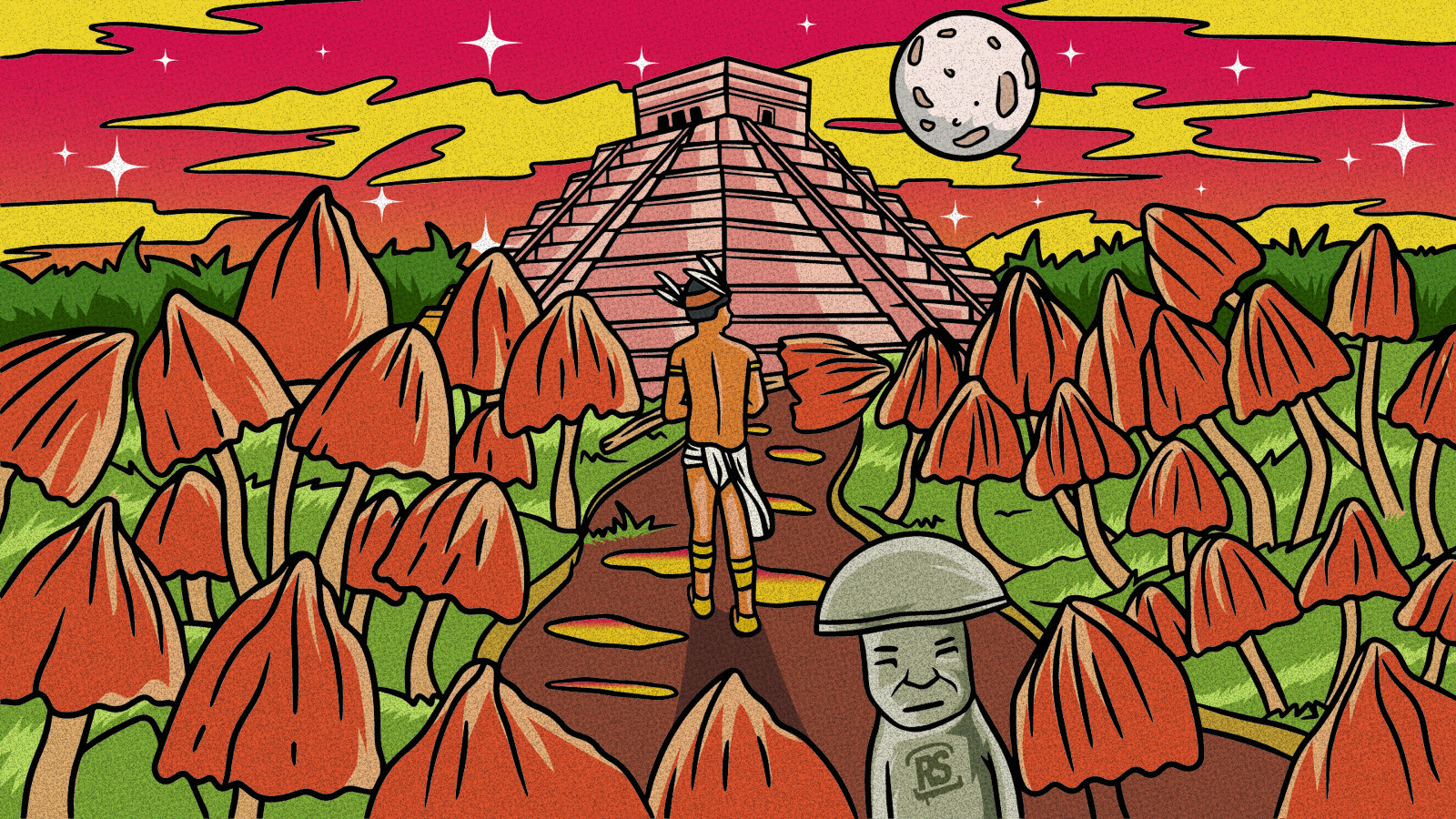



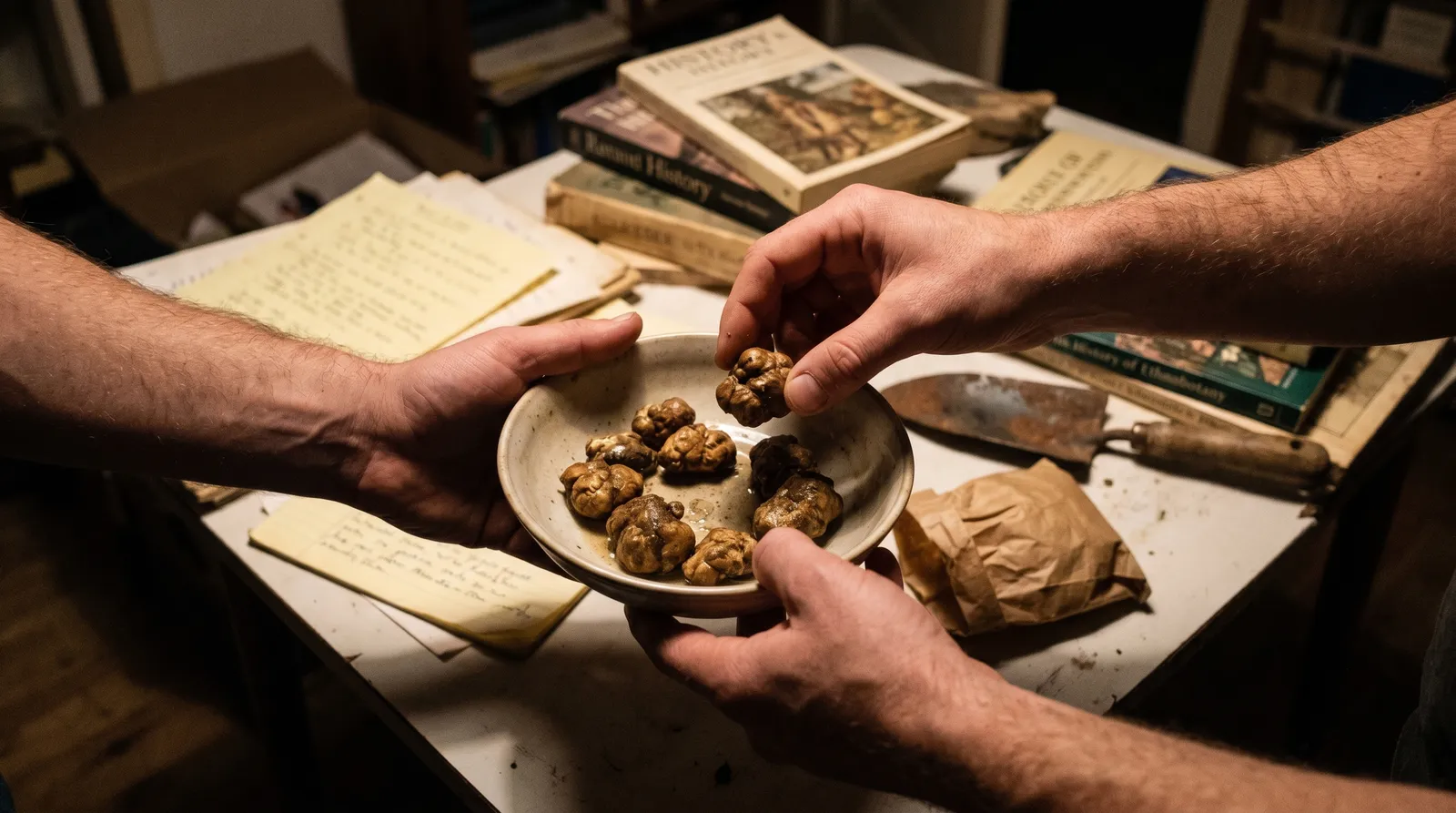

In December 2008 the Netherlands criminalized fresh psilocybin mushrooms while leaving psilocybin-containing sclerotia on the commercial market. Parliament did not publish a pharmacology finding that truffles are safer. Lawmakers drew a morphological line after public debate about tourist incidents linked to fresh caps. This article explains that policy turn, how the Opiumwet schedules interact, and what travelers still misunderstand a generation later.
Broader retail rules are summarized in Dutch magic truffle legislation. Plain-language parsing of the Opium Act appears in Opium Act psilocybin truffles summary. Cross-border consequences for visitors are covered in the sibling article on exporting truffles as a tourist.
What changed in 2008
Before the ban, smart shops sold fresh psilocybin mushrooms commonly called paddos. Media coverage of emergency room visits and deaths associated with confused or reckless use fueled political pressure. The government responded by prohibiting sale and possession of fresh psychoactive mushrooms while allowing sclerotia products that had parallel retail channels.
The statutory text lives in the Opiumwet on wetten.overheid.nl. Schedules list substances and preparations. Sclerotia remained classified in a permitted commercial form under subsequent guidance summarized on the Dutch government drugs topic portal.
Why sclerotia stayed on shelves
Official rhetoric cited lower acute harm visibility for truffle sales, yet the decisive factor was legislative compromise. Mushroom caps were the public symbol of tourist excess. Sclerotia were already packaged, branded, and taxed through existing vendors who lobbied to continue. Mycologically both tissues can contain psilocybin and psilocin when genetics permit, a fact documented in species records at MycoBank.
Drawing legality by morphology rather than alkaloid content creates the unusual Dutch landscape where form dictates retail permission. European monitors in EMCDDA panoramas note the Netherlands as an outlier within EU harm reduction reporting.
Implementation for shops and tourists
After 2008, menus shifted from fresh mushrooms to vacuum sealed sclerotia with strain marketing. Age and quantity limits apply at point of sale. Possession thresholds for personal use operate within Dutch tolerance policy yet do not export automatically to other countries, a topic developed in export law for tourists.
Police and municipal enforcement focus on unlicensed sales and nuisance conduct rather than laboratory testing of alkaloid milligrams. Compliance is morphological: caps illegal, sealed truffles legal when sold through approved channels.
Medical and public health framing
Public health agencies including RIVM address drug harms generically. The 2008 debate referenced acute psychiatric presentations and accidents, not chronic toxicity differences between tissues. Harm reduction educators emphasize set, setting, and contraindications regardless of which morphology is legal.
Clinical trials using synthetic psilocybin progressed on a separate regulatory track from smart shop sclerotia. Hospital research permissions do not translate into tourist dose recommendations.
Common myths after the ban
Myth one claims truffles are pharmacologically inactive compared with banned mushrooms. False when species genetics match. Myth two claims truffles are entirely safe because they stayed legal. Legal status is political, not a safety certificate. Myth three assumes EU harmonization. Neighboring states mostly prohibit psilocybin in any form.
Readers should consult legislation guide and Opium Act summary instead of forum rumors about hidden loopholes for fresh caps.
Relation to modern retreat commerce
Licensed retreats and smart shops built post-2008 business models around sclerotium dosing. Facilitators weigh fresh grams because retail labels use fresh weight. International guests sometimes arrive unaware that mushrooms and truffles were legally separated by a 2008 compromise, not by indigenous tradition or clinical trial outcomes.
Understanding that history clarifies why Dutch mycology education emphasizes sclerotium life cycles in cultivation articles throughout the site cluster.
Parliamentary politics in brief
Center-right and centrist coalitions sought a visible response to headlines without shutting down an entire psychedelic retail sector. Banning only fresh mushrooms allowed ministers to claim action while preserving tax-paying vendors. Critics from drug policy reform groups noted inconsistency; prohibitionists noted remaining legal sales. Neither camp cited receptor binding data.
Subsequent years saw attempts to tighten or loosen rules, yet sclerotia remained the stable product form. Policy stability encouraged investment in cultivation facilities described elsewhere in health-science articles.
Documentation habits for safer decisions
Keep a photo log of packaging, batch codes, and shop receipts when buying legal truffles for education or retreat use. Notes help clinicians if unexpected physical symptoms appear hours later. They also help you compare vendors across trips without relying on memory alone.
Pair product documentation with session notes on dose weight, preparation method, and elapsed time to onset. Patterns across entries reveal whether variability comes from storage, labeling, or personal metabolism rather than mystery potency swings.
Limits of vendor claims
No retail label can promise therapeutic outcomes. Quality grading, organic badges, and strain names describe commerce, not clinical endpoints. Readers crossing from science news into smart shop aisles should carry that skepticism deliberately.
When uncertain, prefer vendors who answer moisture, substrate, and storage questions without redirecting to hype about ancient wisdom or guaranteed enlightenment.
Media incidents that shaped 2008 politics
Parliamentary records reference tourist hospitalizations and behavioral incidents in public spaces. Quantifying causality is difficult because alcohol and other drugs co-occurred. Political narratives nevertheless attached risk to visible fresh mushrooms sold openly in cities.
Sclerotia packaging appeared more discreet to lawmakers, influencing the morphological compromise. Public health data did not cleanly separate tissue types.
Comparisons with other EU member states
Portugal, Spain, and Germany maintain distinct psilocybin control regimes. The Dutch 2008 split is not a template for neighbors. Travelers who assume harmonization misread both local purchase rights and export prohibitions.
Opiumwet schedules in plain structure
Dutch law lists substances and preparations in annexes that lawyers parse carefully. Retailers rely on compliance consultants to keep sclerotium products inside permitted categories. Consumers rarely read annex text yet benefit from knowing that legality is definitional, not intuitive.
Our Opium Act summary article translates annex concepts without substituting for legal counsel when criminal exposure is possible.
Tourism economy after 2008
Amsterdam, Utrecht, and coastal retreat towns built marketing around legal truffles after the mushroom ban. Economic incentives now favor maintaining sclerotium access while policing nuisance behavior. Policy stability is commercial as well as cultural.
Smart shop compliance training
Staff training after 2008 emphasized ID checks and nuisance prevention more than mycology lectures. Quality still improved indirectly because reputational competition punished visible spoilage. Policy and commerce interact even without unified grading law.
Attempts to ban truffles after 2008
Later parliamentary motions occasionally threatened sclerotium restrictions. Advocacy from vendors and some drug policy reform groups resisted expansion of the mushroom ban. Truffles remained legal not because they were proven harmless but because political coalitions stabilized the compromise.
Vendor liability and consumer education
Dutch vendors adopted warning labels and dosage pamphlets partly to preempt further bans. Education mixed with commerce is imperfect yet influenced post-2008 survival of sclerotium sales. Reading pamphlets critically beats ignoring them entirely.
Reading parliamentary transcripts
Public parliamentary debate transcripts from 2008 are searchable in Dutch with translation tools. They reveal emotive rhetoric alongside legal definitions. Primary political text beats second-hand summaries when you want to understand why morphology mattered more than alkaloid pharmacology in the final vote.
Conclusion
The 2008 Dutch mushroom ban removed fresh psilocybin caps from commerce while sclerotia continued under Opiumwet scheduling and retail guidance. The split reflects political morphology choices, not a discovery that truffles lack psilocybin. Read legislation, Opium Act plain English, and export rules for tourists before interpreting Amsterdam legality abroad.
UNLOCK THE MIND. ELEVATE THE SELF.