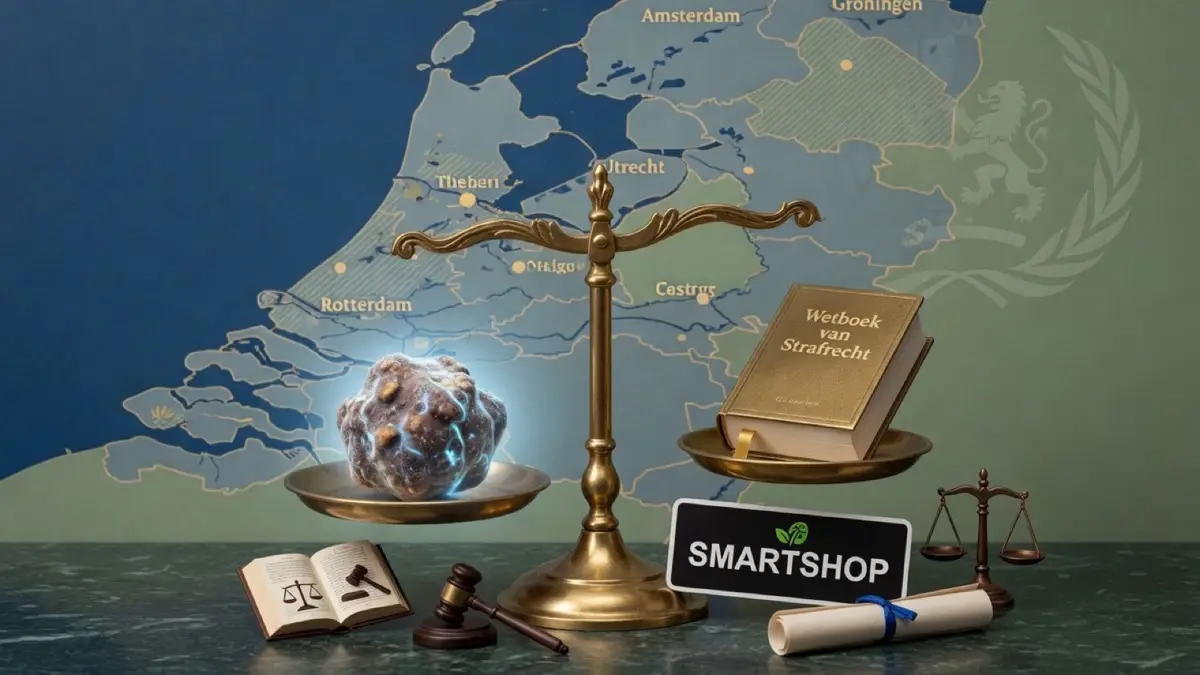



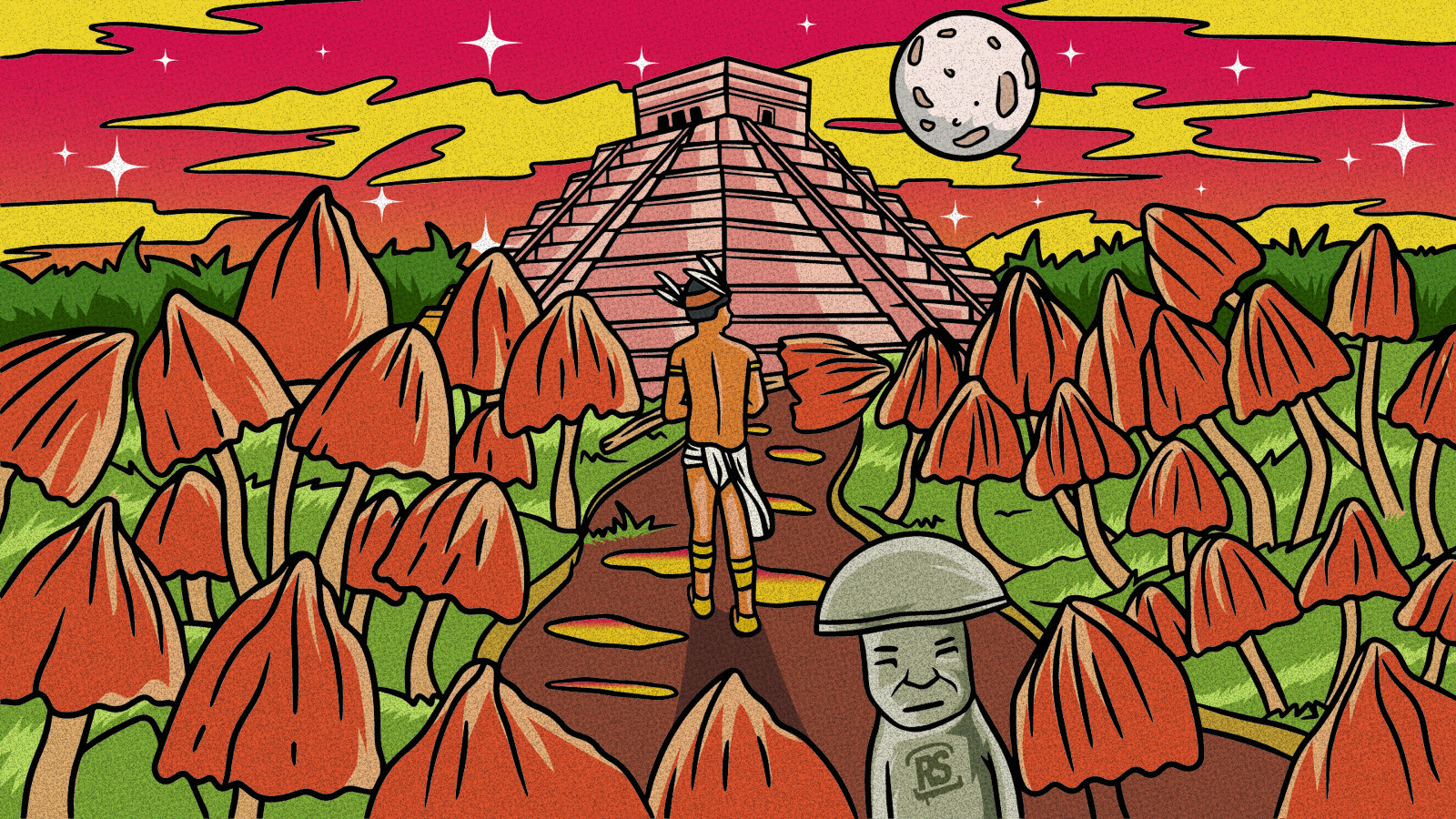

Teonanacatl is a Nahuatl term often translated as flesh of the gods. Spanish chroniclers and twentieth century ethnomycologists used it when describing psychoactive mushrooms in Mesoamerican ritual life. Modern Dutch shops sell psilocybin sclerotia under the tourist label magic truffles, a morphology that also appears in pre-Columbian material culture though with different species and meanings. This article separates documented history from psychedelic marketing folklore.
For how contemporary mushrooms and truffles compare pharmacologically, see our guide to magic mushrooms versus magic truffles. Dutch policy that kept sclerotia legal while banning fresh caps is explained in the sibling article on the 2008 mushroom ban and truffles.
What teonanacatl meant in colonial sources
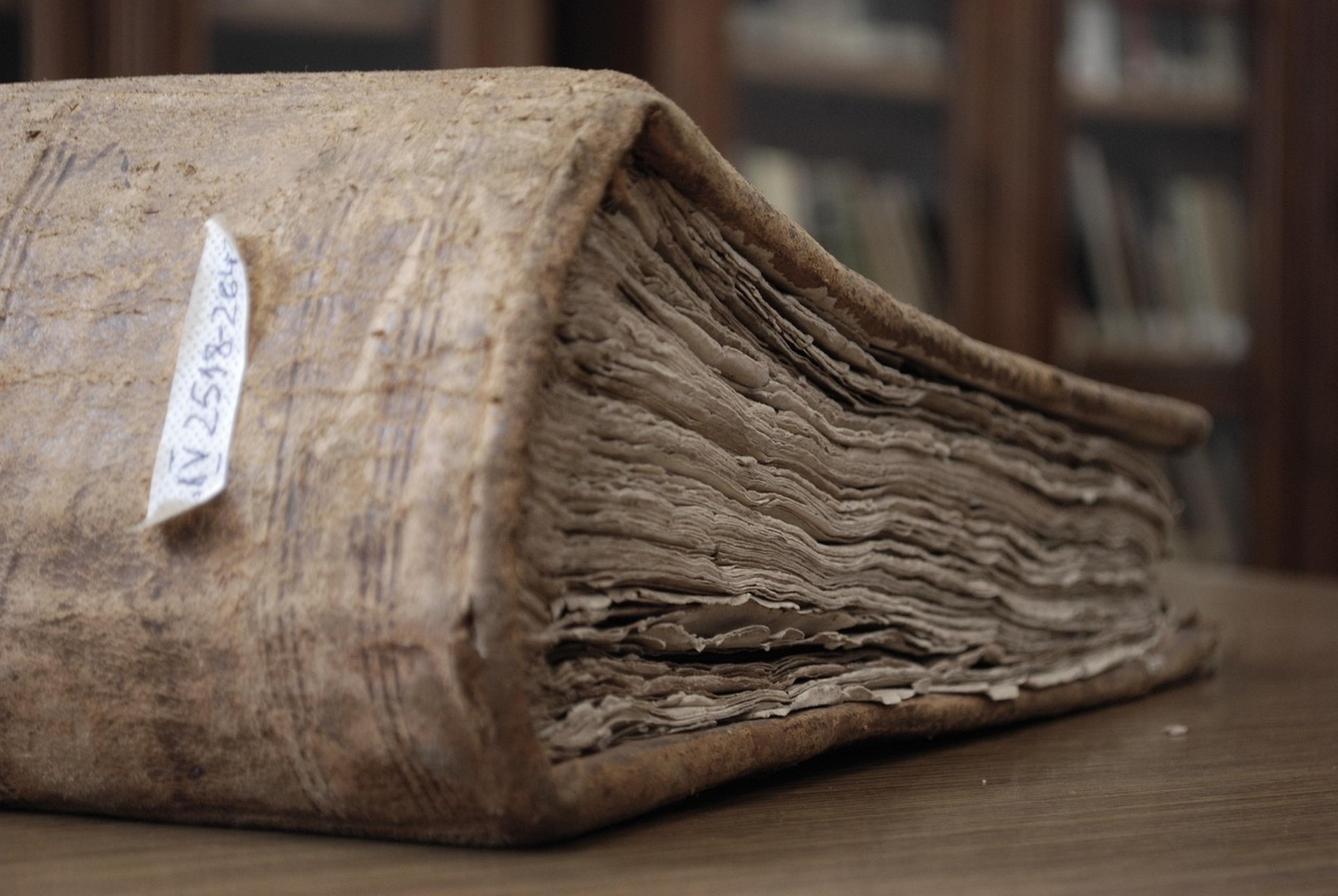
Bernardino de Sahagun and other friars recorded Nahuatl vocabulary alongside Christian condemnation of indigenous rites. Their Florentine Codex passages describe mushrooms consumed in ceremonial contexts, often paired with divination, healing, or community mourning. These texts are biased witnesses yet remain primary windows into sixteenth century Central Mexican practice.
Albert Hofmann and Roger Heim linked surviving mushroom species to those descriptions in mid twentieth century fieldwork, work summarized in Hofmann psilocybin pharmacology history. Identification debates continue because colonial illustrations are stylized and because multiple Psilocybe species coexist in the region.
Mushroom stones and archaeological hints
Stone effigies resembling mushroom caps appear in Guatemalan highland archaeology associated with Maya and related cultures. Scholars interpret some artifacts as ritual symbols rather than literal dosing cups. Encyclopedic entries on teonanacatl caution against reading every carved stem and cap as proof of uniform psilocybin use across centuries.
Archaeological context for Mesoamerican urban societies appears in resources such as World History Encyclopedia on Maya civilization. Psychoactive fungi were one thread in broader cosmologies that included tobacco, balche, and other plant teachers.
Sclerotia in Mesoamerican evidence
Philosopher stones and similar slang in modern cultivation refer to sclerotia of species like Psilocybe mexicana. Ethnographic reports mention subterranean fungal masses in some regions, though mushroom caps dominate popular retellings. Taxonomic databases in MycoBank list sclerotium-forming Psilocybe strains distinct from culinary truffles.
Linking Amsterdam retail products directly to Aztec ceremony overstates continuity. Genetics overlap at the species level for some cultivars, yet preparation, dose, ritual framing, and legal setting differ entirely. Respectful reading acknowledges both chemical relatedness and cultural distance.
From village ritual to laboratory molecule
Mid century chemists isolated psilocybin and psilocin, enabling synthetic production now pursued in depression trials. Alkaloid surveys in Psilocybe chemistry reviews show why caps and sclerotia both interested mycologists: either tissue can carry tryptamines when genetics permit.
Popular Western narratives sometimes cast teonanacatl as a uniform ancient technology lost and rediscovered. Academic historians emphasize regional variation, colonial suppression, and twentieth century revival through Mazatec curanderismo popularized by Gordon Wasson photography. Neither story alone captures the archive.
Colonial suppression and modern revival
Spanish authorities associated indigenous sacraments with devil worship. Underground continuity persisted in remote communities. Wasson 1957 Life magazine coverage introduced psilocybin mushrooms to North American readers, triggering laboratory research and eventual Dutch commercial sclerotia markets far removed from Oaxacan ceremony.
Contemporary retreat tourists sometimes invoke teonanacatl language on websites without indigenous partnership. Ethical education distinguishes citation of history from performance of tradition. Reading primary ethnography beats repeating shop slogans.
Why Dutch truffles echo but do not replicate history
Netherlands retail sclerotia emerged from late twentieth century cultivation economics and Opiumwet scheduling, not from recreated Mesoamerican rites. The sibling article on the 2008 ban shows how morphology regulation shaped what tourists can buy today.
Pharmacological overlap does not license cultural costume. Facilitators serve international guests better by explaining mycology and local law than by borrowing sacred names without context.
Reading critically as a retreat participant
Ask when marketing uses indigenous terms whether local communities benefit or were consulted. Compare strain Latin names with archaeological claims on brochures. Use mushroom versus truffle science guides for dose mechanics while treating history as anthropology, not branding.
Museums, codices, and peer-reviewed ethnohistory outweigh influencer montages. Expect ambiguity where archives are incomplete.
Documentation habits for safer decisions
Keep a photo log of packaging, batch codes, and shop receipts when buying legal truffles for education or retreat use. Notes help clinicians if unexpected physical symptoms appear hours later. They also help you compare vendors across trips without relying on memory alone.
Pair product documentation with session notes on dose weight, preparation method, and elapsed time to onset. Patterns across entries reveal whether variability comes from storage, labeling, or personal metabolism rather than mystery potency swings.
Limits of vendor claims
No retail label can promise therapeutic outcomes. Quality grading, organic badges, and strain names describe commerce, not clinical endpoints. Readers crossing from science news into smart shop aisles should carry that skepticism deliberately.
When uncertain, prefer vendors who answer moisture, substrate, and storage questions without redirecting to hype about ancient wisdom or guaranteed enlightenment.
Wasson, Maria Sabina, and media distortion
Mid twentieth century journalism introduced Mazatec curanderismo to global audiences. Subsequent tourism strained host communities. Contemporary ethicists urge citation without imitation. Reading history means acknowledging harm from extractive attention as well as scientific discovery.
Dutch truffle commerce is downstream of that media arc without being its restoration. Educational articles can honor sources without staging faux indigenous ritual.
Archaeological caution
Not every mushroom-shaped artifact contained psychoactive species. Ethnographers warn against projecting modern Psilocybe commerce onto every pre-Columbian symbol. Precision protects living cultures from flattening into marketing props.
Mazatec context and respectful reading
Contemporary Mazatec communities in Oaxaca maintain ceremonial relationships with psychoactive fungi that differ from Amsterdam smart shop commerce. Anthropologists emphasize consent, reciprocity, and anti-extraction ethics when outsiders study or reference those practices.
Reading teonanacatl history should include acknowledgment that colonial violence disrupted indigenous knowledge systems. Modern Dutch sclerotia markets neither restore nor replace those systems.
Museum and codex literacy
Museums display codex pages and stone effigies with careful dating and uncertainty labels. Blog posts often remove uncertainty. When a retreat brochure cites an artifact image, verify whether the institution itself claims psilocybin use or only mushroom-shaped symbolism.
Language evolution from Nahuatl to English shops
Teonanacatl entered English through colonial transcription and later psychedelic literature. Dutch retailers adopted truffle from gastronomy, not Nahuatl. Translation chains explain why three unrelated words describe related tissues today.
Psilocybe mexicana as cultural bridge species
Mexicana genetics appear in Dutch cultivation lines marketed globally. The species connects Mesoamerican ethnobotany with European commerce biologically while separating them culturally. Recognizing that bridge prevents both erasure of indigenous history and false claims of ceremonial authenticity in tourist shops.
Stone effigies without chemical proof
Archaeologists date mushroom stones to specific regions and centuries yet rarely extract alkaloids from carved rock. Symbolic mushroom shapes document cultural importance, not pharmacy. Keep that distinction when retreat marketing uses pre-Columbian imagery beside modern vacuum bags.
Separating respect from romanticism
Honoring Mesoamerican history does not require claiming personal ceremonies are identical to them. Respectful education cites sources, supports indigenous rights discourse, and refuses faux ritual costumes. Truffle tourists benefit from humility more than from borrowed sacred vocabulary.
Conclusion
Teonanacatl names a colonial-recorded relationship between Central Mexican cultures and psychoactive mushrooms, not a single product identical to modern vacuum sealed truffles. Sclerotia appear in mycology and scattered ethnography yet caps dominate historical retelling. Continue with mushrooms versus truffles for present-day pharmacology and 2008 Dutch policy for why sclerotia dominate legal commerce today.
UNLOCK THE MIND. ELEVATE THE SELF.