



Choosing between an Amsterdam area retreat and a rural Netherlands venue is not a choice between legal and illegal. The Opium Act applies nationwide, and truffle tolerance follows national administrative practice rather than city borders. The meaningful differences are environmental, logistical, and municipal: noise ordinances, tourism density, police visibility, and how quickly you return to ordinary urban stimulation after a session. This comparison helps international participants align setting with nervous system needs while staying realistic about enforcement and community impact. Read it alongside structured retreat experience, differences between mushrooms and truffles, and smart shops versus retreats legal differences for how commercial models diverge.
National law is the same in every province
Psilocybin remains on Schedule I of the Opium Act whether your ceremony occurs in a canal house district, a North Holland farm, or a Veluwe forest lodge. The statute text on wetten.overheid.nl does not list separate rules for Amsterdam versus Groningen. Retail truffle tolerance and facilitator sourcing obligations follow the same national framework.
Municipal differences appear in local ordinances, venue licensing, and how crowded public space feels when participants re enter daily life. They do not create a rural exemption from traffic law, export rules, or workplace policies in your home country.
Marketing that implies countryside retreats are legally safer misunderstands Dutch law. They may be psychologically safer for some guests because of quieter surroundings, not because statutes change at the provincial edge.
Amsterdam and urban venue factors
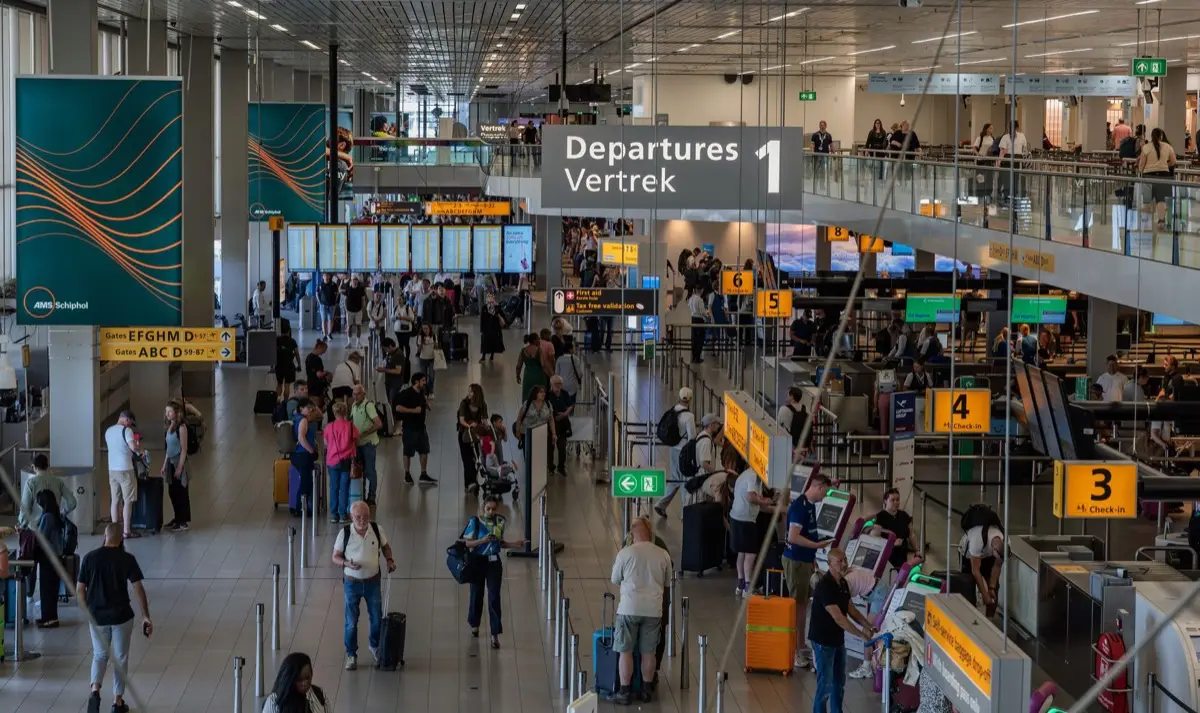
Urban retreats or city adjacent venues offer short transfers from Schiphol, abundant hotels, and familiar tourist infrastructure. They also place participants near smart shops, nightlife, and dense pedestrian traffic that can overwhelm a sensitive post session nervous system.
Amsterdam municipal policy on smart shop density, advertising, and public order receives disproportionate media attention because of tourism volume. EMCDDA country profiles note that Dutch drug policy debates concentrate in cities with the highest visitor flows.
Public visibility matters legally when intoxicated behavior draws police attention for disturbance rather than possession alone. Walking through crowded streets while disoriented increases contact risk even if personal truffle quantities remain tolerated.
Rural and small town venue factors
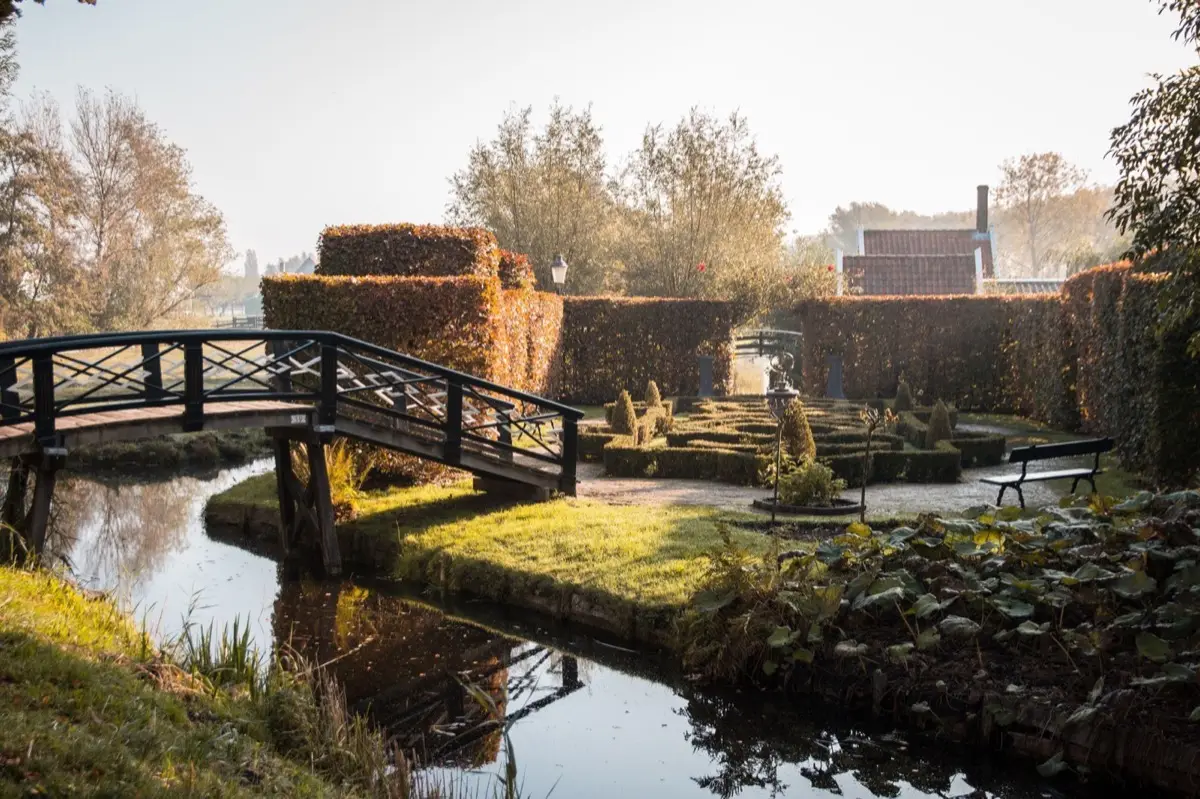
Rural retreats often use converted farms, retreat centers, or small lodges with on site accommodation and limited neighbors. Sound carries across fields, so facilitators must respect local noise complaints that trigger municipal enforcement faster than in industrial districts.
Transport times to hospitals, airports, and pharmacies are longer. Emergency planning becomes more important, not less, because ambulance response intervals increase outside dense urban networks.
Lower visible police presence does not mean absence of enforcement. Traffic stops on provincial roads still occur, and domestic violence or neighbor calls can bring officers to remote properties regardless of truffle legality.
Municipal noise, zoning, and APV ordinances
Dutch municipalities adopt Algemene Plaatselijke Verordening rules that restrict nighttime outdoor gatherings, amplified music, and camping in unauthorized locations. Retreat organizers need permits or neighbor agreements for group ceremonies that would violate APV if treated as spontaneous parties.
Amsterdam enforces APV strictly in residential canals where tourists confuse tolerance with permission for all night drumming. Village councils may know every local facilitator personally, creating cooperative oversight but also rapid gossip if an incident occurs.
Zoning determines whether a property may host paying guests overnight. Participants should not assume a beautiful barn legally operates as a commercial retreat venue.
Tourism density and integration environment
Integration benefits from calm routines: walks in nature, journaling, limited screens, and conversations without nightclub stimulation. Rural settings supply that by default. Urban settings require deliberate scheduling because cafes, museums, and social temptation sit outside the door.
Conversely, some participants fear isolation in the countryside and prefer knowing a train to Amsterdam is available if anxiety spikes. Our structured retreat experience page describes how facilitators structure support regardless of geography.
Neither environment guarantees better therapy outcomes. Evidence from clinical trials emphasizes preparation and facilitator skill over real estate aesthetics, though setting remains a harm reduction variable.
Logistics: airports, trains, and post retreat mobility
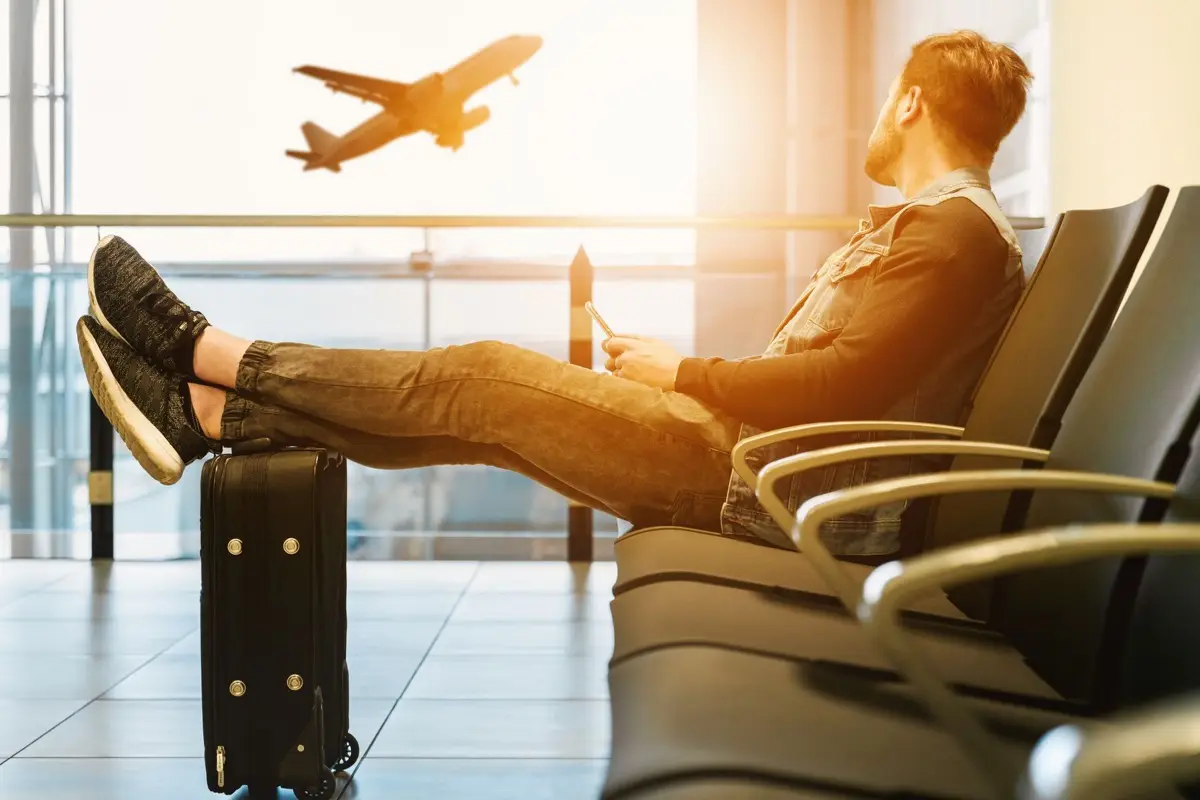
Schiphol access favors Amsterdam and Utrecht corridor venues for short international trips. Northern or eastern rural sites may require multiple train changes or rental cars, which intersects with driving law after psilocybin.
Participants who must fly within twenty four hours of a closing ceremony should weigh urban proximity against the temptation to rush. Rural venues often build extra buffer days into schedules specifically to reduce impaired travel.
Check Netherlands as a European retreat hub for why the Netherlands attracts Europeans who can reach venues by train, then decide whether your itinerary needs urban hub convenience or deliberate remoteness.
Smart shop proximity versus retreat only models
Amsterdam participants can walk past smart shops that sell truffles retail, creating temptation to self dose before or after structured ceremonies. Facilitators generally discourage unsupervised stacking of doses.
Rural guests rarely encounter retail truffle displays, which simplifies abstinence before intake but does not prevent personal imports from earlier city visits. smart shops versus retreats legal differences explains legal and ethical differences between buying in a shop and attending a screened retreat.
Understanding differences between mushrooms and truffles helps regardless of venue because facilitators still dose truffles, not fruiting body mushrooms banned since 2008.
Community relations and long term access
Psychedelic tourism affects housing markets and neighbor trust in popular provinces. Statistics Netherlands CBS tracks regional tourism flows that influence municipal political appetite for retreat licensing.
Rural communities may welcome retreat income yet resist festival scale events. Urban neighborhoods may tolerate smart shops while opposing unlicensed ceremony rentals advertised on short term rental platforms.
Choosing reputable operators who maintain neighbor relationships protects future access for everyone. Flashy illegal parties risk parliamentary backlash that statutory tolerance alone cannot prevent.
How to decide for your nervous system and compliance needs
List non negotiables: medical support proximity, language of facilitators, dietary needs, privacy, and required sober days before departure. Map those against travel time, not against imagined legal safe zones.
Review Netherlands truffle legislation and contraindications before comparing venue brochures. A rural forest setting does not remove cardiovascular screening obligations.
If you need urban medical infrastructure but quiet sleep, hybrid itineraries exist: rural ceremony with Amsterdam hotel recovery, provided you respect impairment law on travel days.
Emergency access and rural infrastructure
Rural retreat venues may sit thirty to ninety minutes from major hospitals by ambulance. Participants with cardiac history, epilepsy, or pregnancy exclusions should verify transport protocols in writing before paying deposits.
Urban venues near Amsterdam often reach academic medical centers faster, though emergency rooms still require honest substance disclosure that retreat guests may find uncomfortable.
Neither setting eliminates medical risk from psilocybin itself; geography only changes response time and language resources available in clinical staff.
Ask operators for documented relationships with local general practitioners or telehealth services before assuming forest quiet equals medical safety.
Language support and facilitator credentials
Rural venues may staff primarily in Dutch while urban retreats market in English. Confirm translation support for safety briefings and integration circles before assuming brochure language matches on site staff.
Municipal licensing for group accommodation varies; reputable operators publish insurance certificates and fire safety inspections upon request.
Guest reviews mentioning police visits or neighbor complaints deserve more weight than aesthetic photos when assessing compliance culture.
Seasonal tourism and municipal enforcement cycles
Summer festival season increases police presence along rail routes connecting Amsterdam to rural provinces. Winter retreats see fewer tourists but harsher weather that complicates evacuation if someone becomes agitated or hypothermic after outdoor integration walks.
Municipal enforcement budgets often target visible nightlife in Q3 when tourist complaints peak, which can indirectly affect urban retreat guests re entering the city center after ceremonies.
Rural municipalities may inspect noise complaints within hours because permanent residents know facilitator vehicles by sight.
Schedule sober travel days around known national holidays when Dutch roads and trains crowd with domestic tourists returning from weekends.
Frequently asked venue questions
Question: Is a rural retreat legally safer than Amsterdam? Answer: National Opium Act rules are identical; rural settings differ in noise, logistics, and visibility not statute.
Question: Can I visit smart shops after a rural ceremony? Answer: Legally possible for adults, but facilitators discourage unsupervised dosing during integration.
Question: Do rural venues avoid police entirely? Answer: No; traffic stops and neighbor complaints occur nationwide.
Question: Which option suits anxious travelers? Answer: Urban proximity to medical care versus rural sensory calm; neither eliminates screening obligations.
Question: Should I disclose venue choice to insurers? Answer: Travel policies care about activities and countries, not forest versus canal aesthetics.
Venue comparison worksheet
Before paying a deposit, score each venue on ambulance ETA, facilitator language, private room availability, and distance to public nightlife.
Summary
Amsterdam and rural Netherlands retreats operate under the same Opium Act and truffle tolerance framework. Urban venues optimize transport and services at the cost of stimulation density. Rural venues optimize quiet and containment at the cost of logistics and emergency access. Venue brochures rarely mention ambulance routes or winter heating backups; ask directly before paying deposits. Choose based on setting fit, facilitator quality, and municipal compliance rather than legal myths, and read smart shops versus retreats legal differences for how retail smart shop models differ from retreat models.
UNLOCK THE MIND. ELEVATE THE SELF.