



Flying home after a psilocybin truffle retreat in the Netherlands is legally unlike the day you consumed truffles on Dutch soil. Airport security, airline conditions of carriage, export controls, and the import law of your destination all apply once you leave the domestic tolerance framework. This article explains how Dutch customs treat travelers, what Schengen exit checks can involve, and why leftover truffles create export risk even after lawful purchase. It complements our overview of why the Netherlands is a common European retreat destination, the practical packing checklist for a Netherlands retreat, and Netherlands truffle legislation. It does not replace advice from a lawyer in your home country.
Why the departure day changes your legal position
During the retreat you participated in an event governed by Dutch administrative practice around domestically consumed truffles. That practice does not travel with you as a personal exemption once you attempt to cross an international border carrying psychoactive products.
The Opium Act and related enforcement guidance on wetten.overheid.nl still classify psilocybin as a controlled substance even when retail sale of truffles is tolerated locally. Export without authorization is treated seriously by Dutch Customs and can trigger criminal investigation independent of how the product was acquired.
Many participants intend to fly without carrying truffles, yet still need clarity on paraphernalia, recent use before driving to the airport, and how foreign customs classify residues or mushroom derived materials found in luggage.
Dutch export and traveler customs rules
Dutch Customs traveller guidance states that products lawful to purchase in the Netherlands may still be unlawful to send or carry abroad. Truffles sold in sealed smart shop packaging do not receive an export certificate or personal allowance comparable to duty free alcohol.
Customs officers at ports and mail depots cooperate with police when inspections reveal scheduled substances. Voluntary disclosure rarely eliminates penalties when import countries treat psilocybin as strictly controlled.
General drug policy summaries on government.nl emphasize domestic harm reduction; they do not create a traveler exemption for cross border movement of psychoactive products.
Airport security at Schiphol and regional hubs
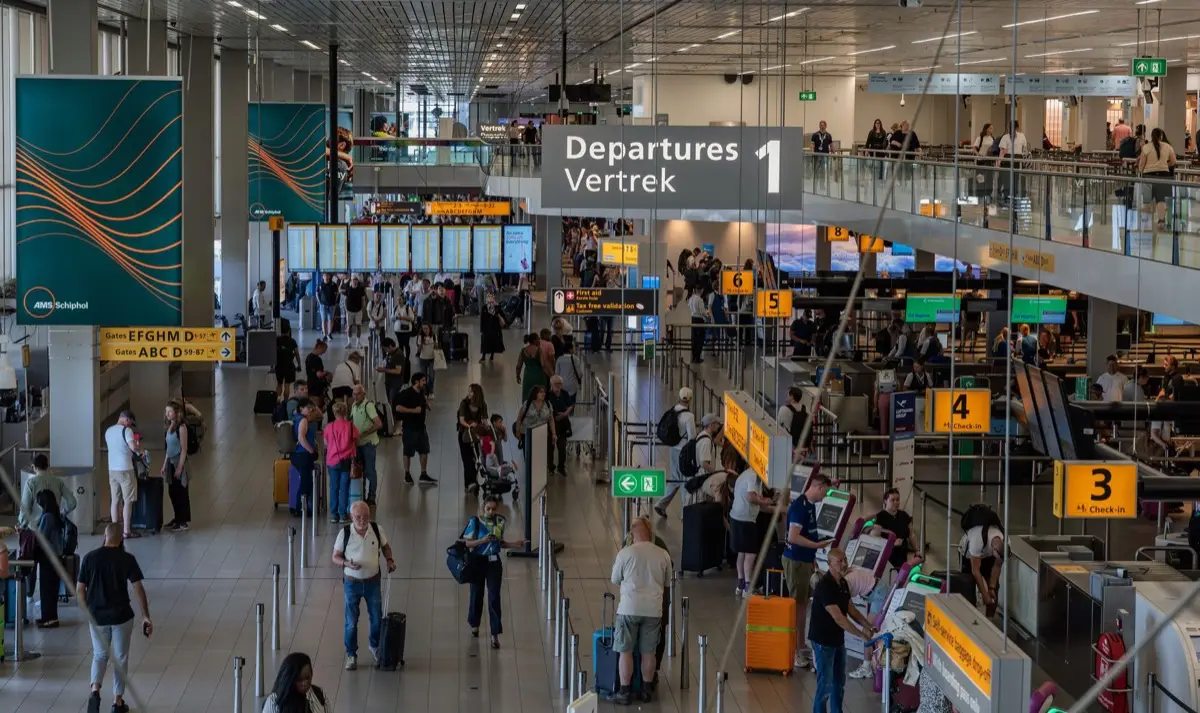
Aviation security in the Netherlands follows European standards focused on threats to aircraft. Routine hand luggage screening is not designed as broad drug enforcement, yet any suspicious organic material discovered during X ray or physical inspection is typically referred to airport police.
Security staff at Schiphol, Eindhoven, Rotterdam The Hague, and Maastricht Aachen airports do not apply smart shop tolerance logic at departure gates. A legally purchased sealed package can still lead to arrest, missed flights, and records that affect future visas.
Connecting passengers should remember that a second security screening in another EU state may occur even within Schengen when changing terminals for intercontinental flights or when carriers apply additional checks.
Schengen external borders and short stay compliance
Schengen border rules facilitate passport free movement inside the area, but external border checks still record entries and exits for third country nationals. Compliance with the ninety day rule in any one hundred eighty day period is separate from drug law yet can compound consequences if an arrest delays departure.
Our companion article on Schengen rules for psychedelic tourism compliance explains day counting, entry stamps, and how overstay penalties interact with future visits for retreat tourism. Drug offenses discovered at external borders may trigger entry bans under national immigration law even when the substance was purchased in Amsterdam.
Train travel to Brussels or Cologne before flying home still crosses into jurisdictions that do not share Dutch truffle retail tolerance. Land borders are not safer than airports for carrying controlled substances.
Import prohibitions in common destination countries
Germany, France, Belgium, the United Kingdom, and the United States maintain psilocybin schedules without a truffle tourism exception. Possession at the airport of arrival can be prosecuted regardless of where purchase occurred.
The EMCDDA country profiles illustrate how schedules diverge across member states despite single market harmonization in other sectors. Some travelers assume EU membership equalizes drug law; it does not.
A flight from Amsterdam to Barcelona or Rome still lands in a country where import and possession rules differ from Dutch practice. Returning to non EU homes adds another layer of border inspection, including preclearance zones where US officers operate at Schiphol for certain flights.
Postal forwarding, couriers, and shipped luggage
Sending truffles by post from the Netherlands to your home address is widely treated as export of a controlled substance. Parcel screening uses intelligence led searches and sniffer systems; commercial retreat areas are not invisible to postal inspection.
Courier services and luggage forwarding companies apply their own prohibited goods lists and may cooperate with authorities when discovering psychoactive material. Attempting to disguise truffles as food supplements or chocolate does not change chemical classification under the Opium Act published on wetten.overheid.nl.
If you shipped personal belongings ahead of the retreat, keep an inventory separate from any product that could be misclassified during customs examination abroad.
Recent consumption, behavior, and airport transit
Flying sober is the lowest risk approach. Recent psilocybin use before driving to the airport can still create traffic law exposure; review our guidance on impairment timing alongside retreat experience.
Airlines may refuse carriage to passengers who appear intoxicated or disruptive under conditions of carriage, even absent criminal possession. Medical emergencies mid flight may require disclosure of recent truffle use to clinicians; carry relevant information from contraindications if you have psychiatric or cardiac history.
Layovers in strict jurisdictions can expose you to transit detention if substances are discovered during a secondary search triggered by behavior or intelligence sharing between agencies.
Documentation facilitators provide and what to retain
Retreat invoices, consent forms, and facilitator contact details can help explain your purpose of travel if questioned, though they do not legalize carrying controlled substances. Keep boarding passes, insurance certificates, and prescription medicines in original labeled containers distinct from any prohibited items.
Written assurances from shops that truffles are legal to fly are not binding on customs authorities abroad. Facilitators cannot override customs or foreign prosecutors; oral promises that nobody checks bags are unreliable.
If police seize devices during an airport investigation, data privacy rules differ by country; seek local legal advice before consenting to searches beyond travel documents.
Airline contracts, denied boarding, and civil consequences
Conditions of carriage permit carriers to refuse passengers who appear unfit to fly or who endanger crew welfare. Intoxication visible at the gate can produce denied boarding without any criminal possession charge, leaving you to rearrange travel at your own expense.
Travel insurers often exclude claims arising from unlawful acts or undisclosed high risk activities. Detention that delays employment or family obligations may not be compensable even when medical costs are covered initially.
Criminal records from drug offenses can affect future visa applications, professional licenses, and custody disputes unrelated to psychedelics. The lowest practical risk path is to consume only in the Netherlands, purchase only what you will use there, and travel home without psychoactive products. Pair this guide with packing checklist for a Netherlands retreat when packing and with Schengen rules for psychedelic tourism compliance when planning Schengen length of stay around your retreat dates.
Preclearance, transit zones, and duty-free misconceptions
Some Amsterdam departures use United States preclearance, where US Customs and Border Protection officers examine travelers before boarding. Preclearance treats the inspection as if it occurred on US soil for immigration purposes, which raises stakes for any discovered controlled substance even when the traveler believed Dutch purchase was relevant only inside the Netherlands.
Duty-free shops at Schiphol sell alcohol and tobacco under excise exemptions that do not extend to psychoactive fungi products. Confusing sealed retail truffle packaging with duty-free merchandise is a common misunderstanding among first-time retreat guests who shop at airport newsstands after rural ceremonies.
Transit without entering the Schengen area, such as connecting through Istanbul or London without collecting bags, still exposes luggage to screening in the transit state. Read destination government advisories alongside EMCDDA national profiles before assuming a single airport stop defines which criminal law applies.
If airport police stop you: procedural basics
Airport police in the Netherlands may question travelers when security refers a bag or when behavioral cues trigger inspection. You generally must identify yourself and may be searched under Dutch criminal procedure when reasonable suspicion exists. Silence and legal counsel rights differ from those in the United States or United Kingdom; embassy contact is advisable for foreign nationals.
Cooperation with identity checks does not require volunteering information about retreat participation or truffle consumption history unless medically necessary. False statements to officers can create separate offenses that complicate otherwise minor possession cases.
Any seizure of truffles or related items may be documented in police databases shared with EU partners. Treat an airport stop as a criminal procedure event with potential immigration consequences, not as a shop dispute resolvable on the spot.
Summary
Flying home is a jurisdictional transition, not a continuation of retreat day legality. Dutch truffle tolerance does not authorize export or protect you from destination import law.
Airport security and customs can refer cases to police even when purchase was local. Plan sober transport, carry no leftovers, understand Schengen and import rules, and read Schengen rules for psychedelic tourism compliance alongside this article.
UNLOCK THE MIND. ELEVATE THE SELF.