



Shop menus list Tampanensis, Mexicana, Atlantis, and a parade of fantasy names implying predictable psilocybin milligrams. Laboratory reality is messier: overlapping ranges, moisture dependence, and scarce peer reviewed tables for commercial lines. This article summarizes what published science says about alkaloid content across common strains, where data gaps remain, and how to dose when certificates are absent.
Label decoding starts in how to read truffle packaging labels. Practical gram bands live in psilocybin dosage guidelines for magic truffles.
What analysts actually measure
HPLC and LC MS methods quantify psilocybin, psilocin, and sometimes baeocystin in homogenized tissue. Results may report percent dry weight or milligrams per gram dry matter. Fresh truffle numbers require moisture correction because water dilutes everything. A high fresh weight with average dry potency can still deliver moderate effects.
Species surveys catalogued through Psilocybe alkaloid research show tenfold spreads within single collections when habitat and age vary. Cultivation narrows but does not erase that spread.
Tampanensis and philosopher stone lineages
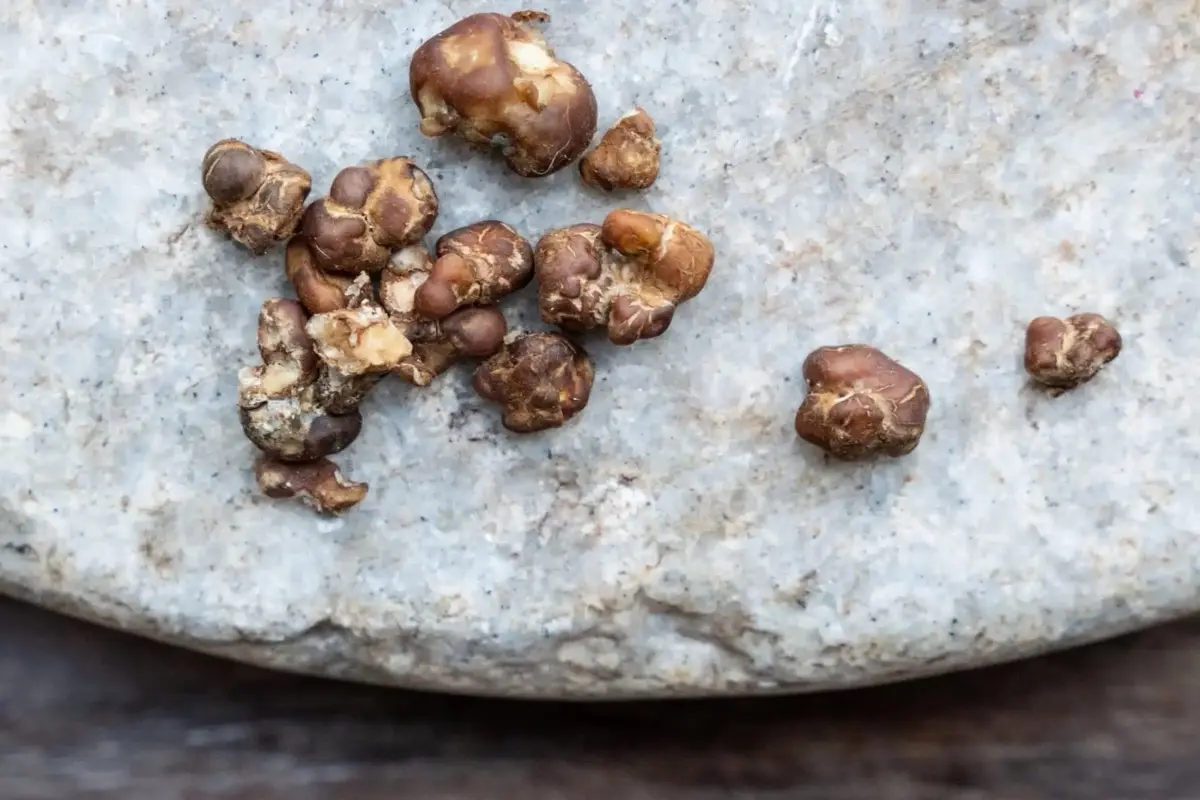
Psilocybe tampanensis type material came from Florida sand dunes. Dutch producers selected fast colonizing lines that form walnut sized sclerotia. Published dry weight psilocybin percentages for tampanensis sclerotia often cluster in the mid range compared with other shop strains, yet individual papers disagree on means.
Trade names like Atlantis or Galindo usually denote tampanensis derivatives. Without batch specific lab sheets, treat them as statistically similar rather than automatically stronger or weaker.
Mexicana and Jalisco heritage strains
Psilocybe mexicana history ties to Central American ceremonial use and mid twentieth century lab isolates. Sclerotia marketed as Mexicana or Jalisco Mexicana share species identity while differing in incubation recipes. Some analyses suggest mexicana sclerotia trend slightly milder per dry gram than aggressive tampanensis lines, but consumer reports contradict as often as they confirm.
Verify Latin names on MycoBank when blogs invent new binomials for marketing.
Atlantis, Hollandia, and blended branding
Retailers blend strain storytelling with color coded strength tiers. Atlantis commonly maps to selected tampanensis genetics bred for uniform truffle size. Hollandia and similar patriotic labels rarely link to peer reviewed vouchers. Potency follows incubation stress and harvest timing more than flag colors on stickers.
When two products share species and tier but differ in harvest week, chemistry can diverge despite identical branding.
Fruiting body data versus sclerotium data
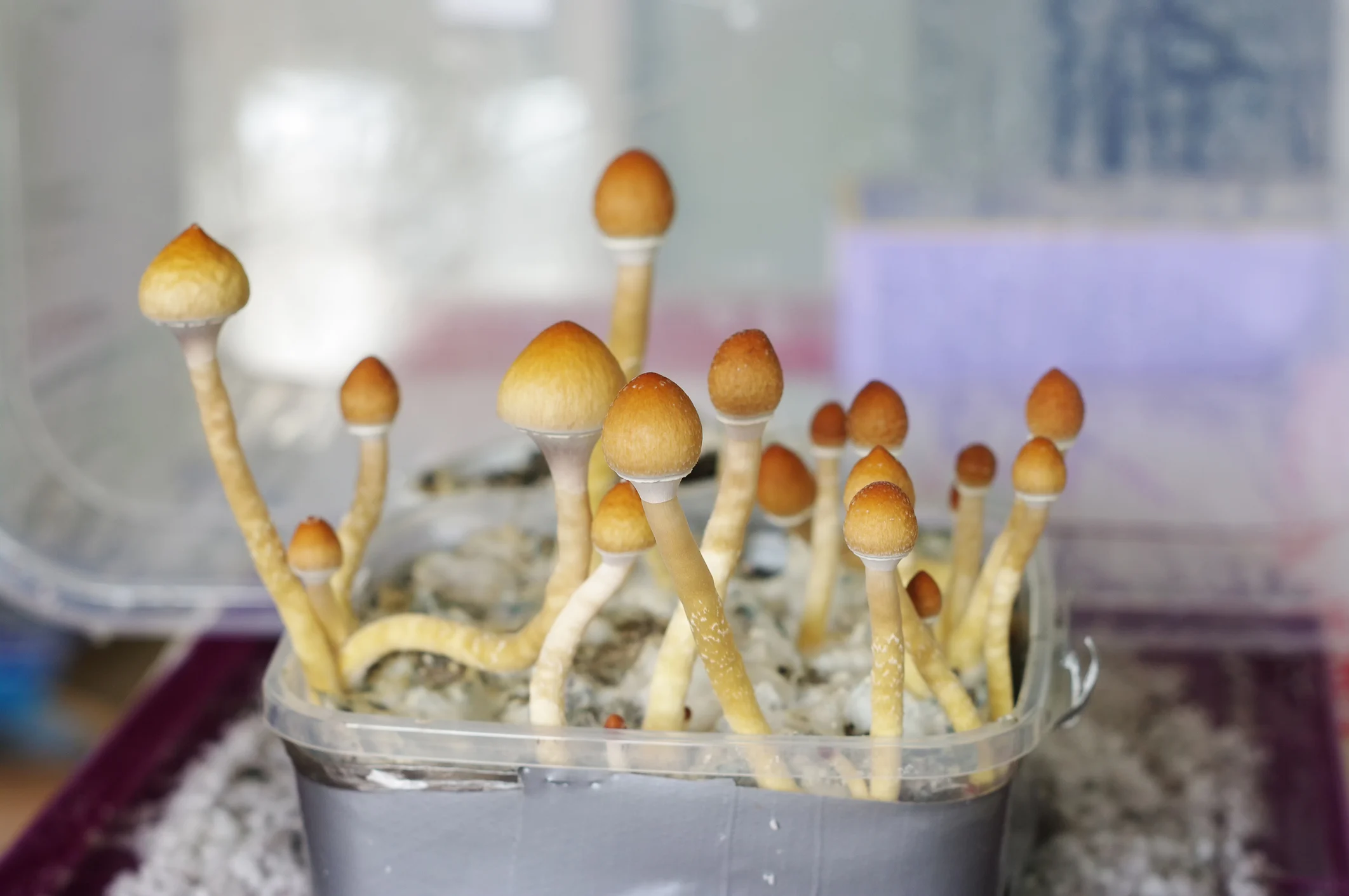
Most academic tables emphasize mushroom caps because academia studies fruiting morphology. Sclerotium specific numbers are fewer. Reviews aggregated in Psilocybe chemistry reviews caution against extrapolating cap percentages directly onto truffle grams without dry matter testing.
Agricultural fungal physiology research at Wageningen rarely targets psychedelic species, yet storage organ metabolism parallels suggest alkaloid distribution is tissue specific.
Why clinical trials avoid strain debates
Hospital programs synthesize psilocybin to decouple dose from fungal variance. Outcome data from Johns Hopkins psychedelics research therefore do not validate any smart shop strain claim. Retreat participants should not infer FDA adjacent precision from Dutch menu poetry.
Whole fungus experiences include matrix effects: fiber, teas, and lemon acid alter onset independent of alkaloid milligrams on paper.
Using guidelines when numbers are missing
Because retail rarely prints milligrams, dosage guidelines anchor on fresh gram tiers with explicit start low language. Adjust downward for dried product, low body weight, or serotonergic medications discussed in the NIH psilocybin overview.
Redosing same day remains discouraged regardless of strain bragging rights. Tolerance climbs quickly across psychedelic classes.
Future labelling trends
Some vendors now publish QR linked certificates for premium lines. Uptake is uneven and unregulated. Third party verification standards do not yet exist like organic food certifiers. Until then, photography of labels plus conservative dosing beats optimism.
Reading packaging fields alongside this strain survey closes the loop between marketing text and biological uncertainty.
Published numbers versus anecdote
Forum users rank strains from memory after mixed sessions with music, fasting, and cannabis. That is not chromatography. When a thread claims Atlantis is twice Mexicana, ask for dry weight corrected lab data tied to the same harvest week.
Peer reviewed means species, tissue, method, and statistic published together. Marketing means adjective selected in a meeting.
Baeocystin and lesser alkaloids
Some assays report baeocystin and norbaeocystin alongside psilocybin. Their contribution to subjective effects remains debated. Strain comparisons that list only psilocybin may omit co alkaloids that shift experience slightly.
Until retail publishes full profiles routinely, treat single number labels as incomplete.
Seasonal drift within one strain
Winter incubation rooms run drier air than summer unless humidifiers compensate. The same Atlantis line in January and July can diverge while the label icon stays identical.
Conservative dosing absorbs seasonal drift better than brand loyalty.
Cubensis benchmarks tourists misapply
Internet potency tables often cite dried Psilocybe cubensis caps because that species dominates illegal cultivation forums. Fresh truffle grams are not interchangeable with dried cubensis grams even after moisture math because tissue alkaloid distribution differs. Copying cubensis trip reports onto tampanensis pouches systematically over or under shoots dose.
When a shop menu ranks strains using internal stars, ask whether stars reference cubensis folklore or sclerotium assays. Often the former sneaks in through marketing interns.
Combining strains in one session
Some users mix leftover halves from two pouches to reach a target weight. Chemistry then blends unknown ratios from different harvest weeks. Facilitators discourage mixing because attribution after difficult hours becomes impossible. Stick to one batch code per session when transparency matters.
If mixing is unavoidable, photograph both labels and note order of consumption for any medical follow up.
Reading laboratory certificates critically
Certificates listing only psilocybin without sampling date or moisture correction are snapshots, not eternal truths. Ask whether the cited batch matches the pouch in your hand.
Third party labs differ in extraction solvents. Comparing certificates across companies requires methodological literacy most tourists lack.
Shop leaderboard psychology
Color coded strength menus sort products for browsing speed, not individualized medicine. A guest on SSRIs may find mild tier overwhelming while an experienced user finds extra strong underwhelming. Treat tiers as warehouse sorting labels.
Photograph the tier name beside the batch code so integration notes later reference printed text rather than memory of shop lighting.
Dry matter lab sampling methods
Laboratories homogenize tissue before HPLC, yet sampling point matters: outer rind versus core can diverge in sclerotia. A certificate from one corner of a kilogram bag may not represent the gram you eat without grinding the entire batch, which retailers never do for single pouches.
Moisture meters and home guessing
Some enthusiasts buy cheap moisture probes meant for wood, then apply them to truffle lumps with inconsistent electrode contact. Professional producers use gravimetric drying ovens. Tourist guesses about dryness rarely beat photographing batch codes and starting low on dose.
When strain debates distract from screening
Guests sometimes argue Atlantis versus Mexicana while omitting SSRI use or cardiac history from intake forms. Strain chemistry variance is smaller than many medication interactions. Medical screening outranks shop leaderboard psychology every time.
Conclusion
Tampanensis, Mexicana, and branded derivatives differ in genetics and cultivation history, yet published alkaloid ranges overlap too much for strain machismo. Moisture, harvest, and individual biology dominate subjective intensity. Rely on structured dosing, verify names scientifically, and treat shop leaderboards as sorting tools rather than guarantees.
UNLOCK THE MIND. ELEVATE THE SELF.