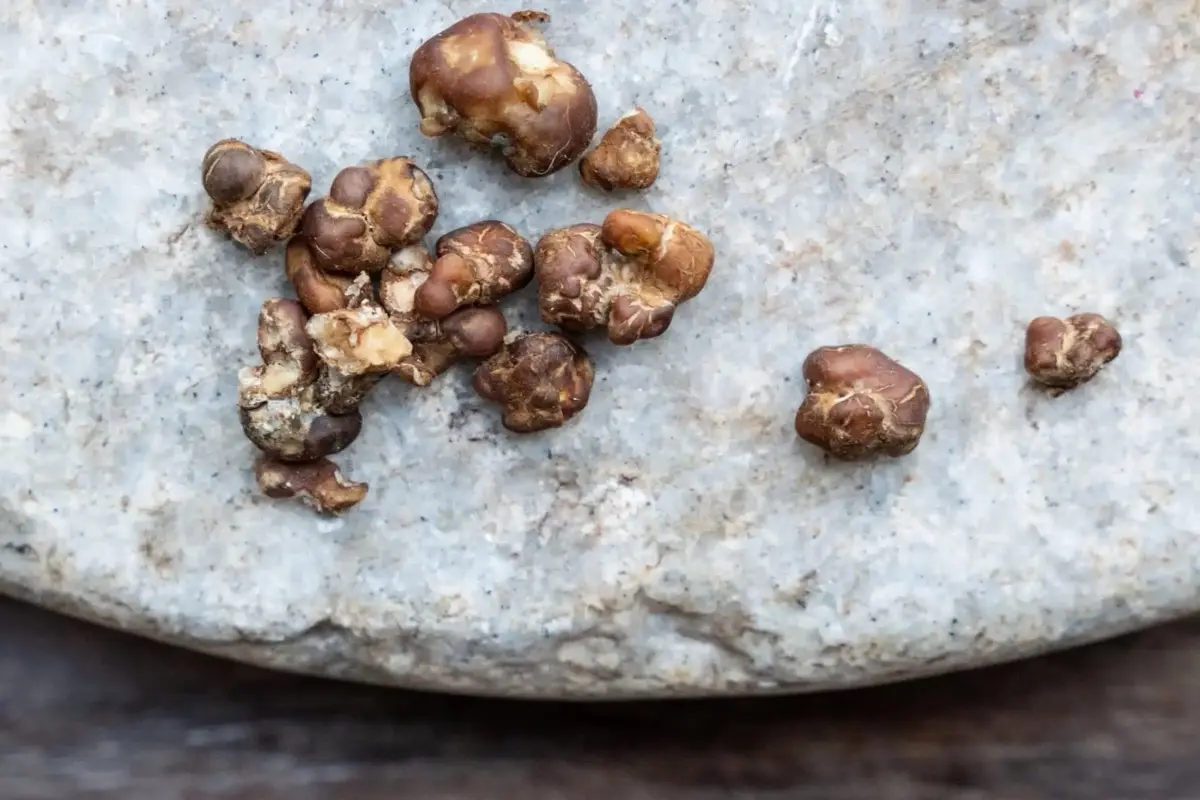



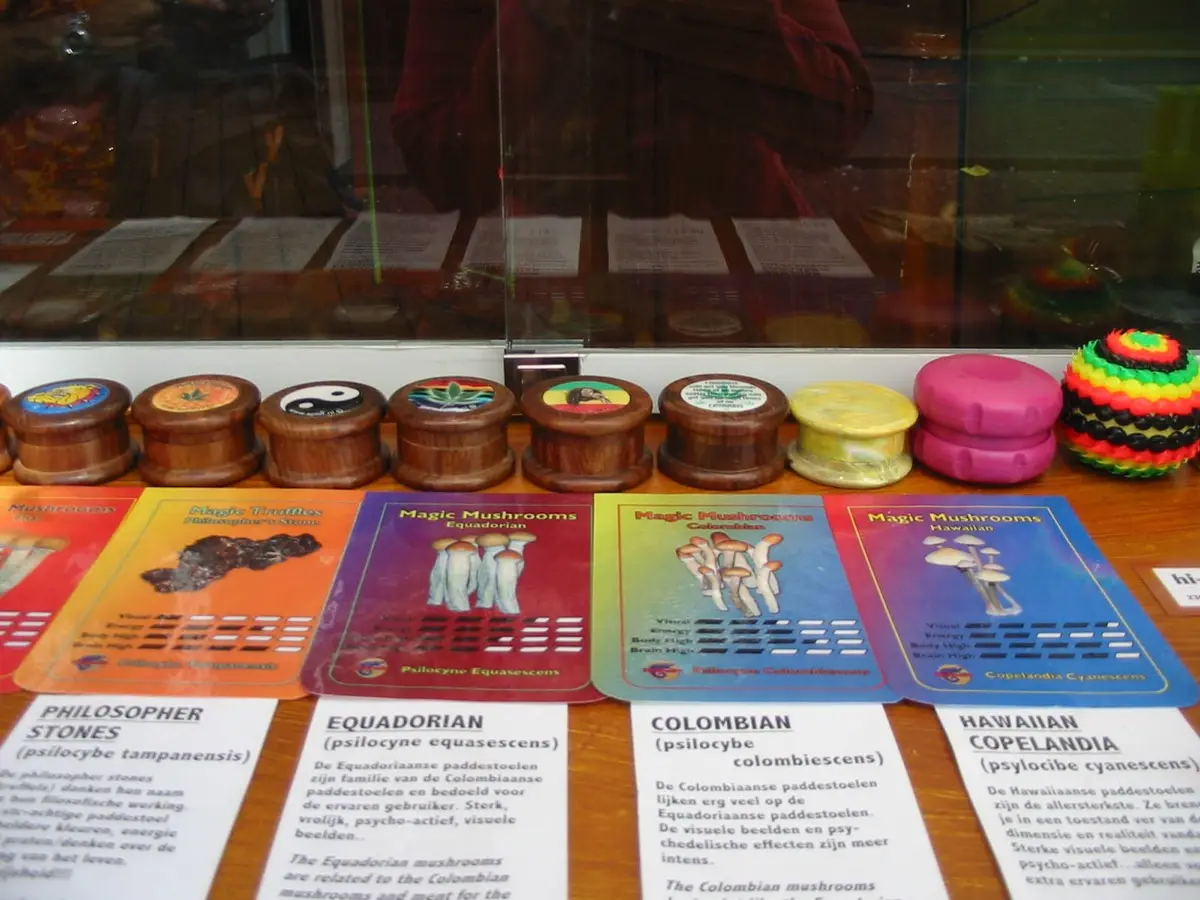

Dutch truffle pouches pack legal, tax, and pharmacological information into a few square centimeters of label space. Strain fantasy names, fresh gram weights, best before dates, and strength tiers each answer different questions, yet shoppers often read them as interchangeable potency promises. This article teaches how to parse packaging without treating marketing adjectives as laboratory certificates.
After reading labels, translate grams into practice using psilocybin dosage guidelines for magic truffles. Quantitative strain comparisons appear in the sibling article on psilocybin content by strain.
Mandatory fields you should always locate
Legitimate retail packs list vendor name and address, batch or lot code, pack date, net fresh weight in grams, and storage temperature advice. European consumer law expects allergen disclaimers even when truffles are single ingredient fungi. Missing vendor traceability is a red flag in licensed channels.
Photograph labels before opening so retreat facilitators can reference batch data if someone feels unwell later. Memory is unreliable; packaging ink is not.
Strain names versus species names
Atlantis, Hollandia, Valhalla, and similar words are trade strains, not independent species. Responsible labels also cite Psilocybe mexicana, Psilocybe tampanensis, or another accepted Latin name verifiable on MycoBank. When only a fantasy name appears, potency comparisons across brands become guesswork.
Retailers sometimes rotate strain branding while keeping substrate and incubation recipes stable. The label story may change faster than the biology inside the pouch.
Strength tiers and fresh gram bands
Many shops sort products into mild, strong, and extra strong categories mapped to fresh gram ranges. Those tiers summarize historical customer feedback and internal QC, not individualized medical dosing. A guest sensitive to serotonergic drugs may still find mild tiers overwhelming.
Structured dosage guidelines deliberately start conservative because tiers ignore body weight, SSRI co medication, and prior psychedelic tolerance. Treat tier names as coarse sorting, not prescriptions.
Best before dates and cold chain icons
Fresh sclerotia carry short shelf lives measured in weeks under refrigeration. Icons showing snowflakes or four degree Celsius reminders reinforce that room temperature storage accelerates spoilage. An expired date means discard, not heroic dosing to avoid waste.
Food safety thinking aligned with RIVM guidance applies: slime, ammonia scent, or pink mold means the package fails regardless of calendar date.
What labels omit by design
Retail packs rarely print milligrams of psilocybin per gram dry matter, full HPLC certificates, or moisture percentage. Producers treat those analyses as internal batch records. Consumers therefore cannot algebraically compare two brands unless both publish lab sheets voluntarily.
The sibling guide on strain level alkaloid data explains how published research fills part of that gap without replacing personal caution.
Multilingual tourist packaging
Airport district shops often add English, French, and German warnings on stickers while the statutory Dutch text remains authoritative for compliance. Read all languages present; contradictions should prompt questions before purchase.
Monitors such as the EMCDDA track psychedelic harms separately from alcohol. Label literacy supports harm reduction because many incidents begin with doubled doses after misreading foreign stickers.
Online orders and vacuum seal integrity
Mail order pouches should arrive cold with seals intact. Bulging bags suggest gas producing spoilage organisms. Compare received weight to printed net grams; large deficits may indicate dehydration in transit rather than vendor shorting.
Keep original packaging until the session ends so facilitators can reconcile symptoms with batch codes if medical help becomes necessary.
Medical context labels cannot supply
Packaging does not list psychiatric contraindications or drug interaction tables. The NIH psilocybin health summary remains the better reference for pharmacology and risk screening than any shop sticker.
Reviews summarized through Psilocybe chemistry literature confirm alkaloid variability even when labels are honest. Literacy plus humility beats brand loyalty.
Allergen and dietary statements
Single ingredient fungal products still trigger allergy questions. Labels may note possible trace gluten if facilities also process grain based substrates in shared airspace. Celiac guests should ask retreats whether truffles were rinsed and whether grain dust contaminated the batch.
Dietary vegan claims are usually accurate because sclerotia are fungal tissue, yet preparation may mix honey or dairy in retreat kitchens unrelated to packaging.
Tax stamps and age verification
Physical smart shops scan identification because Dutch policy treats psychoactive sales as age restricted commerce. Online orders include similar checks. Packaging therefore targets adults, not casual souvenir hunters.
Tourists who buy extra pouches for friends export legal risk even when labels are pristine.
QR codes and digital leaflets
Premium lines link to PDFs with cultivation stories or suggested playlists. Those marketing PDFs are not medical documents. Distinguish QR storytelling from laboratory certificates when both use scientific sounding fonts.
When QR links fail offline, rely on printed batch codes photographed at purchase.
Insurance, liability, and vendor disclaimers
Fine print on receipts may state that products are sold as novelty goods with no consumption advice. That language shifts responsibility to the buyer while still requiring age verification at checkout.
Retreat contracts should align with printed batch codes on the actual pouches used, not brochure strain art alone.
Numeric batch codes and silent recalls
Structured batch identifiers let wholesalers pull compromised humidity runs. Facilitators sometimes receive destroy notices for specific lots. Label photos enable compliance if a recall arrives after purchase.
Without recall infrastructure, smell and texture screening remains the last defense.
Comparing shop labels across cities
Amsterdam canal district packaging sometimes differs from warehouse direct mail even when the wholesaler matches. Font sizes, sticker languages, and optional QR codes vary by retail channel. Comparing two pouches side by side reveals whether strength tiers use the same gram bands or whether one shop redefines mild upward to appear competitive.
Photograph both labels when buying for a group so facilitators reconcile dose tiers with actual printed numbers rather than memory of a previous trip.
Net weight versus drained weight
Some jurisdictions require net weight of edible tissue after surface water drains. Truffles packed with extra rinse moisture weigh more without adding alkaloids. Gentle pat drying on a clean towel before weighing at retreats approximates what labels intend, though vendors rarely document that step for buyers.
Large discrepancies between scale and label after pat dry may indicate dehydration in transit or mislabeled batches worth returning before any session.
Retreat intake forms and label photos
Professional programs attach label photos to intake files alongside medical questionnaires. Batch codes help if a guest reports prolonged nausea or unexpected intensity relative to prior visits. The practice costs minutes at check in and prevents arguments about which strain was actually consumed.
Forms should ask about prior truffle brands and dates because tolerance and expectation shape reports as much as printed tier names.
Wholesale versus retail label variants
Direct warehouse shipments sometimes omit tourist sticker languages present in canal district shops. Facilitators should photograph whichever label arrives because batch codes may differ in font size while referring to the same incubation week.
Sticker overlays in tourist districts
Canal district shops sometimes place English strength stickers over Dutch statutory text. If the overlay contradicts the printed gram band, trust the underlying batch code and net weight, then ask staff which label governs compliance.
Conclusion
Truffle labels answer traceability, freshness, and coarse strength questions. They do not replace dosage frameworks, medical screening, or lab analytics in strain potency research. Photograph batches, respect dates, verify Latin names, and treat fantasy branding as shop poetry rather than precision science.
UNLOCK THE MIND. ELEVATE THE SELF.