



Legal Context and Safety Considerations
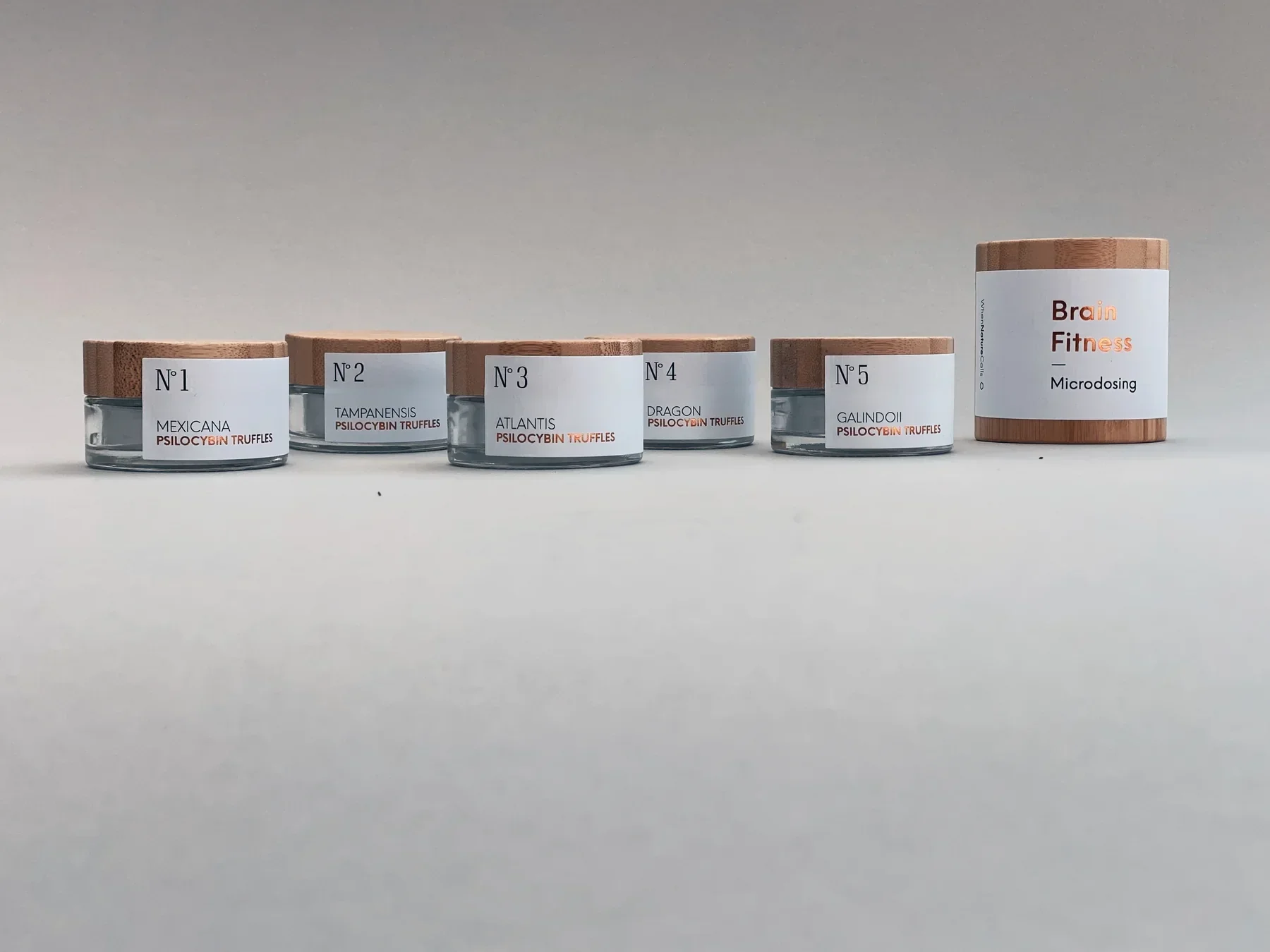
In the Netherlands, psilocybin is legally available in the form of magic truffles. Before engaging in any personal exploration, it is essential to inform yourself about and comply with the laws in your country of residence.
Questions about safety are common when it comes to psychedelic substances. We are often asked whether there are ways to approach psilocybin responsibly and with minimal risk. While psilocybin-containing fungi are not considered physically dangerous, they are psychoactive and can significantly influence perception, emotions, and decision-making. Education, preparation, and respect for the substance are therefore key to reducing potential risks.
Understanding what psilocybin is, and how it affects the mind, is the most effective way to approach it with clarity and confidence.
What Are Magic Mushrooms?
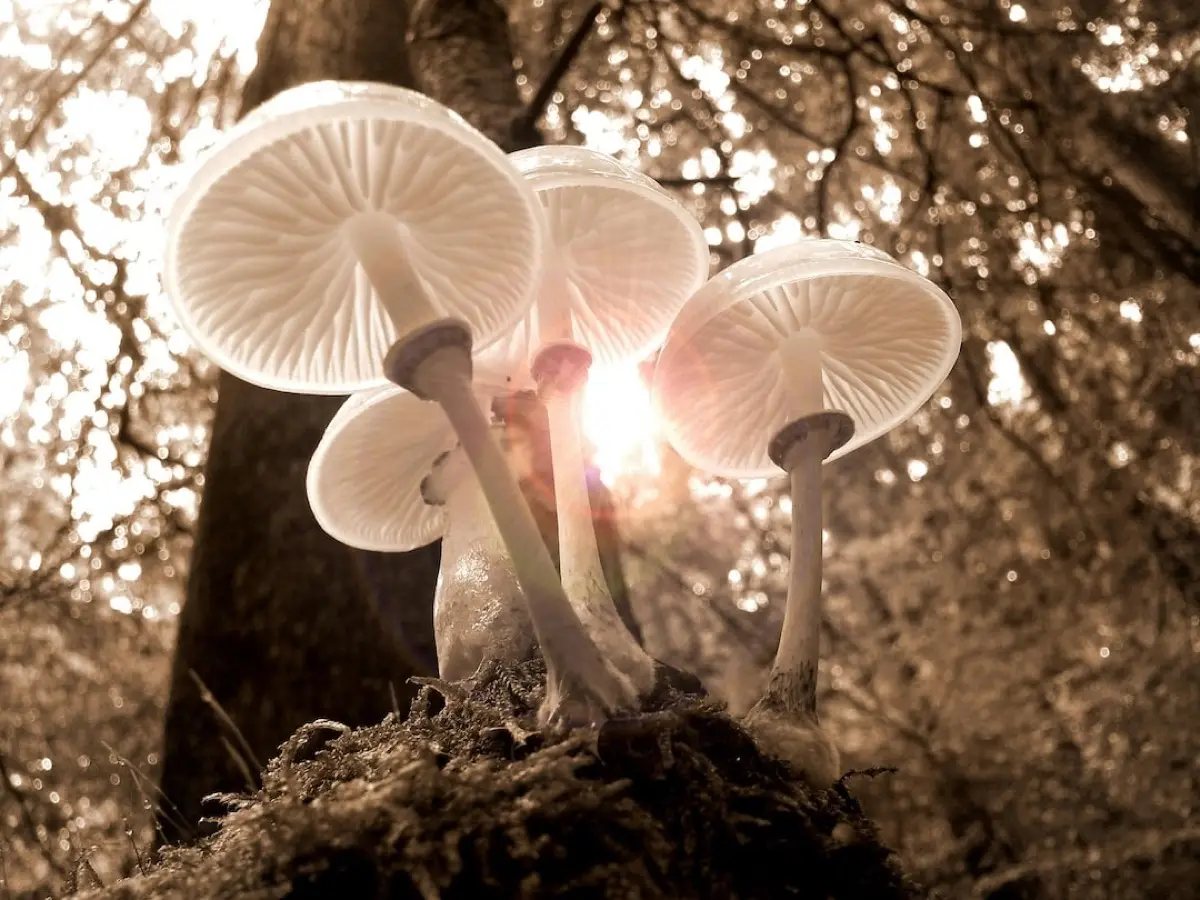
Magic mushrooms, also known as psilocybin mushrooms or psilocybes, are a group of fungi that naturally contain psilocybin. This compound has been used for centuries in ceremonial, spiritual, and ritual contexts across various cultures, as evidenced by archaeological and artistic findings in regions such as Central Europe and the Americas.
Once ingested, psilocybin is converted in the body into psilocin, which interacts with the central nervous system. This interaction can lead to altered sensory perception, shifts in mood, changes in the experience of time and space, and deep introspective states, effects that have long been associated with spiritual and consciousness-based practices.
How Can They Be Recognized?
Identifying magic mushrooms in the wild can be difficult and potentially dangerous. Many psilocybin-containing species closely resemble toxic mushrooms, making self-identification unreliable without expert knowledge. For this reason, consuming mushrooms collected in nature is strongly discouraged unless guided by a trained mycologist.
That said, some commonly known varieties share similar features: a slender stem, a bell-shaped or domed cap that may darken toward the top, and coloration ranging from light beige to brown or olive hues. Some species also display gills beneath the cap that release dark violet spores. Visual similarities alone, however, are never sufficient for safe identification.
Taste and Aroma
Magic mushrooms and truffles are not known for their culinary appeal. They typically have a bitter, earthy flavor and a slightly fibrous or rubbery texture. Their scent is often compared to damp soil or dried forest mushrooms.
To make consumption more palatable, they are commonly prepared in ways that reduce their taste and smell, such as brewing them into an infusion or combining them with food or fruit-based liquids. These methods are intended purely for comfort, not to alter their effects.
Preparing Psilocybin Mushrooms and Truffles
Consuming psilocybin-containing mushrooms or truffles requires careful preparation and informed decision-making to reduce the risk of unwanted physical or psychological effects. Seeking guidance from experienced professionals or reliable educational sources is strongly recommended.
One of the most important considerations is dosage. Psilocybin concentration can vary significantly depending on the species, growing conditions, and form (mushroom or truffle). For this reason, only well-identified and previously documented varieties should be considered. Precise dosing helps avoid overwhelming experiences and unnecessary discomfort.
Before consumption, mushrooms or truffles should be gently rinsed with cold water to remove any residual soil or impurities. They may be consumed in their natural state or prepared in various ways, depending on individual tolerance and comfort, provided their integrity is preserved.
Understanding the Effects of Magic Mushrooms
A clear understanding of psilocybin’s effects is essential for a responsible approach. Whether taken as mushrooms or truffles, psilocybin induces a psychedelic state by interacting with serotonin receptors in the brain.
The experience can vary widely from one person to another and is influenced by mental state, emotional readiness, environment, and intention. Commonly reported effects include visual and auditory distortions, heightened emotional sensitivity, intensified thought processes, and a profound alteration in the perception of time and space.
Many individuals describe the experience as deeply introspective, sometimes accompanied by vivid imagery and symbolic insights. Following the experience, some report increased self-awareness, emotional clarity, or a renewed sense of connection with others and the natural world.
However, psilocybin can also provoke challenging moments, including anxiety, confusion, or feelings of unease. These effects are typically temporary and, with moderate doses, tend to subside within approximately five to six hours.
For this reason, psilocybin should only be approached in a calm, secure environment, ideally with trusted individuals present or under the supervision of trained facilitators.
Common Methods of Consumption
Psilocybin mushrooms and truffles can be consumed in several ways, each offering a slightly different onset and sensory experience. The chosen method generally depends on personal preferences, digestive sensitivity, and the desired pacing of effects. Regardless of the method, preparation, setting, and respect for personal limits remain essential.
Methods of Consuming Psilocybin Truffles and Mushrooms
When approaching psilocybin consumption, whether through magic truffles or mushrooms, the method of ingestion can influence both the intensity of the experience and the comfort of the process. Below is a structured overview of commonly used methods, emphasizing safety, harm reduction, and practical guidance.
- Eating Raw or Cooked
- Consuming in Beverages
- Psilocybin Tea: A traditional approach is to steep truffles or mushrooms in hot water (around 70°C / 158°F) for 15, 20 minutes. Adding flavors such as ginger, honey, or herbs can improve taste while leaving psilocybin largely intact.
- Lemon Tek: This method involves soaking mushrooms in lemon or other citrus juice for 20, 30 minutes. The acid begins to break down psilocybin molecules, often resulting in faster onset and a slightly more intense experience.
- Liquid Psilocybin Extracts
- Edibles and Infused Sweets
- Chocolates: Infusing melted chocolate with truffle extracts or finely chopped mushrooms creates a palatable and comforting option.
- Baked Goods: Recipes for brownies, cookies, or tiramisu allow for careful dosing while offering a familiar culinary experience.
- Mixing with Other Substances
- Alcohol: May increase nausea, vomiting, or dehydration.
- Stimulants (e.g., MDMA, cocaine): Can raise blood pressure or trigger seizures.
- Antidepressants:
- Selective serotonin reuptake inhibitors (SSRIs) like fluoxetine may reduce psilocybin’s effects.
- Monoamine oxidase inhibitors (MAOIs) can amplify effects, sometimes leading to intense or psychotic experiences.
- Mixing with Food
- Heavy or greasy foods (e.g., burgers, pizza, fries) may reduce psilocybin absorption if eaten within a few hours prior.
- Light, healthy meals are recommended for at least 3, 4 hours before the experience.
- Grapefruit (fruit or juice) can amplify psilocybin effects unpredictably and should be avoided in the days surrounding the experience, similar to its interactions with certain medications.
- When to Avoid Psilocybin
- Pregnancy or breastfeeding: Effects on the fetus or infant are unknown.
- Medical conditions or medications: Seek professional advice if you have depression, heart or kidney issues, high blood pressure, or are on chronic medications.
- Mental health risks: Personal or family history of schizophrenia, bipolar disorder, or dissociative disorders; susceptibility to anxiety or paranoia.
- Unsuitable environment: Being with untrustworthy people, feeling stressed, or extreme fatigue.
- Impairment concerns: Avoid if you need to drive or perform tasks requiring full alertness afterward.
- Timing: Nighttime consumption may increase the risk of distressing experiences; daytime is generally safer.
- Frequency of Use
- One or two doses may be sufficient for reflection, self-exploration, or therapeutic purposes.
- A conservative approach is recommended, with at least 4, 6 months between experiences to reduce tolerance and maintain safety.
- Addiction and Dependence
- Legal Status
- United States: Federal law prohibits psilocybin mushrooms, but certain states (Oregon, Colorado, California) allow regulated medical or recreational use.
- Netherlands: Magic mushrooms are prohibited, but truffles are legal.
- Germany, Belgium, Russia, Switzerland: Both mushrooms and truffles are illegal for sale, possession, or consumption.
- France: Completely prohibited, including collection.
- Spain: Cultivation and personal possession are legal; sale is prohibited.
- What to Do in an Emergency
- Stay calm. Your reassurance can help reduce panic.
- Hydrate and monitor the person closely.
- Call emergency services or a doctor immediately.
- Provide a sample of the consumed mushrooms or truffles to healthcare professionals if available.
- First-Time Use
- Choose a safe, quiet environment with sober, supportive friends or trained professionals.
- Avoid pressure or social mimicry; your experience should be self-directed.
- Rest well and have a light, non-alcoholic meal 1, 2 hours before consumption.
- Start with a small dose, which is generally better tolerated and easier to manage.
- Potential Risks
- When used responsibly, psilocybin can offer profound and positive experiences.
- Risks include psychotic states, panic, or reckless behavior, particularly with high doses or unsafe environments.
- Supervised retreats with trained staff and quality products reduce risk and enhance safety.
- Direct toxicity is extremely rare.
- Most dangers arise from accidents or risky behaviors under the influence, such as driving or climbing.
- Smoking mushrooms is ineffective and may irritate the respiratory tract.
- Using mushrooms on consecutive days can cause unpredictable effects and tolerance.
- Common Questions
- Does orange juice enhance a trip? Current evidence does not support claims that orange juice increases psilocybin effects.
- Should I eat before taking mushrooms? Light meals are recommended. Heavy or greasy food can slow absorption and reduce effects.
- How much should I take?
- First-time users:5, 1.5 grams of dried mushrooms.
- Experienced users: Up to 3.5 grams, ideally with a trusted companion present.
- Individual tolerance, body weight, and previous psychedelic experience should guide dosing.
- Harm Reduction Tips
- Start low, go slow, small doses help gauge sensitivity.
- Safe environment, calm, familiar space with sober supervision.
- Stay hydrated and nourished, avoid alcohol and heavy meals.
- Avoid risky substances, alcohol, stimulants, or certain medications.
- Plan logistics, ensure no driving or high-risk activities afterward.
- Respect recovery time, allow several months between experiences to reduce tolerance.